‘Every singer asks for a chance’: Sindhu Vasudevan on Rahman, Ravaan, and moving to India
Indian-American vocalist Sindhu Vasudevan on Ravaan, her step into Tamil films, Thursdays with Thatha, and her plans to move to India.
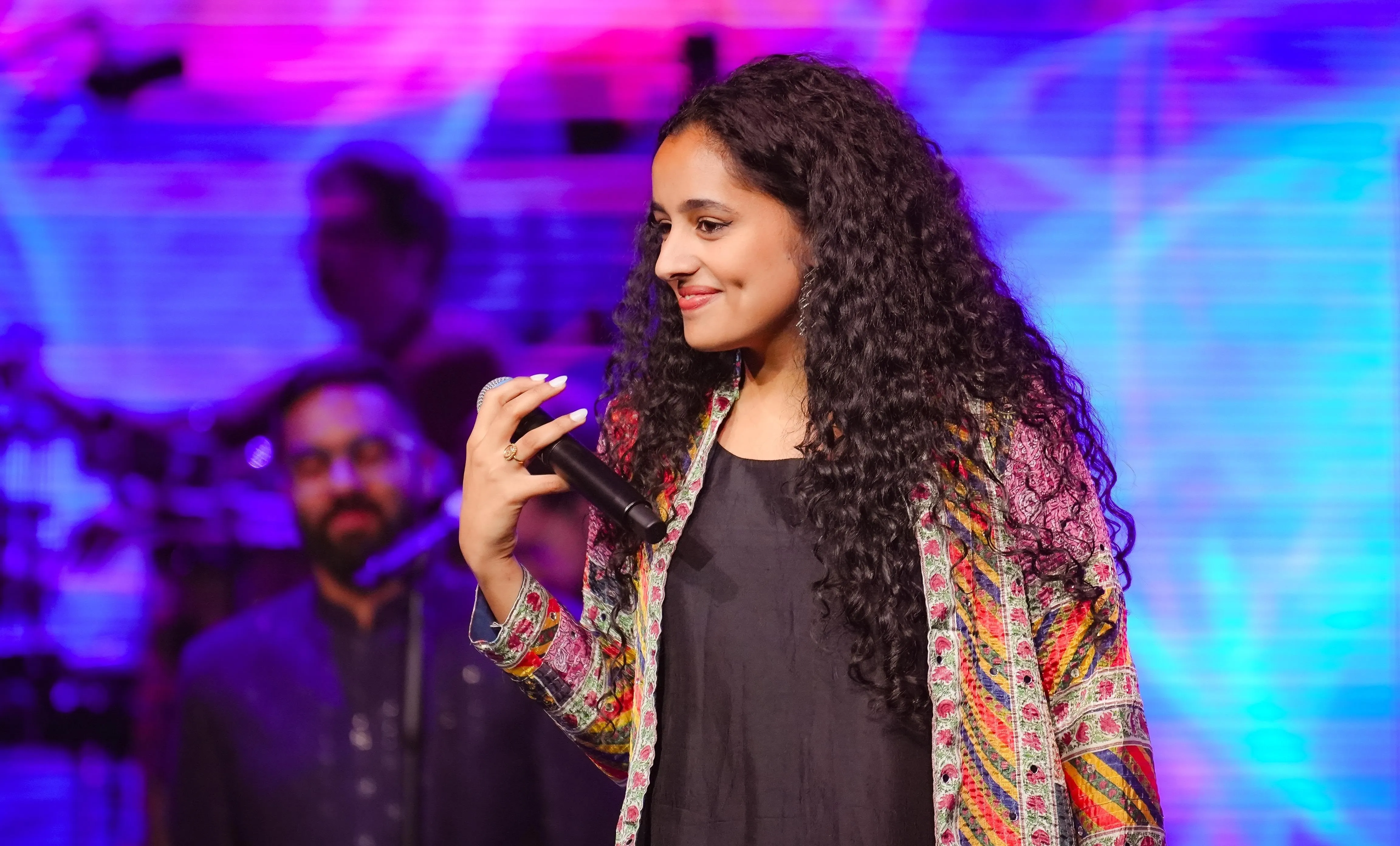
Three years ago, Sindhu Vasudevan was studying public health and headed for medical school. Music had other plans. Today the Austin-based vocalist is a lead voice of the Grammy-nominated Berklee Indian Ensemble, runs a viral Carnatic series with her 91-year-old grandfather, and has just stepped into Tamil film playback. We met her in Chennai during a recordings-and-promotions swing for her debut album Ravaan.
Please give us a brief introduction about yourself.
I have trained in Carnatic music from a very young age, and a little later started training in Hindustani music as well. I am a Bharatanatyam dancer too, learning since I was about five. Last year, I released my debut album Ravaan, which sits in the Ghazal, Sufi, and Qawwali space. I am also stepping into films now. I have recorded for several films which are still pending release because of the Covid backlog, but they should come out over the next year or two. Alongside that, I am working on many independent music projects.
Tell us about Ravaan.
The name Ravaan means “one which flows.” The concept is that an artist’s journey is constantly evolving, and this album is a snapshot of my artistic fluidity at this particular point. That is the intention behind it.
Where did you train in classical arts? In the US?
I started learning in the US. As I got older and moved into more advanced lessons, I started learning from teachers who live in Chennai. So every time I come to India, I visit them, stay with them, and learn. Both my Bharatanatyam and Carnatic music teachers are based here.
Tell us a little about your family’s musical background.
My grandfather is an untrained musician, but a wonderful one. My mother also sings, but she went into the corporate world and never pursued it professionally. She works in IT, specifically in marketing technology. My dad is in renewable energy, and he plays a lot of percussion instruments like the Chenda, Thimila, and Mridangam, so there has been a lot of that influence growing up. My dad’s mother is a Veena artist. So music has come from both sides of the family.
Do you have any siblings?
I have an older brother who also sings. When he went to music classes, I tagged along. Being the younger sibling, I just copied everything he did, and that’s how I got into music. My parents realised I had an interest, so they put me in classes too.
What did you study?
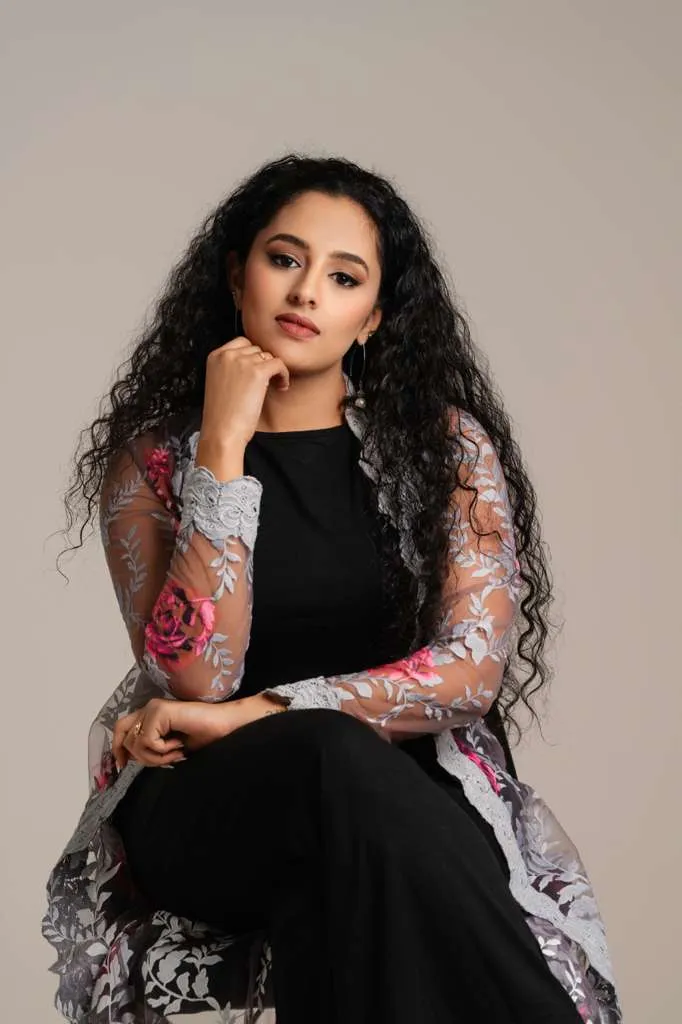
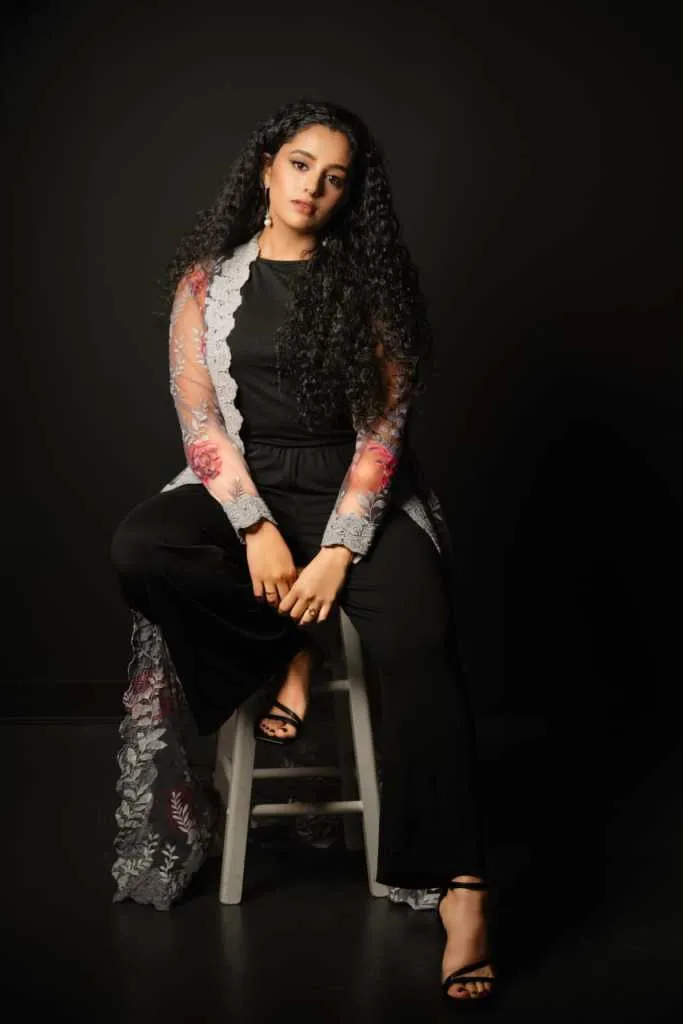
I studied public health. I was looking to get into medicine, and I genuinely thought I would be a doctor my whole life. It was only in my final year, two or three years ago, that I took a pivot and decided to give music a serious shot. So I never formally studied music, and for a long time I didn’t even think I would be a musician.
Is there a specific destination you want to reach in music, someone you want to become like?
Honestly, I don’t have a specific destination. I just want to explore. My biggest goal is for my music to touch people around the world. I don’t have goals like wanting to become a particular person. Bombay Jayashri has been an inspiration in this sense: anytime someone thinks of her music, it feels healing and therapeutic. I want people to think of my music in that same way. I don’t have that goal where I feel that if I work with a certain person, I have made it. My philosophy is very different. I want to keep growing, learning, experimenting, and exploring other forms of music. There isn’t a final destination as such.
Tell us about Thursdays with Thatha.
It is an ongoing project with my grandfather, who is 91 now. He is an untrained musician, but I have always been close to him because of music. In his own home growing up, they didn’t allow him to sing or learn. So this is the first time he is getting to sing on a stage and on social media. The series started a few years ago. I went to his house, casually sang something, and recorded it on my phone. He didn’t even know I was recording at the time. It became a viral series on YouTube. Now he is very comfortable in front of the camera and enjoys it. We have taken the concept live as well, and have done a couple of shows together called Ragas and World Music, which brought in different forms of music all linked by raga.
You have been doing independent albums. Do you have a desire to sing in cinema?
I definitely do. During Covid, a few people approached me, and I recorded my vocals from the US and sent them across. Those films should release this year because of the backlog. I am also doing fresh recordings on this current trip. In Tamil, I have worked with Sean Roldan sir, Imman sir, and the younger composer Manoj Krishna. In Bombay, I am working with Salim-Sulaiman and Shankar Mahadevan. I don’t restrict myself to singing only in Tamil. My current focus is Tamil and Hindi, but I am open to other languages.
Have you been meeting music directors locally on this trip?
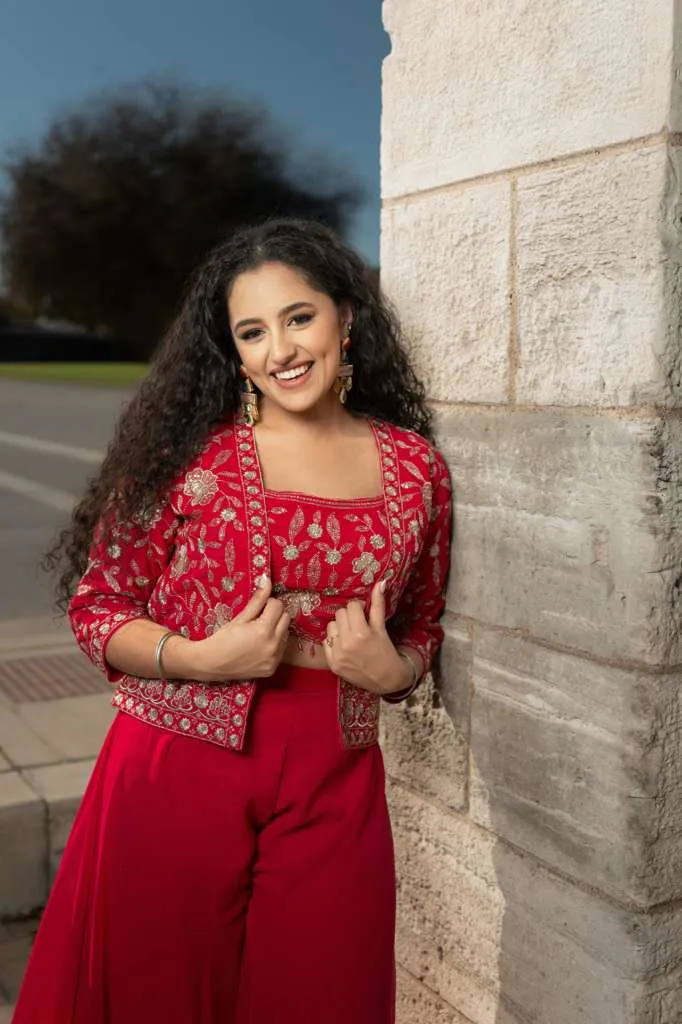
Yes, I have just started doing that. I recently recorded a song for a film with Imman sir. Interestingly, he sent me a message two or three years ago saying he liked my singing and asked me to let him know when I was in India. I haven’t met him in person yet, only on Zoom from the US. He is currently on tour, so the timing didn’t work out on this trip either, but hopefully soon. The song I recorded for him is a solo female track, and I recorded it from my home studio.
Which will be your first Tamil film song to release?
Imman sir’s song should come out first, in a few months. But I want to be honest: I have just stepped into films. So far I have mostly focused on performing, on honing my voice, and on original music. This is just the start of my film career.
What kind of songs are you singing for films? Romantic? Melodies?
So far, all melodies. People do DM me asking if I would sing an item song, and I am open to that too. Versatility is very important for an artist. I think I will be recording a few more songs this year that are not just melodies.
You have met AR Rahman a couple of times. Did you ever ask him for a chance?
Every singer asks for a chance! I met him last year in Houston, when he was in the US for shows. I was involved in the funding for the Tamil Chair at Harvard, so I met him through that circuit. Honestly, when I met him, I didn’t know what to say. I forgot all my English that day. I just told him I was a singer and would love to sing for him one day. He told me to send him my work and said we could try to do something. But these composers meet so many people. It is very difficult to stay top of mind if you are not in front of them. He has to feel that he specifically wants my voice. Only then will he bring me in. So I am still looking for that golden opportunity.
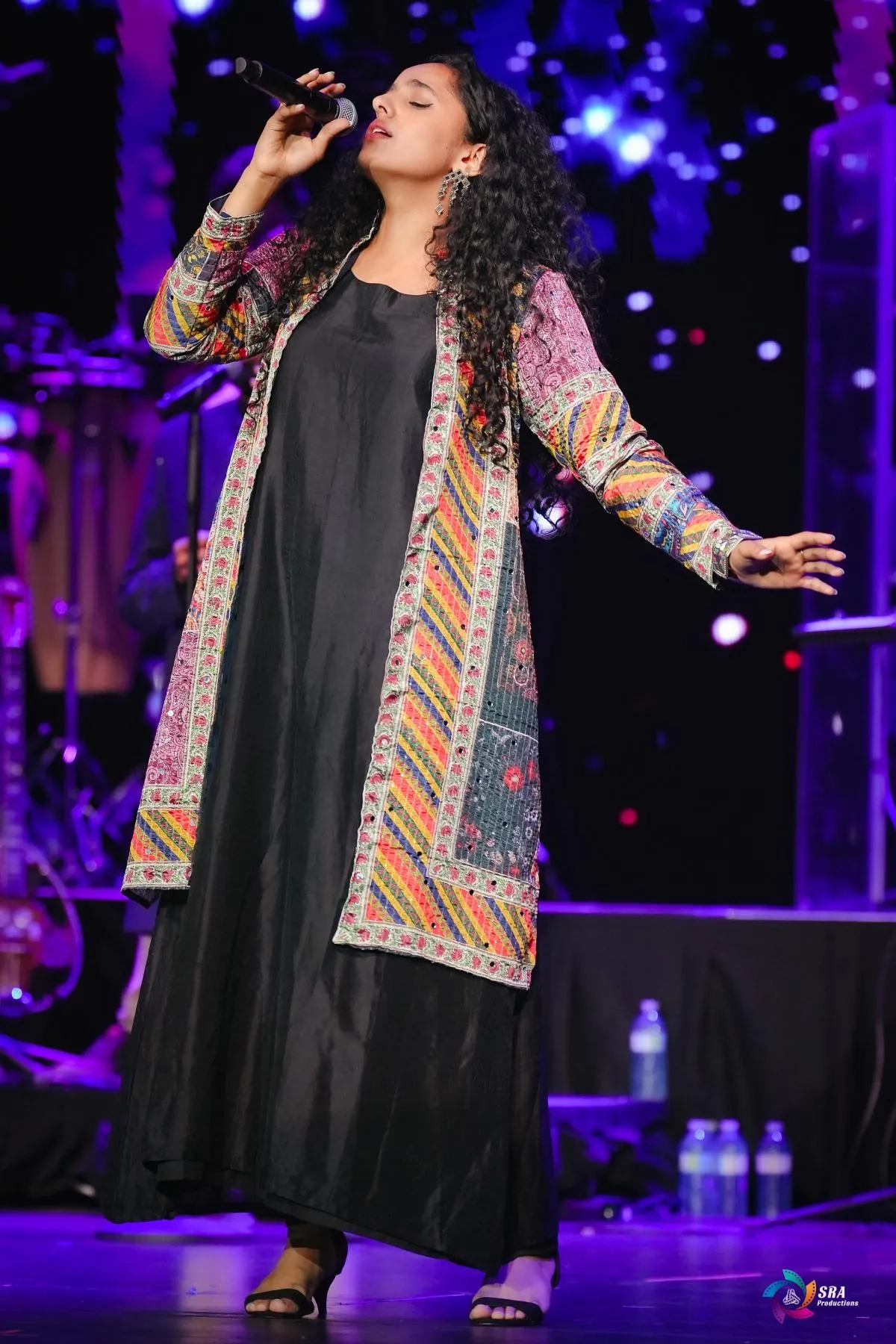
You sing in 16 languages. What are they, and how do you actually manage all of them?
The 16 are Tamil, Hindi, Malayalam, Kannada, Telugu, Marathi, Bengali, Punjabi, Rajasthani, Odia, Spanish, English, French, German, and Portuguese. I think I am missing one in my count, but yes, 16 in total.
I don’t actually know all 16. The languages I really know are Tamil, Kannada, a little Malayalam, Hindi, English, and a bit of Spanish. For the rest, I usually listen to the track and write down the lyrics phonetically in English. My parents helped me a lot with pronunciation when I was young. They speak many languages and were very particular about variations in sounds like na and la. Now I just listen sonically and write it down based on how it sounds. I don’t think I do anything especially clever beyond that.
Independent music as a category is much more developed in the US than here. Where do you think your music will land better?
Independent music is very developed in the US, but Indian independent music is not. It has actually developed more here in India. Artists from the US usually come to India to grow their music. My niche is Indian music. I do sing in English, but that is not my main focus. Most of my social media following is in India. My ultimate goal is to eventually move to India and work here.
Sitting in the US and getting opportunities here is difficult, especially for someone whose music is rooted in Tamil, Malayalam, and Indian forms.
It is not necessarily a challenge if you can travel enough. If you can split your time between the US and India, it is workable. But yes, being physically here is helpful, especially because directors need to see you. Composers see so many singers that it becomes a case of out of sight, out of mind. If they don’t see you regularly, they naturally forget about you. So being here is very useful. You are constantly in front of them, performing, working with them. You definitely get more work being here.
So when are you planning to move here completely?
I do want to move here eventually. That is the goal. It will not happen in the next three months, but maybe in the next year or year and a half.
In the US, there is a proper channel and structure: agents, schedules, calendars. India is far less structured. How do you handle that?
It is definitely a challenge. I am a very Type A person. I put everything in my Google Calendar and plan it all out. That will not happen here, not in a million years. That was something I really struggled to adjust to initially.
But here, once something starts, things move very quickly. I would record three songs and tell them I’d be back next week. One project leads to another, and that is the pro of working in India. I don’t think either system is better, just different. Coming from the US, my mindset had to change. Here you have to constantly follow up. If we send a message to set a date, they will say okay, but on the day itself they may say they have another commitment. In the US, if you set a date, everyone shows up at that exact date and time. That is just a difference in working culture, and now I think I am used to it. But it took me a few years.
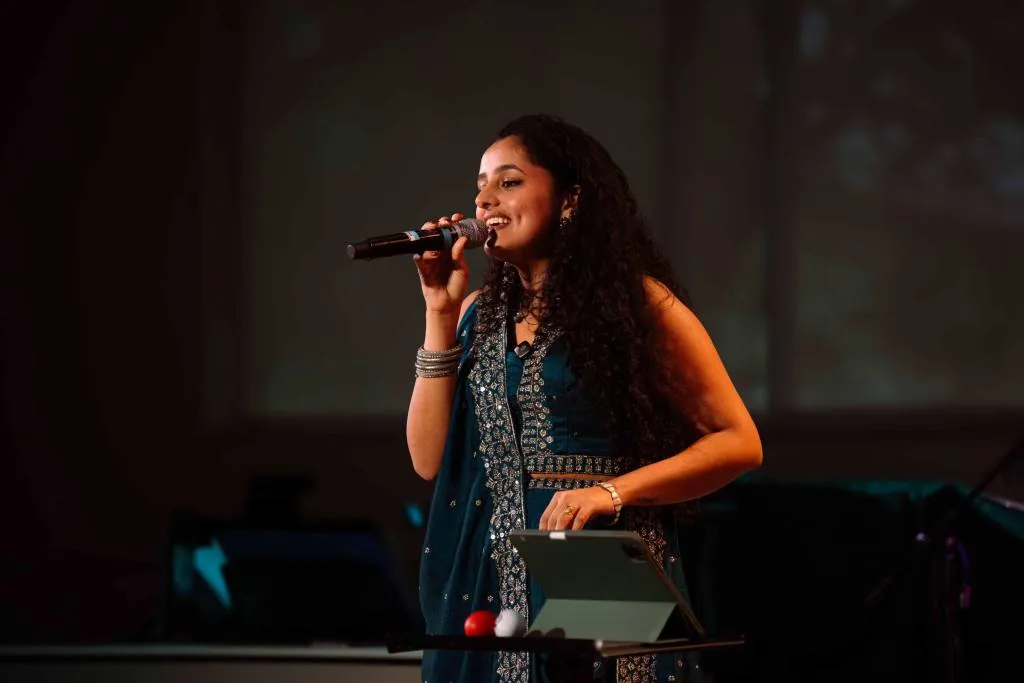
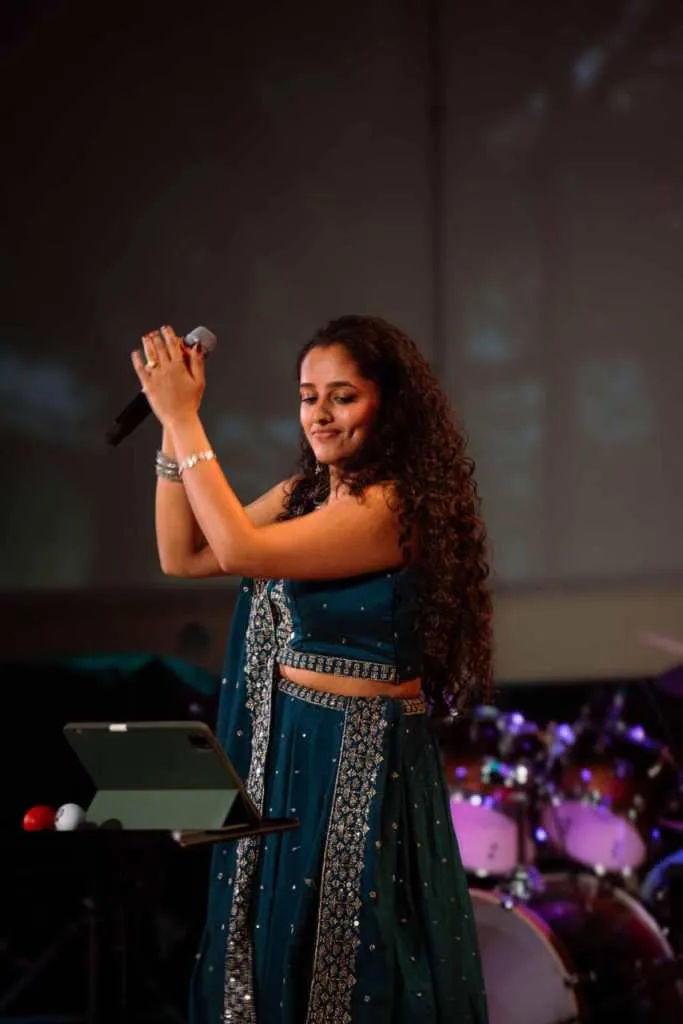
Films now have music composers themselves singing the songs. Opportunities for traditional playback singers seem to be shrinking. What is your view on that?
You are right, and I think that is partly why so much original music is coming forward now. The expectations from a singer have completely changed. You also have to learn production, mixing, and even AI now. None of that was part of the job before. I am not saying it is good or bad, just different. It does challenge you to bring on a whole new skill set, and creating original music challenges you in a new way. Opportunities in the US and India are also very different. There is a lot of opportunity in the US for live commercial shows, for instance.
Reality shows give you exposure very quickly compared to working as a playback singer. Have you been on one?
Yes. When I was around seven, I was on Super Singer. At that age, I didn’t really understand what music was, let alone reality television. The first three or four rounds were online auditions, and my mom would wake me up at three or four in the morning to sing for them.
Reality shows are also fully scripted. They cue you on when to smile, when to cry, when to act surprised. It is a controlled environment.
That is true. The reach is great, but it is reality television in name only. Even at that young age, they branded me as the Indian-American girl who didn’t know Tamil and didn’t know the culture. In reality, my parents were very strict about us learning and speaking Tamil from a young age. By five or six, I could converse normally. But they build a storyline for everyone, and that was difficult for me as a child. I knew our culture, I saw what my mother did at home, and I didn’t really like having to put on a drama for the show. Back then I just kept quiet and did what I was told. Now that I am older, I understand how the industry works, but I still find that part odd. The exposure is undeniably good. Whatever you do on television does reach people. But it is a different kind of struggle.
Your facial features have a Nithya Menen-like quality, and several heroines like Mamta Mohandas, Shruti Haasan, and Andrea sing too. Don’t you have an interest in acting?
So far, I have been approached for some small films, but I have not really pursued it. I already have plenty to do with music and dance. If I give time to acting, I won’t have time for what I am doing now. I am not closed off to the idea, though. If a real opportunity comes, I will consider it then.
As for the Nithya Menen comparison, people say this in every interview. I think it is just because my hair is curly. I have Kerala roots, so the hair is curly. I don’t think there is much more to it.
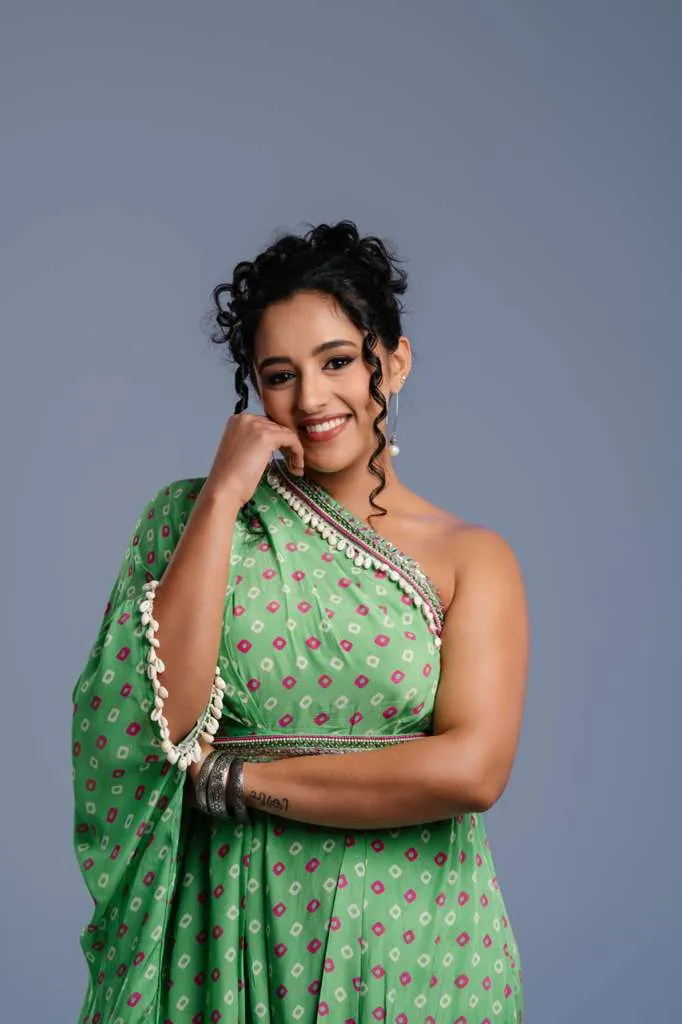
Your Tamil is fluent, and your English doesn’t carry a heavy American accent. Is that conscious?
When I was younger, I used to struggle a little with code-switching. But it is not conscious anymore. Since I don’t hear you speaking to me in an American accent, naturally I speak in an Indian accent when I am here. If I am with my friends back home, the American accent comes back on its own.
Have you been listening to recent Tamil music? Any current favourites?
I really like Jonita Gandhi. She is so versatile and sings such different kinds of songs. Sai Abhyankar, needless to say, everyone likes his work. Shreya Ghoshal is also an inspiration. So if we are talking about the newest Tamil songs, Sai Abhyankar and Jonita Gandhi for sure.
Who is your main musical inspiration? Will you sing something for us?
Bombay Jayashri, and Shreya Ghoshal. Okay, I will sing an AR Rahman song that you will all know.
[Sindhu sang a rendition of Enna Solla Pogirai for the room.]
Sindhu Vasudevan is on Instagram at @sindhu.music. Her debut album Ravaan is out now.
More onAR Rahman,Sindhu Vasudevan,Tamil film music