The Paradise review: one more epic chasing a borrowed high
Srikanth Odela builds a lived-in 1980s Secunderabad and Nani commits totally, but the film replays a worn mass-epic template through hours of numbing gore.
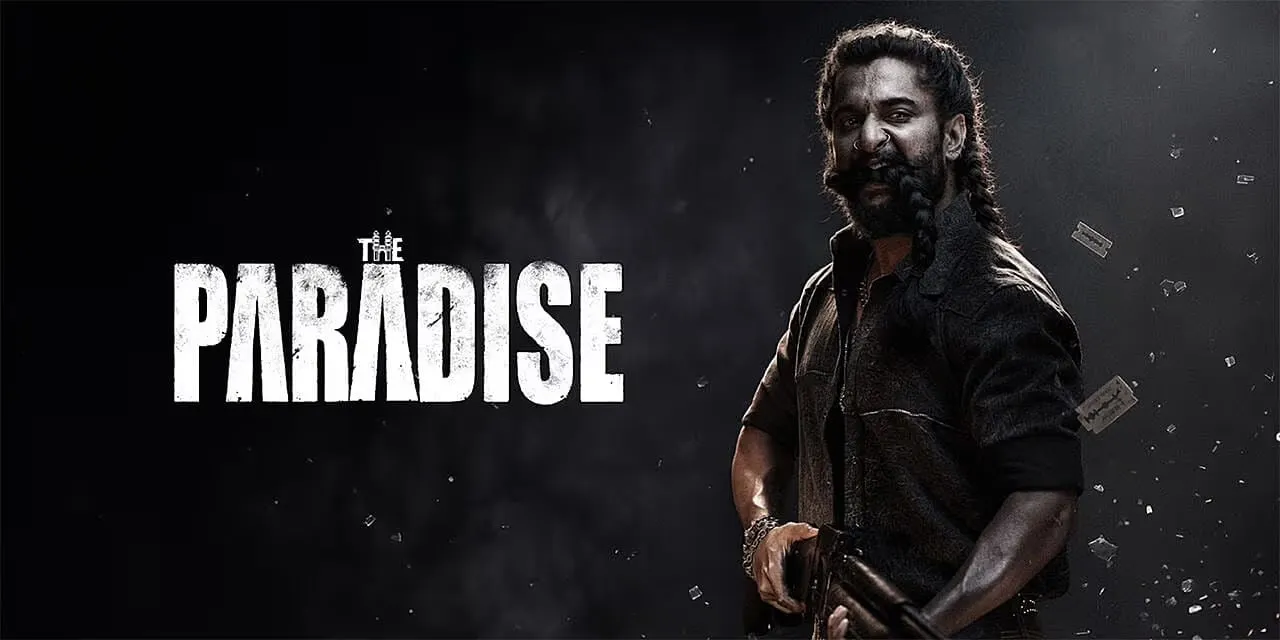
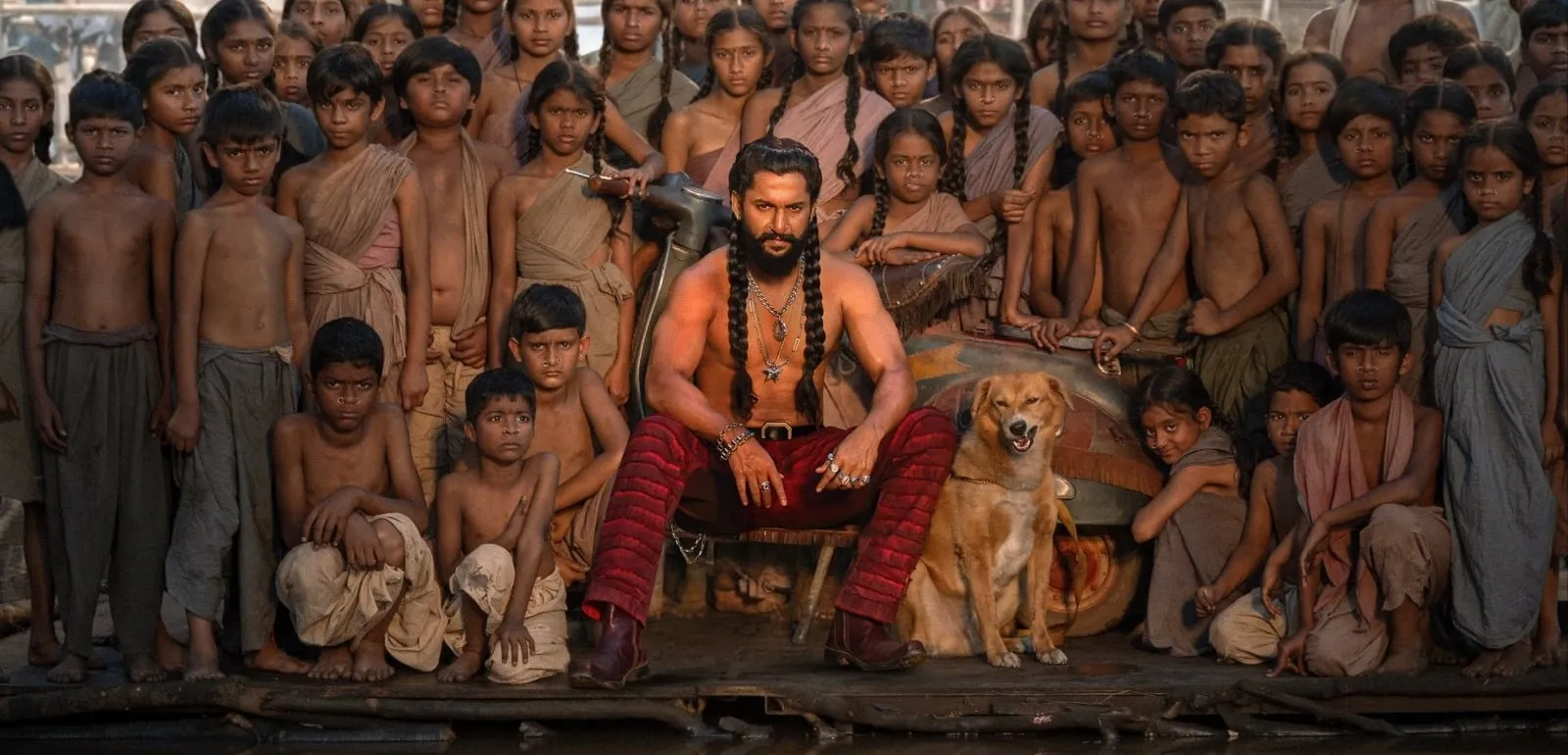
Jadal (Nani) is named for his plaits, has an expletive inked on his forearm and walks out of fourteen years in prison with the wary hunch of a street dog that has learnt to expect a kick. Nani has never looked like this, and for a while The Paradise looks like the film to match him. Then it keeps going for nearly three hours.
Srikanth Odela, reuniting with his Dasara star, sets the story in 1980s Secunderabad among the Savaaris, a fictional tribe denied papers, votes and dignity by the landlord-king Shikanja Malik (Mohan Babu). The world is the film’s real achievement. Avinash Kolla’s production design and Ch Sai’s rust-and-soot photography make the settlement feel lived in long before the camera arrived, and the early stretch has patience: the birth that opens the film is disturbing, the fights are staged so you can follow every blow, and the interval block is a proper rush.
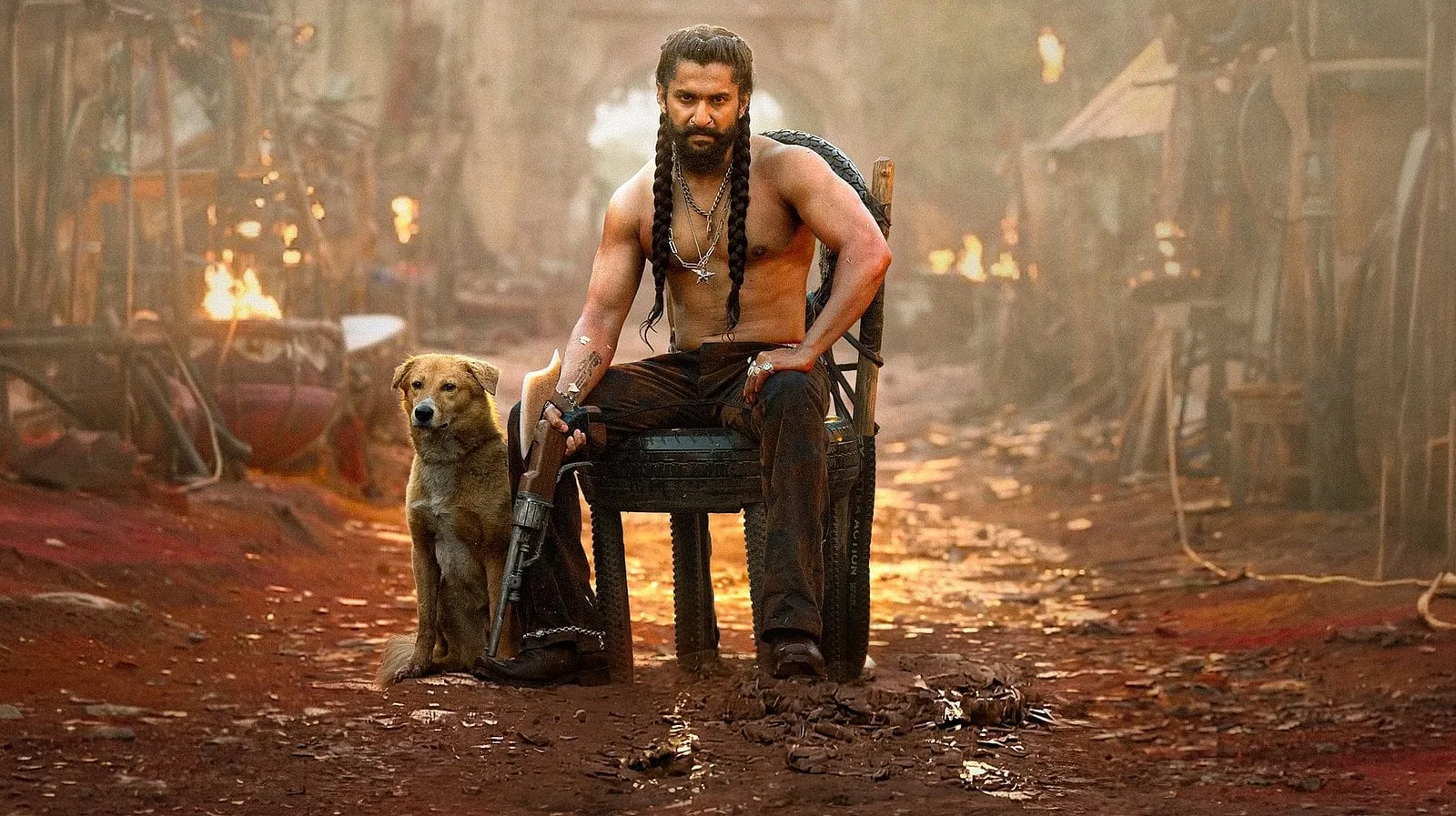
What follows is a template the last few years have worn smooth: an oppressed people, a feudal tyrant, a saviour with a weapon and a slow-motion walk, pitched at the scale of the blockbusters that got there first. Those films landed partly because nobody had seen them before. Here the community’s fight for recognition keeps narrowing into chances for one man to look ferocious, and the tribe is mostly a crowd to be massacred or rescued. Jadal’s resentment of his mother Sammakka (Sonali Kulkarni) is the thorniest idea here, and Kulkarni gives their one real conversation some bruised feeling before the film loses interest in it.
Instead, violence answers every dramatic question. By the second hour, the severed limbs and close-ups of torture stop shocking and start blurring together. Mohan Babu brings his booming authority, his entry upstaging the hero’s own, and then vanishes for long stretches. Raghav Juyal, as his son Vikram, is reduced to sneering, and the promised reckoning between Jadal and Malik fizzles.
Subbu (Kayadu Lohar), an aspiring actress and the one character who wants a life beyond the fight, gets parked in a subplot about shooting a titillating film that plays as a joke, a provocation or both. Anirudh Ravichander’s Aaya Sher and Yeshanagula give the film a lift. His background score mostly shouts over a muddy sound mix that buries half the dialogue, and abrupt cuts betray the same rush that cost it a trailer.
Nani remains the reason to see it. He plays Jadal’s brutality as something held down rather than performed, even if his Telangana diction wobbles and the script gives him little beyond rage. Odela knows how to build a world and stage a fight. Next time, he might pick one that nobody has already won.
More onThe Paradise,Nani,Srikanth Odela,Movie Review