★★★★ ★★ 4.25/5
Dorothy review: Karthik Subbaraj’s boldest leap yet
Karthik Subbaraj's Dorothy pairs a light touch with unusually direct politics, superb long takes and moving performances from Sananth and Rishikanth.
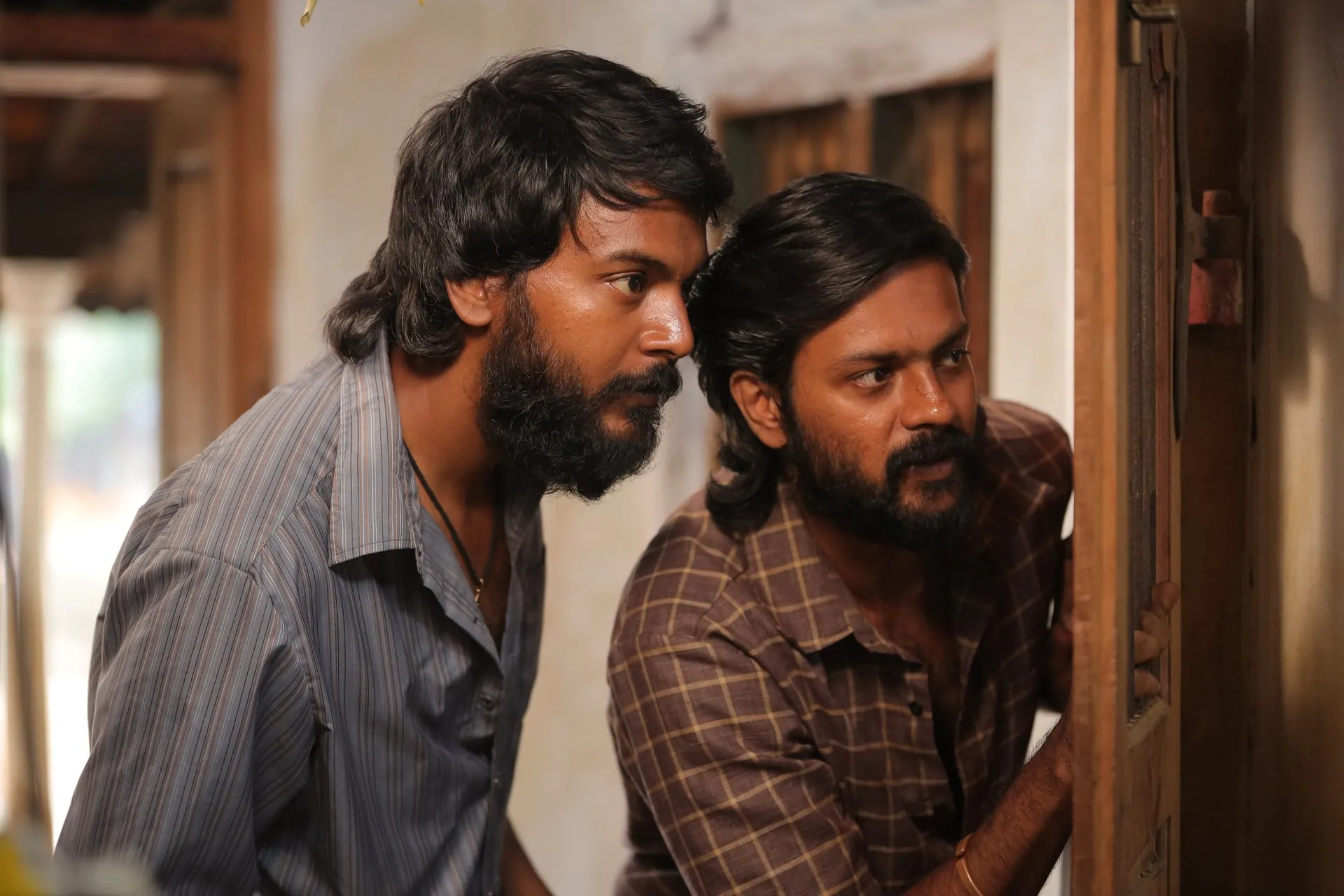
Karthi can fight for his best friend’s family without ever becoming their equal. Dorothy finds a whole social order in that arrangement, then questions the rules that keep it standing. Karthik Subbaraj is wonderfully open here about gender, desire and the terms on which people are allowed to belong. He also remembers that a film can take these things seriously and still be very good company. For all its cruelty, Dorothy has a lightness of touch that makes its tenderness feel possible.
Growing up near Madurai, Karthi and Subbu learn that being a man means fighting back and swallowing tears. Subbu initially teaches the timid Karthi these rules. In adulthood, Karthi (Rishikanth) has learnt them rather too well, while Subbu (Sananth) finds them increasingly unbearable. There is a painful irony here: a lesson can keep doing damage long after the person who taught it has begun to question it. Shared meals and movie outings establish how much fun they have together, long before they have to explain themselves to each other.
The humour comes naturally from this company. Their attempts at being fearsome, including a botched contract killing, have a fumbling quality that punctures their self-image. Karthik Subbaraj keeps finding the ridiculousness in people who take their own manhood terribly seriously. Even tense passages retain this slightly mischievous eye. The film has room for appetites, petty vanities and the ease of an old friendship. That playfulness gives the later pain something to take away.

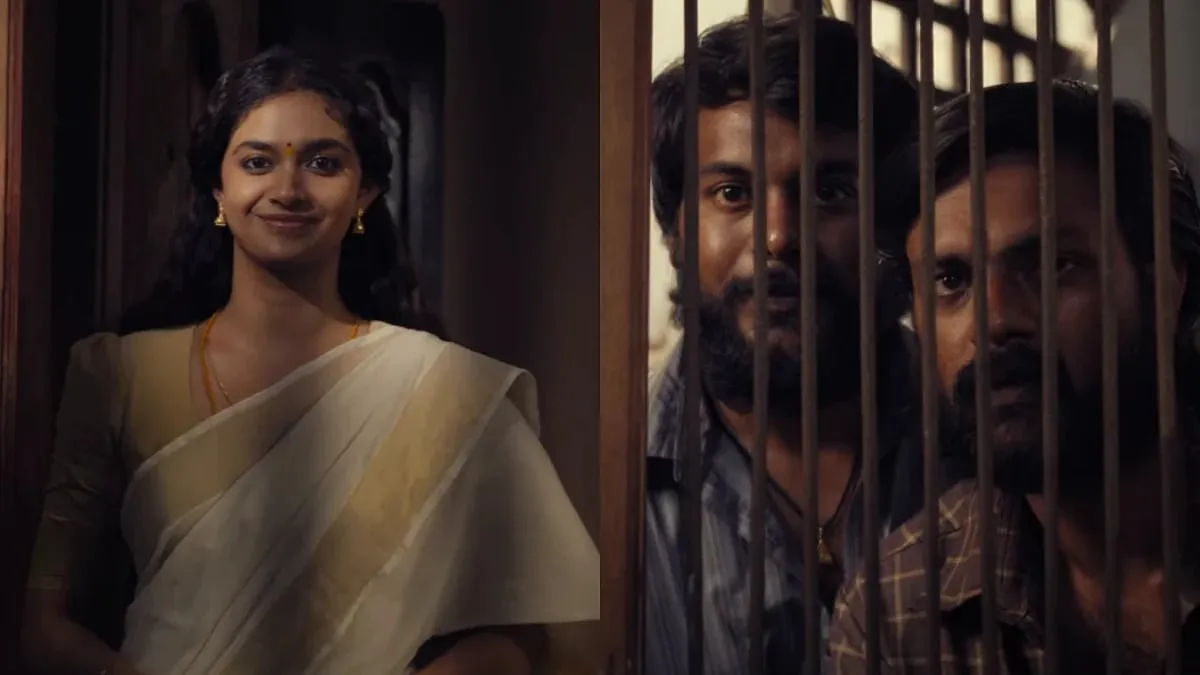
Keerthy Suresh’s Dorothy enters Subbu’s household as his sister-in-law and offers something the men rarely do: a patient hearing. Keerthy makes that attentiveness feel substantial, even within a disappointingly brief role. Beside her warmth, the men’s authority looks particularly impoverished. Muthukumar, as the vicious patriarch Whistle Veeraiya, can make a whistle sound like an instruction everyone has learnt to obey. The family has confused making people afraid with keeping them close.
Karthik Subbaraj and cinematographer Tirru give these relationships some superb staging. The single-shot sequences let discomfort build without an edit offering release. In a field fight, the camera holds its position as the bodies lunge, stumble and struggle. All that aggression becomes awkward physical work. During an extended passage of grief, the camera follows Sananth through the house as shock gives way to anger and distress. Familiar rooms become places he can scarcely bear to inhabit. Sananth is extraordinary here, his whole body registering what the character cannot contain.
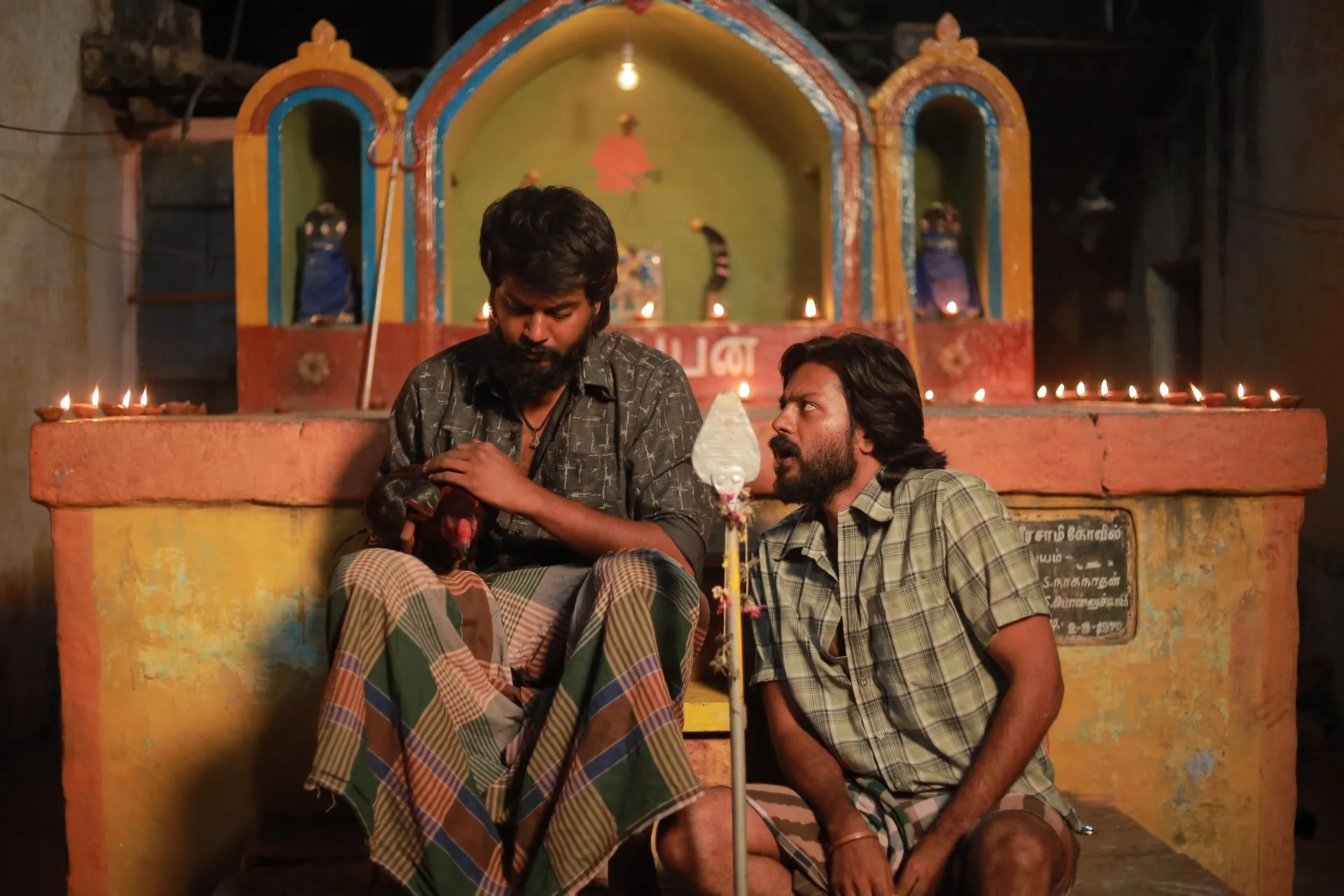
The later journey changes the film’s pace and the shape of its images. Tirru’s cramped compositions give way to open landscapes, and being away from the household allows conversations that could scarcely happen within it. The road gives the friends time together without the family deciding what that time must mean. Rishikanth makes especially fine use of it. Affection keeps surfacing through Karthi’s recoil, frustration and anger; the old familiarity survives even when he is struggling to recognise the person beside him. Changing your mind becomes harder when you think you already know somebody completely.
Ilaiyaraaja’s music understands those contradictions beautifully. It can enjoy the film’s mischief, deepen its violence and then allow tenderness into an uncomfortable encounter. The score gives the changing story an emotional continuity, and Muthumani arrives with a feeling that listening to the song alone cannot supply. Familiar music acquires a new intimacy through the people it is accompanying.
Dorothy is among Karthik Subbaraj’s boldest, most progressive films, and his most open statement of what he believes. Its politics becomes personal in the demand it makes of Karthi: caring for somebody involves giving up the right to decide who they should be. The film follows that thought further than a comfortable declaration of tolerance. Some speeches explain compassion after the actors have already made us feel it, and Karthi’s final emotional shift could use another scene or two. By then, wanting a kinder future for them feels instinctive.
For all its violence, Dorothy understands that merely letting somebody live is a fairly low bar for love. It asks for more, and makes that demand deeply affecting.
More onDorothy,Karthik Subbaraj,Keerthy Suresh,Movie Review