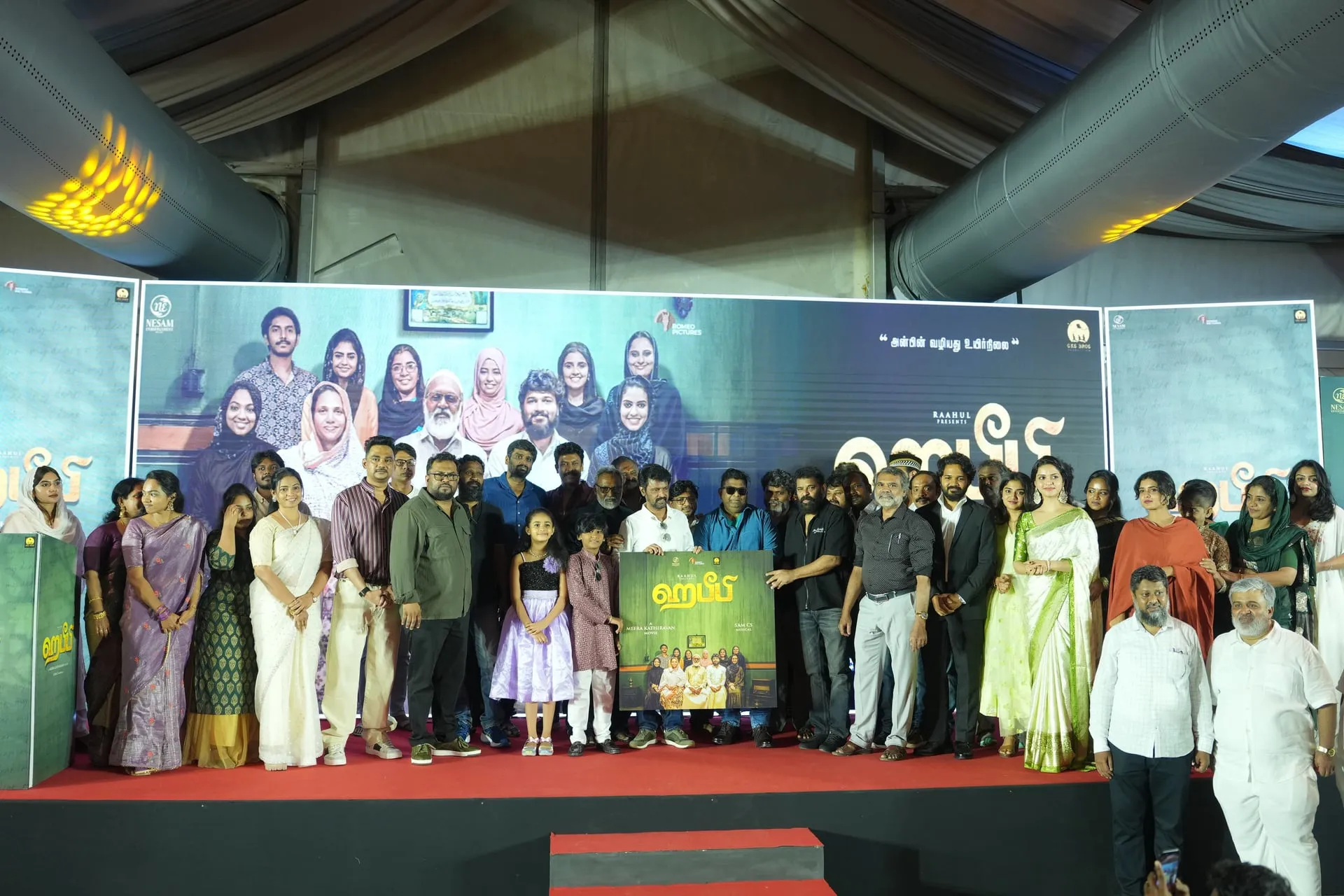

Habeebi Waited a Century for Tamil Cinema to Tell This Story
At the Habeebi thanksgiving meet, the team marked a rare full-length portrait of Muslim life in Tamil cinema, with Kasthuri Raja's lead turn as Yusuf under Meera Kathiravan.
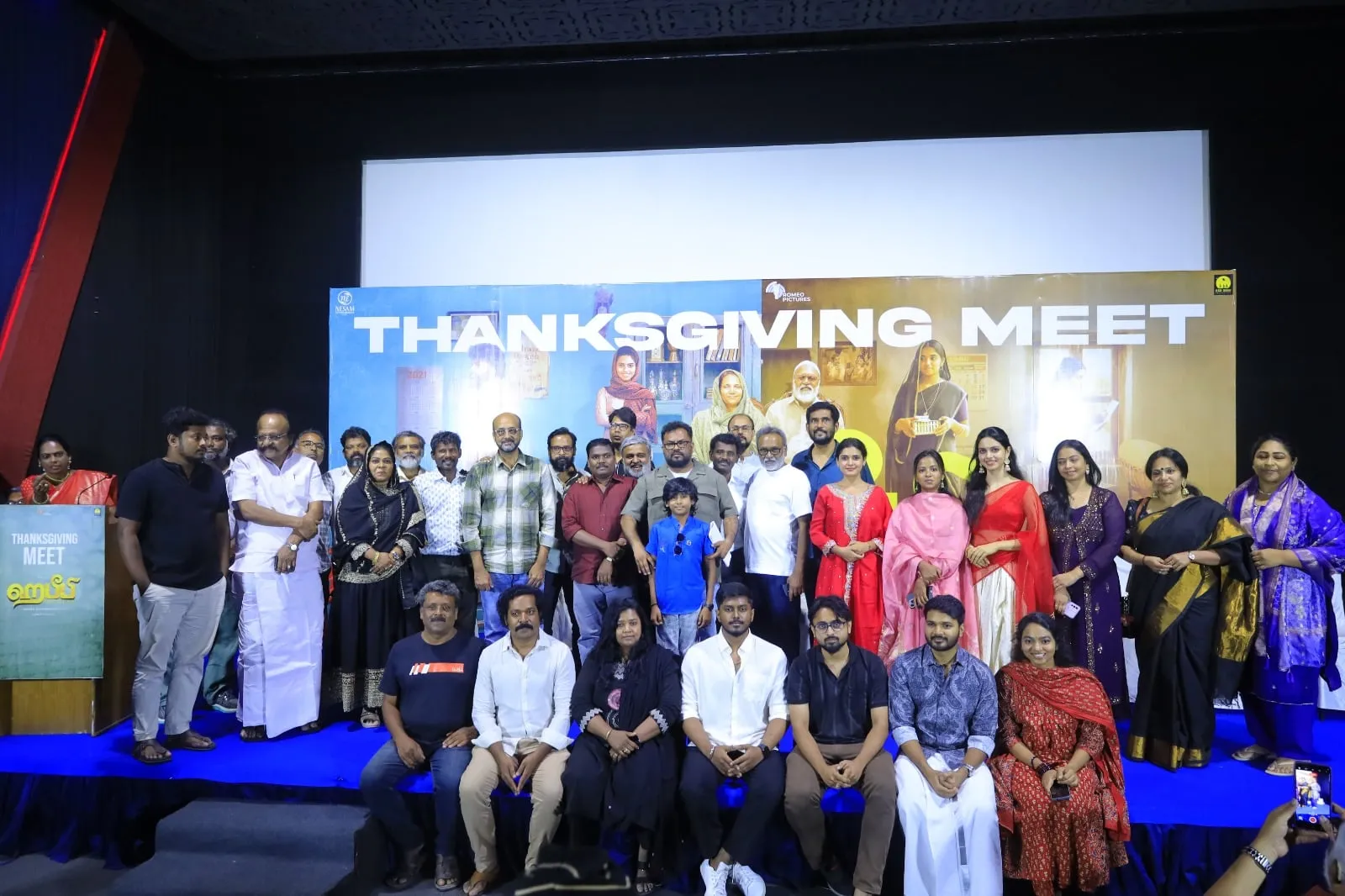
The number everyone at the Habeebi thanksgiving meet kept coming back to was a hundred. As in: a hundred years of Tamil cinema, and almost none of it spent looking, plainly and without fiction, at how Muslims in Tamil Nadu actually live. Meera Kathiravan’s film does exactly that, and the fact that it has worked at the box office is what the team gathered to celebrate, a small validation that a film this quiet and this specific can still find an audience.
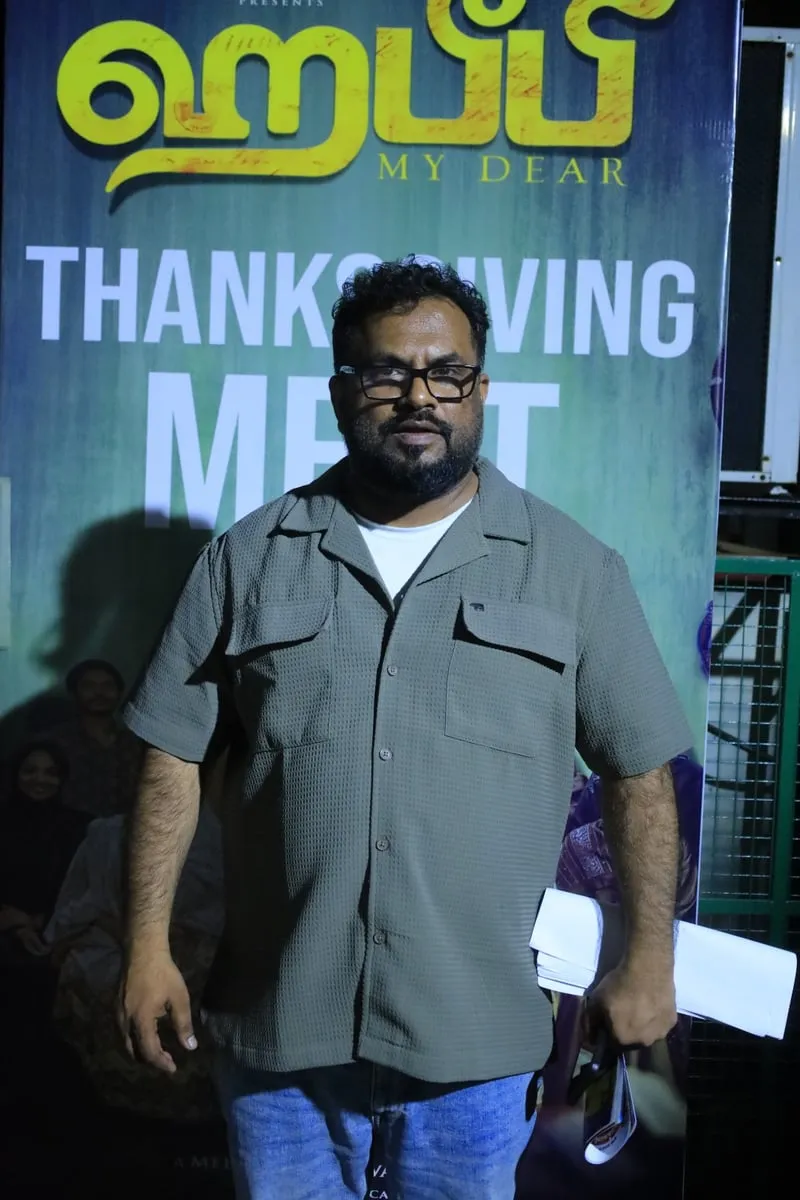
Kathiravan carried the story for six years before it reached a screen. He framed the meet as a personal landmark, his first time hosting a thanksgiving for one of his own films, and said the recurring theme of cinema casting Muslims as terrorists since the 1980s was the thing he set out to correct. To change that picture, he said, the people who knew the life had to step forward and tell it themselves.
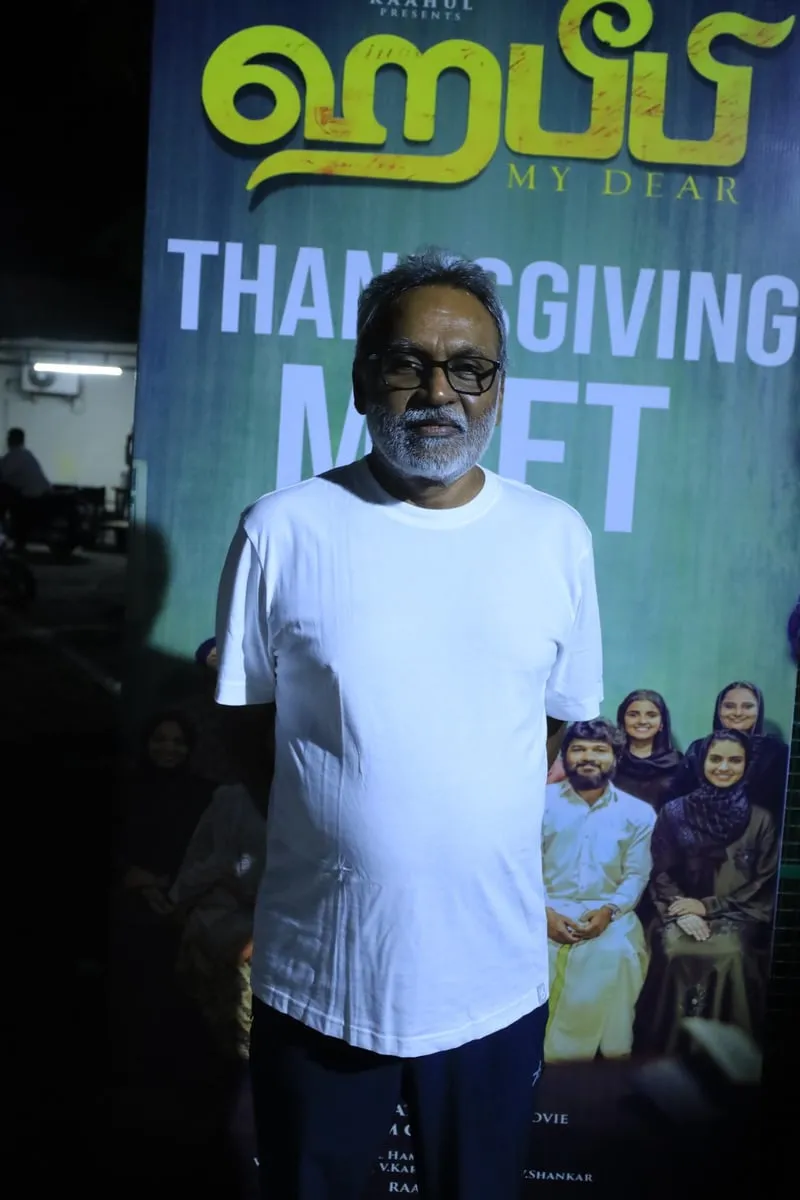
The film’s biggest surprise is its lead. Kasthuri Raja, a veteran director and the father of Dhanush and Selvaraghavan, steps in front of the camera as Yusuf, and he spoke about the part as a kind of rebirth. He watched the finished film with his children and grandchildren around him, and said his daughter wept; his son Dhanush told him he had acted in a film that carried real dignity. He thanked his wife for letting him act freely, and only half-joked that he now wonders whether the name behind the camera should stay Kasthuri Raja and the one in front of it become Yusuf. Several speakers, the lyricist Yugabharathi among them, predicted he would become Tamil cinema’s go-to screen father after this.
For Malavika Manoj, the film is a debut that arrived years after it was shot, and she said watching it finally reach people and gather this much affection was its own reward. The cast around the leads runs wide and largely new, several of them first-timers and one a YouTuber recognised by audiences only after the film, and a recurring note was how many of them got fuller, more dignified parts than they expected.
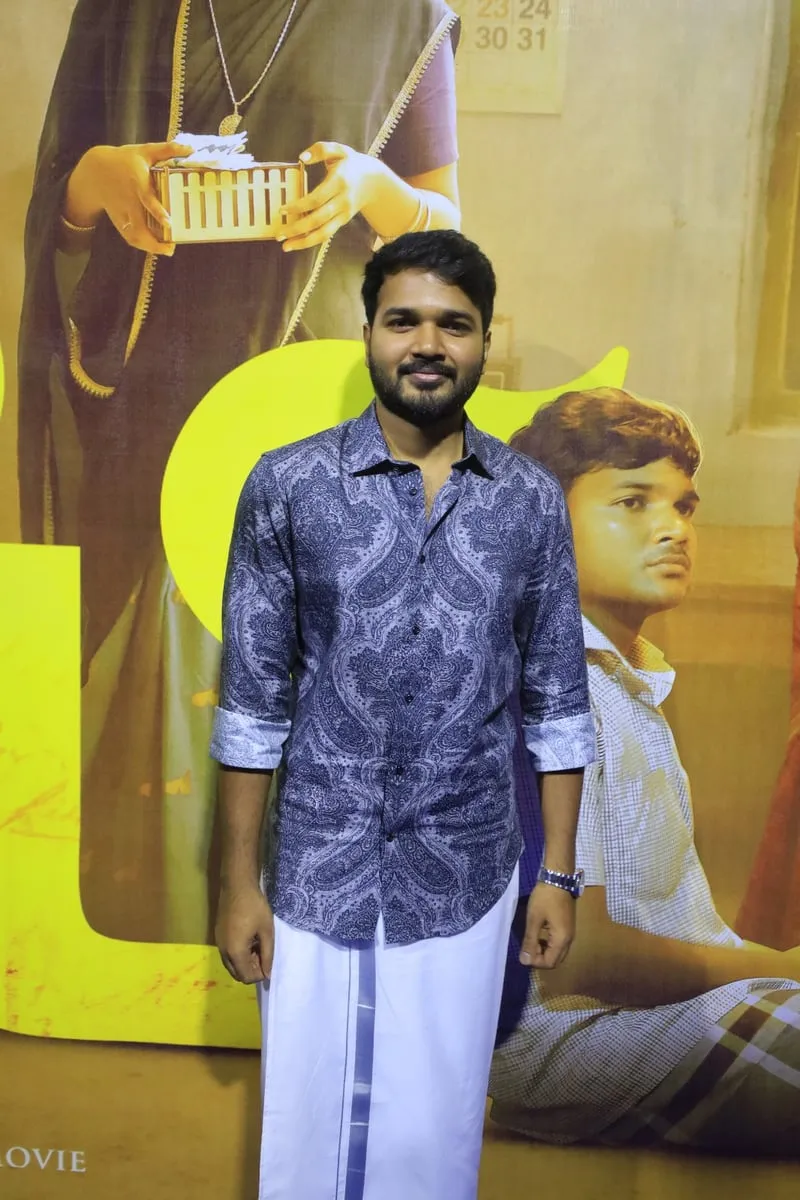
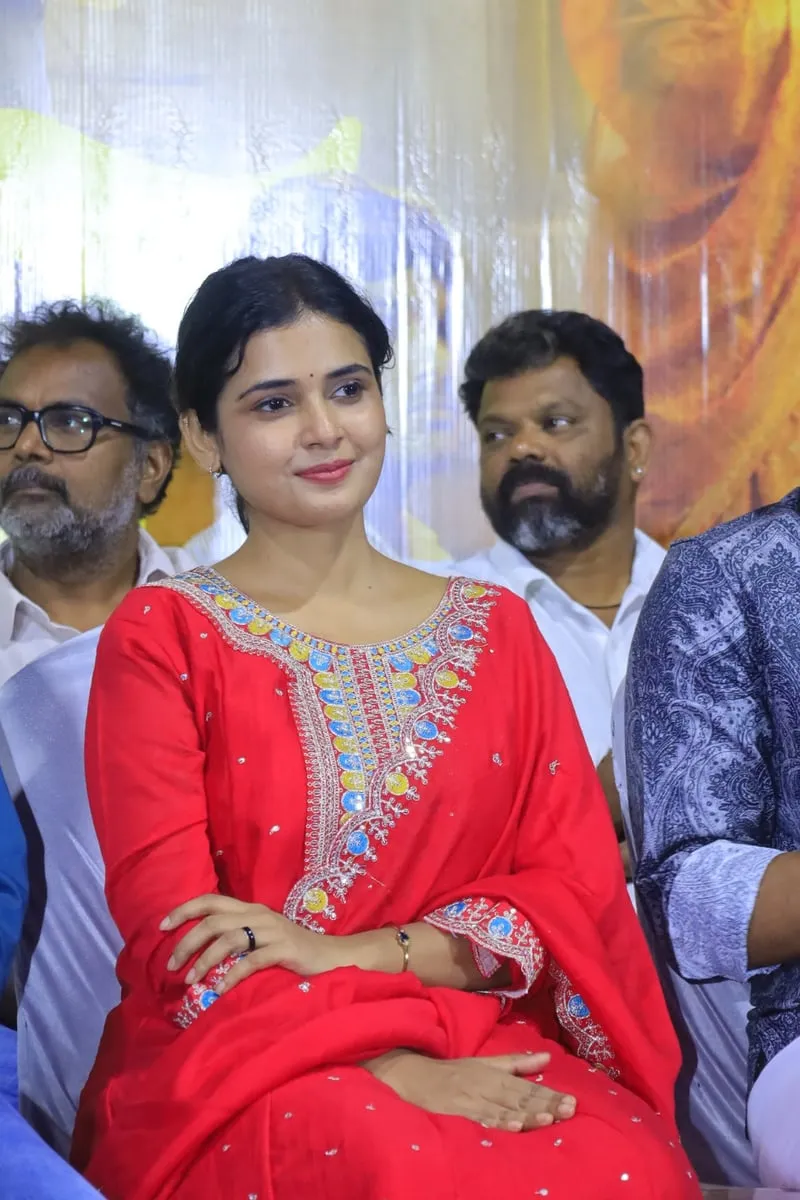
The strongest framing of the day came from director Raju Murugan, a long-time friend of Kathiravan’s. He placed Habeebi in a lineage: just as he reads Madras as a starting point for a certain kind of social cinema, he sees Habeebi as a starting point for Muslim life on the Tamil screen. Tamil literature, he noted, has a deep history here, from the Seerapuranam to Thoppil Mohamed Meeran, and Tamil political history has its Muslim chapters too, but cinema simply skipped it. Showing these characters as people, with their relationships and joys and griefs rendered straight, is to him what real social cinema looks like. That the film cut through the noise and won, he said, is a genuine reason for hope.
The producers told the same story from the money side. Suresh Kamatchi, who came in at a tight moment to fund the film, said he knew Kasthuri Raja only as a director and was stunned watching him act, and argued there is no need to file Habeebi away as a Muslim film; it is simply a film about a community within Tamil society, told honestly. Karuppasamy, fresh off the success of Parandhu Po, and Ibrahim rounded out the backers, with the score by Sam CS singled out for how much weight it lends the quieter scenes.
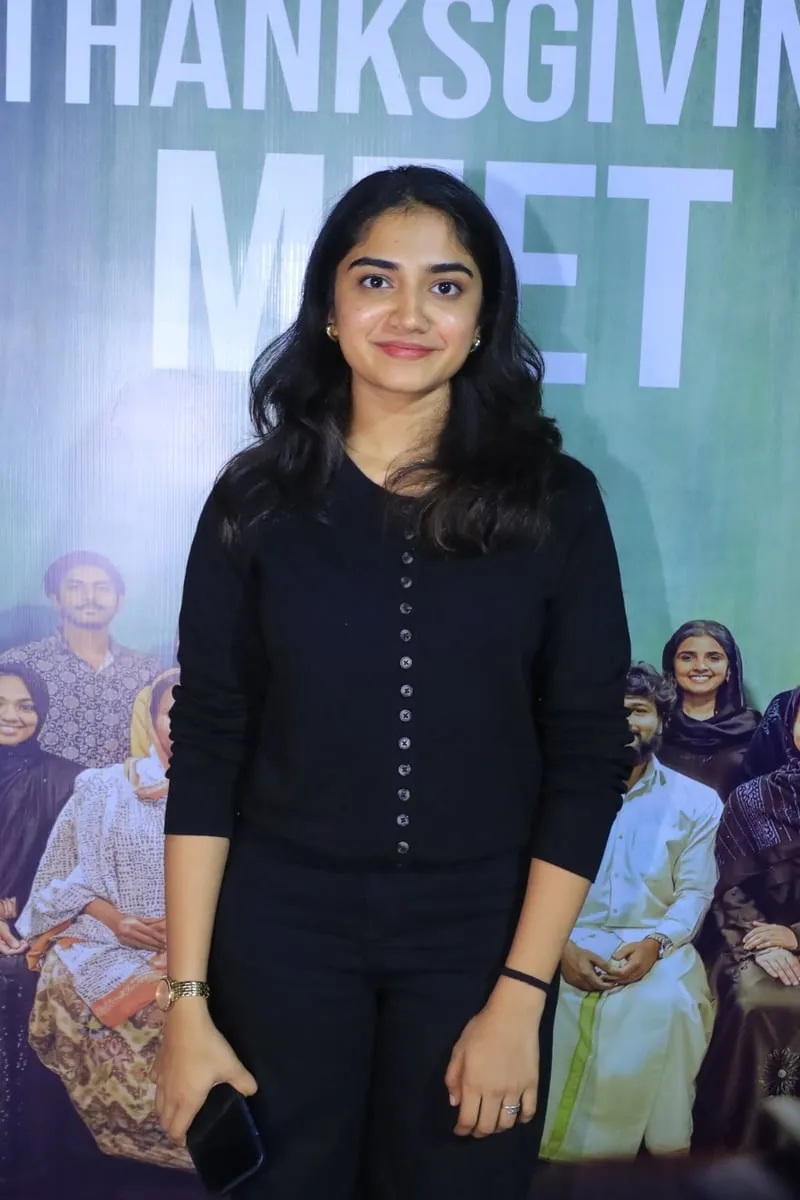
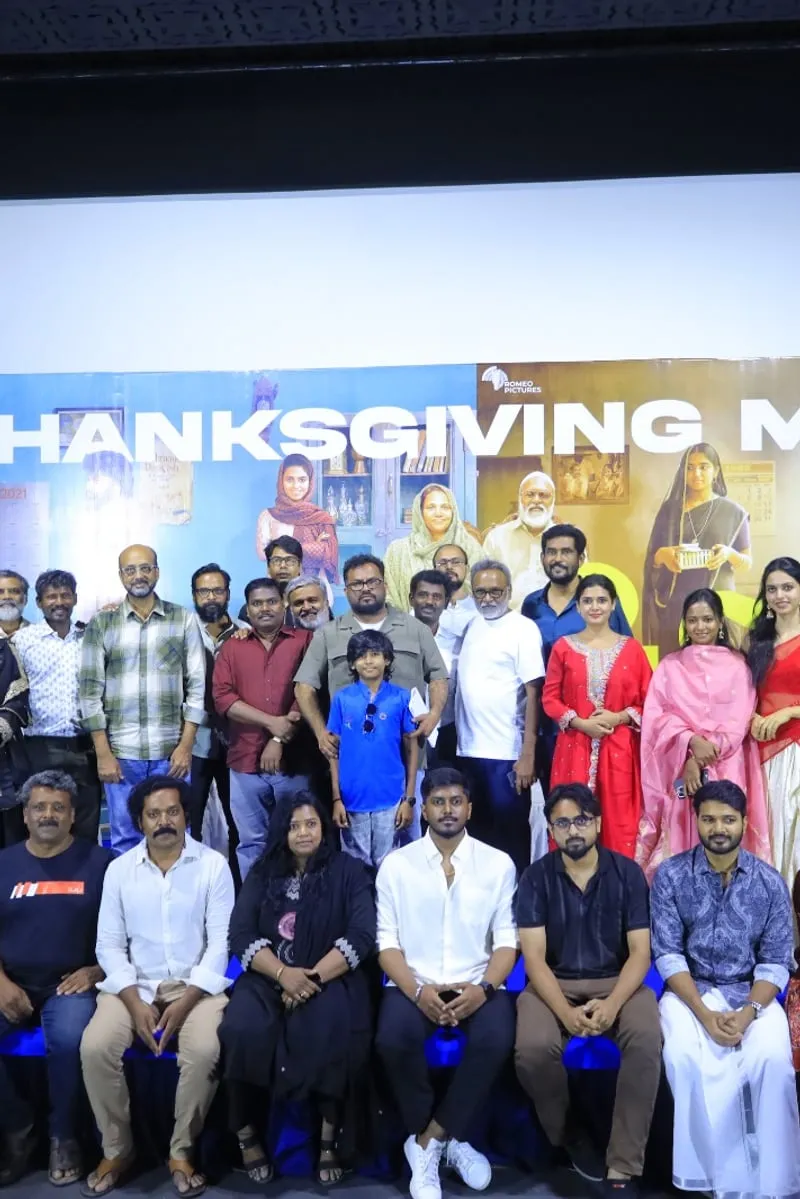
What gave the evening its charge was that none of this was theoretical anymore. The film exists, it ran, and it made its money back on a subject Tamil cinema had avoided for a century. Kathiravan said he hopes it opens a door for many more social films to walk through. On the evidence of a passion project that waited six years and still landed, that door is already ajar.
More onHabeebi,Kasthuri Raja,Meera Kathiravan,Malavika Manoj