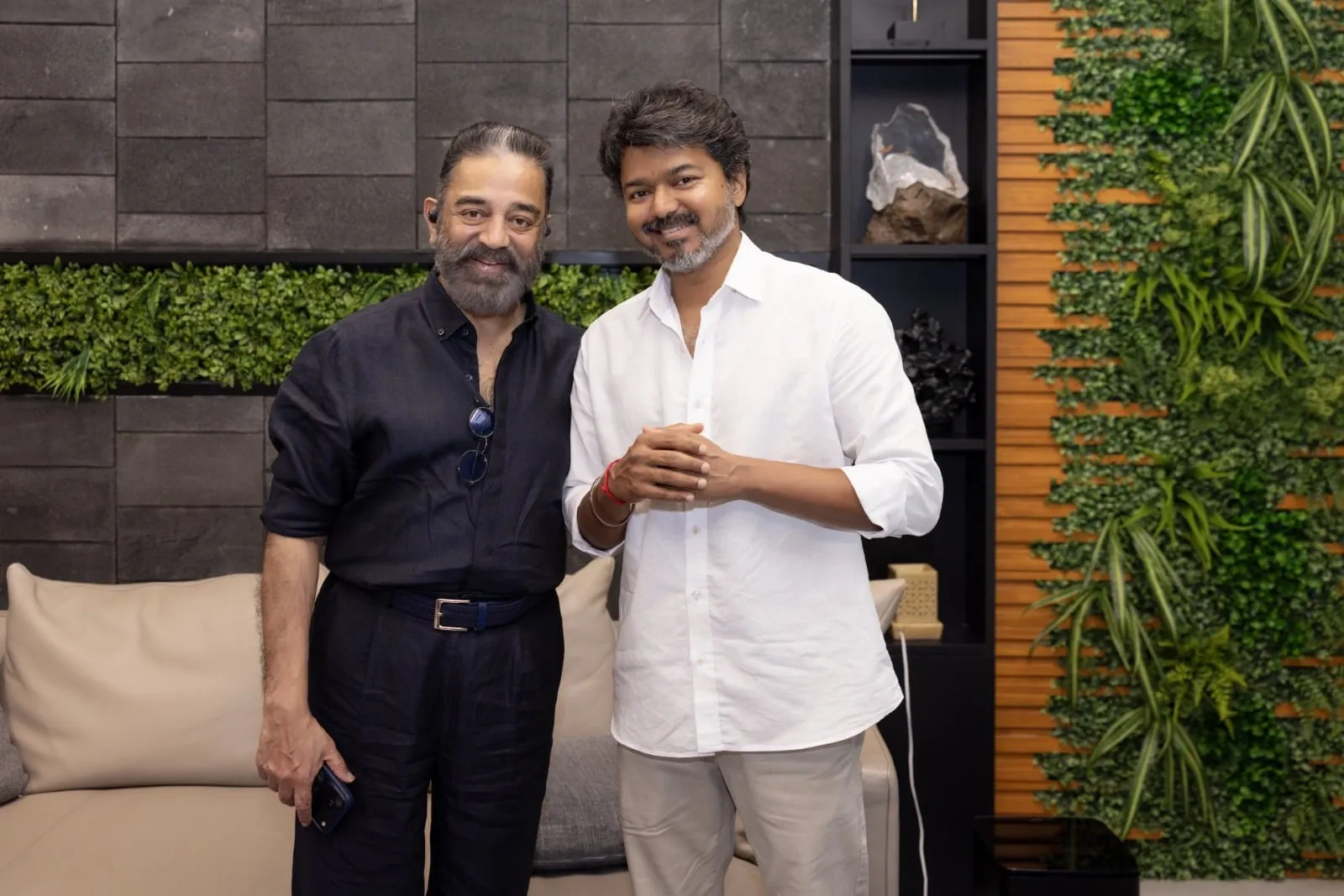
Kamal Haasan to the industry: cut the luxury, protect the workers
His open letter asks the trade to trim foreign schedules, entourages and ostentation to face the slowdown, without cutting into workers' wages or dignity.
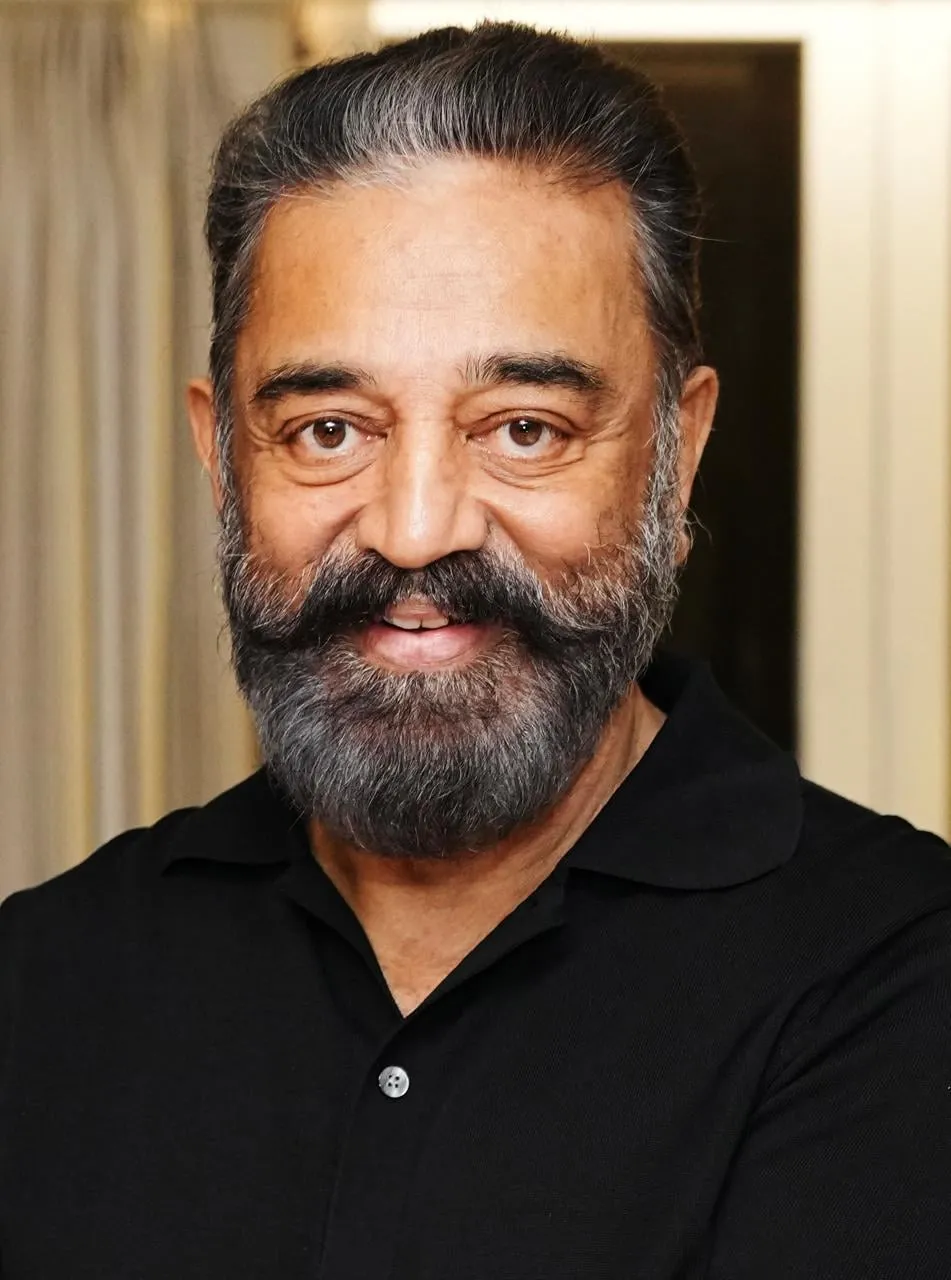
Kamal Haasan has put out an open letter to the Indian film industry asking it to face the global slowdown by cutting wasteful luxury without cutting the people who actually make the films. The note, addressed “to my dear members of the cinema industry”, lands as the West Asian war drags on, energy and freight markets stay jumpy, and the trade braces for a year of softer ticket sales and tightened household spending.
The argument runs in two clear directions, and the second matters as much as the first. Yes, the industry has to spend more carefully, he writes. No, that economy cannot be taken from the people who work the longest hours on the lowest margins. Any reform to cinema’s economy, the letter warns, must not be allowed to fall on workers’ wages, safety, dignity, food, transport, accommodation, or humane working conditions. The reform he is calling for, he is careful to say, has to land elsewhere.
That elsewhere is where the letter’s voice sharpens. He names the real waste with the kind of specificity that is hard to read without flinching slightly: bad planning, avoidable production delays, ostentatious entourages, unnecessary foreign schedules, and a widening gap between what is being spent and what shows up on screen. The line that travels best is the one about love stories. “Does every love story have to bloom in Paris? Does every honeymoon have to end in Switzerland? Love, fortunately, does not need foreign exchange. Indian cinema, and Indians, deserve a little more faith in themselves and in our beautiful country.”
The practical to-do list reads less like an open letter and more like a memo from a producer who has signed too many overage cheques. Tighter shoot schedules. Fewer cars in the entourage. Foreign legs cut where a domestic location does the same job. Energy use trimmed on sets and at studios. Set materials reused rather than dumped at wrap. None of these are revolutionary on their own. The point of the letter is that nobody had wanted to be the one to insist on them out loud.
The call is finally for a conversation, not a code. Kamal Haasan asks producers, actors, directors, unions, studios, theatre owners, distributors, OTT platforms, and federations to sit at the same table and work out a sustainable cost regime that the whole industry can hold to. The framing is not punitive. It is national-discipline framing: a sector that reaches crores of people every day, shapes culture, sparks thought, and therefore carries a responsibility heavier than its own ledger.
He also takes a quiet swing at how scale has been read in recent years. Spectacle is not the same thing as ostentation, he writes; the best Indian films have not been built on luxury but on clear planning, sharp execution, and conviction. The closing line is the one that will sit with readers longest. “Those who have received the most from this industry should be the first to set the example.” Coming from a man whose own films include some of the longest international shoot legs Indian cinema has produced, it lands cleanly. Protect the economics of cinema today, he ends, and we protect the future of cinema tomorrow.
More onKamal Haasan,Open Letter,Industry,Workers