
★★★ ★★ 3.0/5
Once More review: Half a great romance
Arjun Das plays soft, Aditi Shankar does her best work yet, and Hesham's songs quietly rescue scenes. Then the flashback arrives. Once More, 3/5.
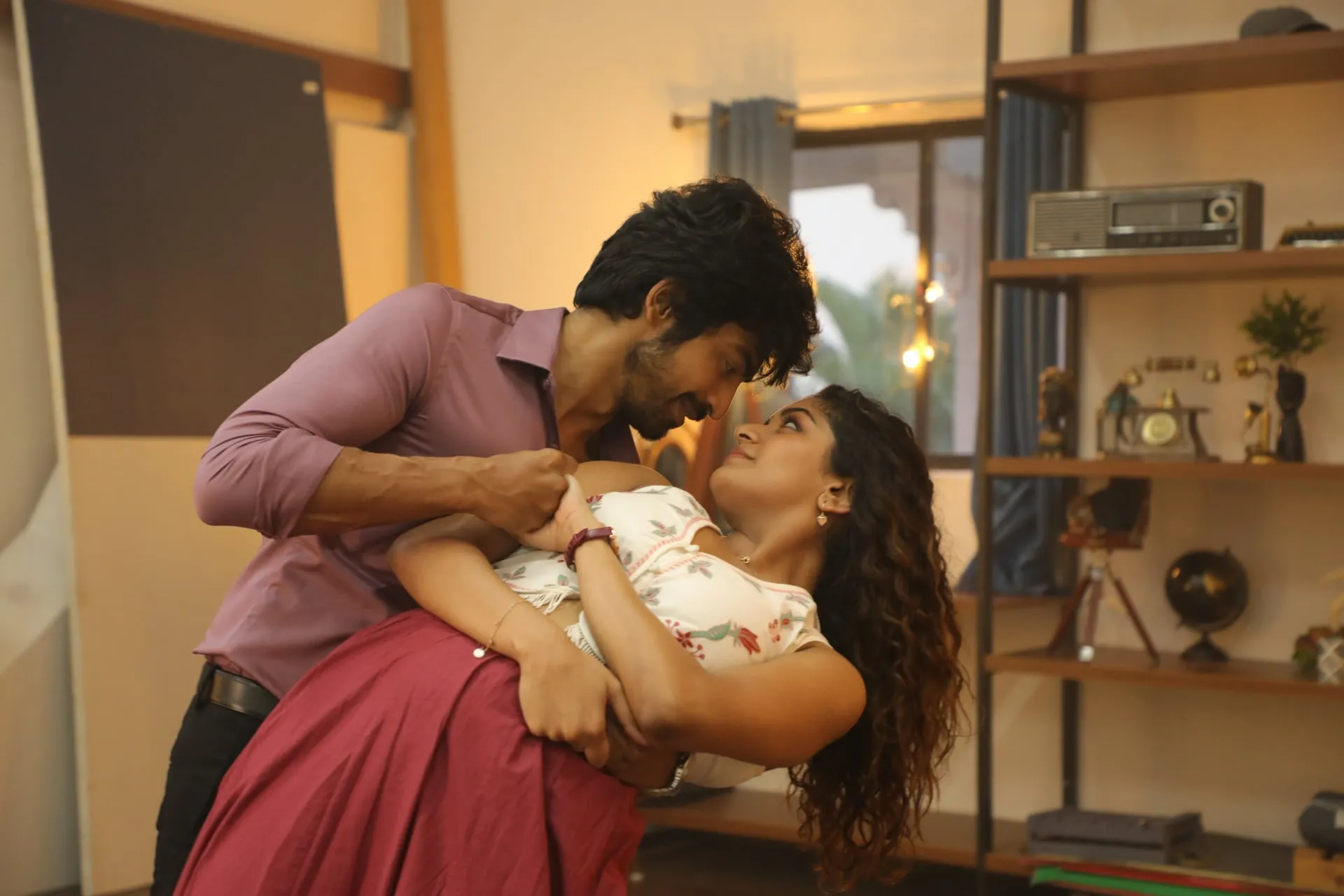
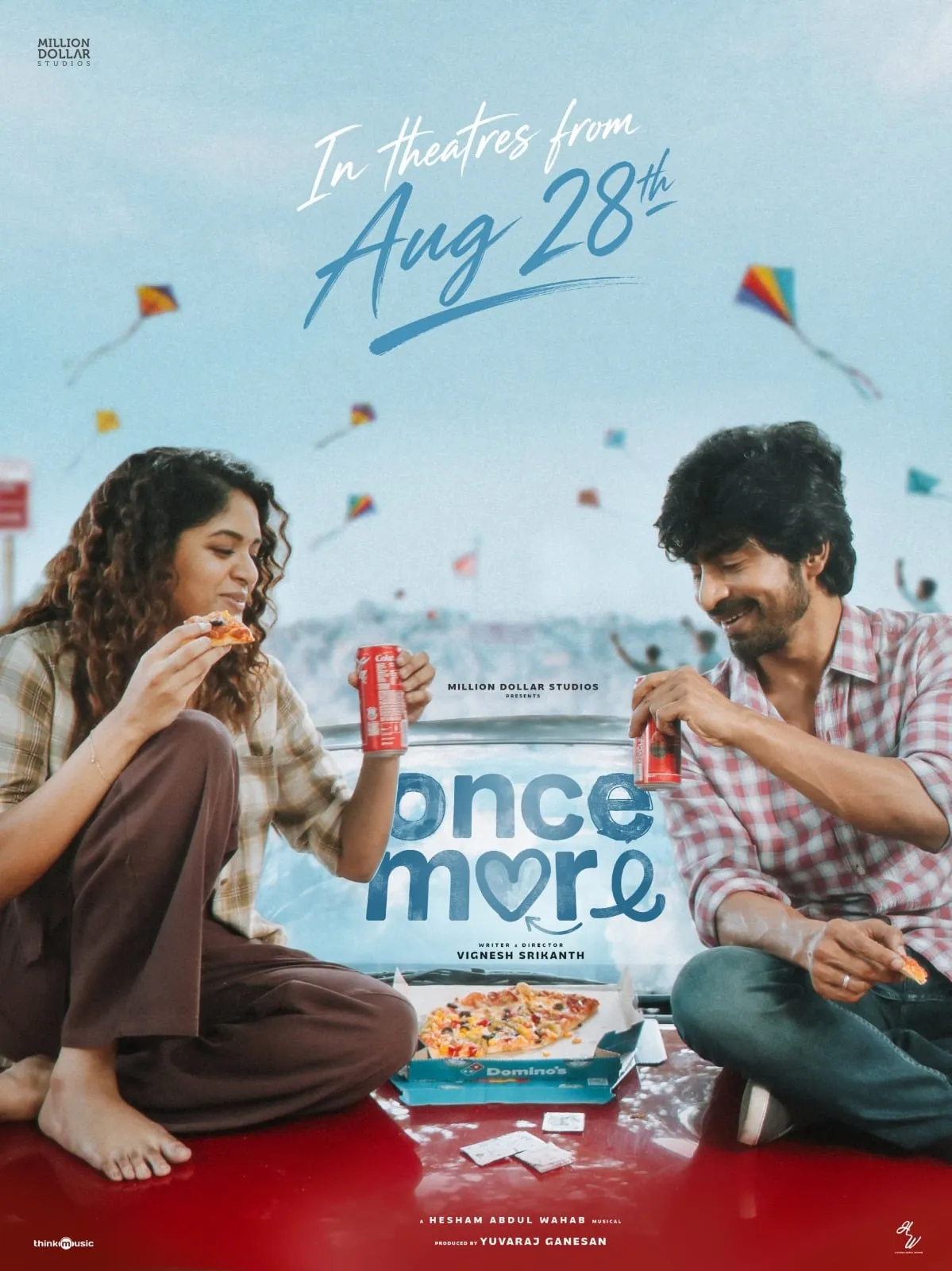
Grief can become furniture if you live with it long enough, and Raghuvaran (Arjun Das) has been living with his for eight years. He has a therapist (Devadarshini) he only half listens to, a wardrobe buttoned up to the collar, and a face that treats smiling as an unnecessary expense. Into this carefully maintained gloom walks Anjali (Aditi Shankar), a college junior who meets him at a bus stop, declares the encounter destiny on the spot, and decides his sadness is a puzzle she was born to solve.
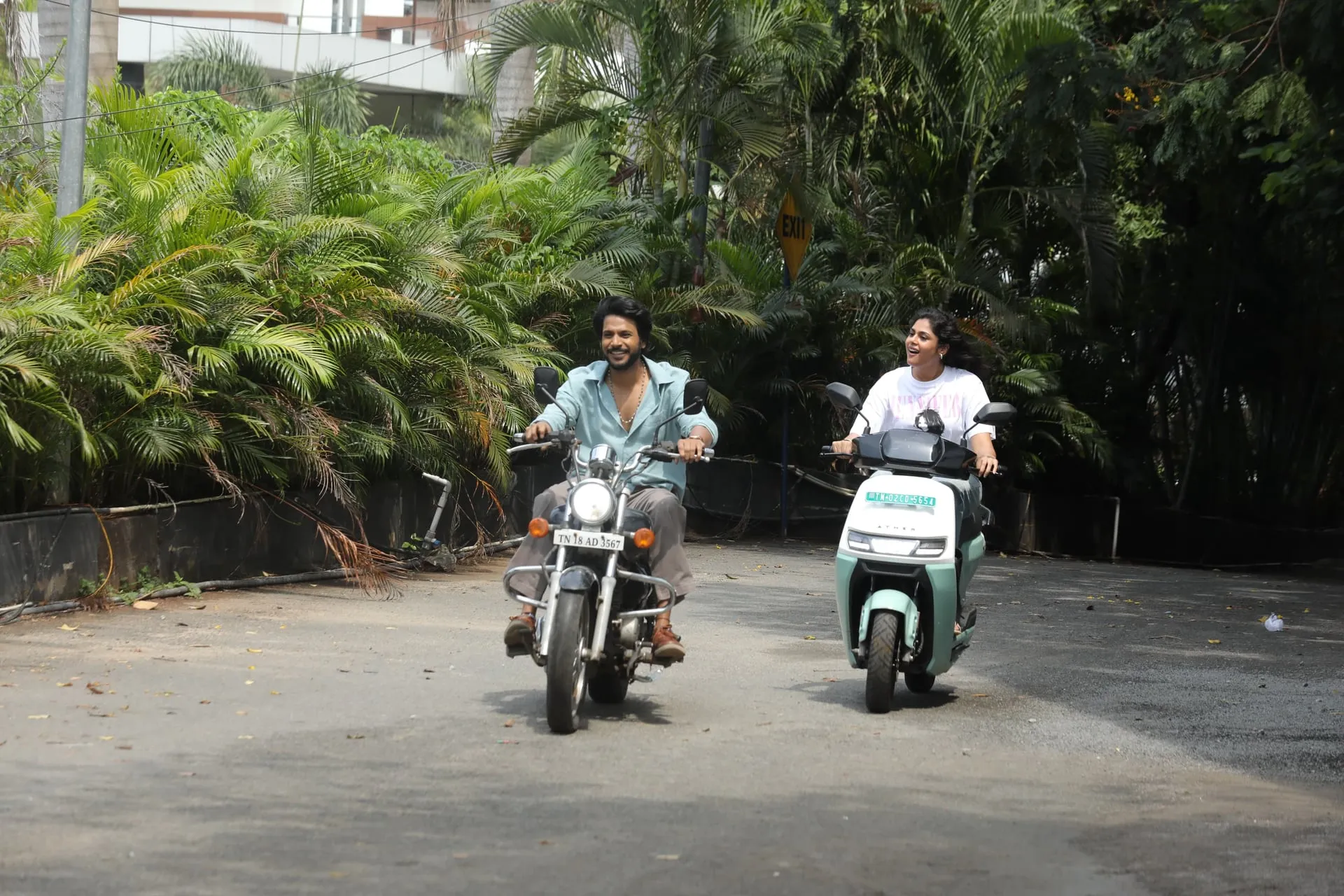
The first half, where her cheerfulness slowly chips away at his defenses, is comfortably the best thing about Once More. Debut director Vignesh Srikanth builds the courtship out of small, well-observed beats: an unconventional first date at Moore Market, conversations that wander the way real ones do, two families quietly rooting for the match. There is even a lovely running detail in Raghu’s injured hand, which heals at roughly the pace he does. Anjali’s persistence could easily tip into exhausting, and the film knows it, letting Raghu’s weariness stand in for ours. Aditi Shankar makes the arc look effortless in her most complete performance yet, the usual liveliness intact but with new control underneath. She knows when to lower the volume and let a reaction do the work.
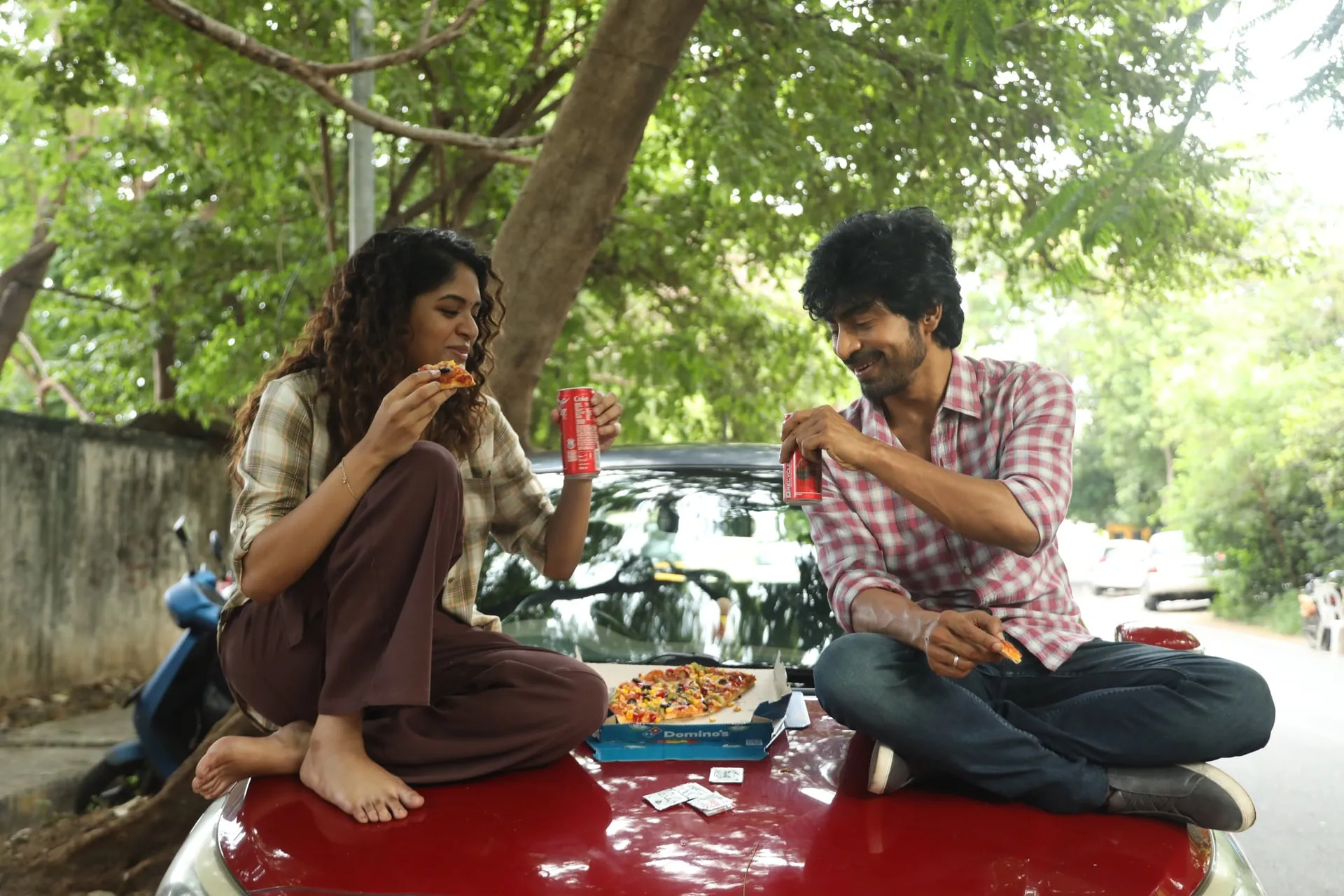
The romance is built from errands and hangouts rather than declarations, and it is better for it.
Arjun Das gets the more interesting challenge, and something his baritone rarely allows: playing soft. More than one financier reportedly wanted him recast, and Vignesh Srikanth’s stubbornness pays off. He splits Raghu into two men, and the divide is striking. The younger one is easy in his own skin; the present-day version always seems to be holding his breath.
Then the past calls. On the night of his engagement, old flame Indra (Sona Olickal) phones asking to meet, and the film dives into a long Kerala flashback to explain what broke him. Flipping the dynamic is smart structure, since the man Anjali is trying to resurrect was once the expressive half of a relationship. The execution is where Once More stumbles. We are told how much Indra meant to Raghu without enough scenes that make us feel it, her reasons for the damage she causes never quite add up, and the track leans on misunderstandings that seem to exist mainly to keep everyone miserable. Anjali vanishes for much of the second half, and the film’s warmth leaves the room with her. A well-written late conversation between Raghu and Indra recovers some ground, but by then the movie is already wrapping up.
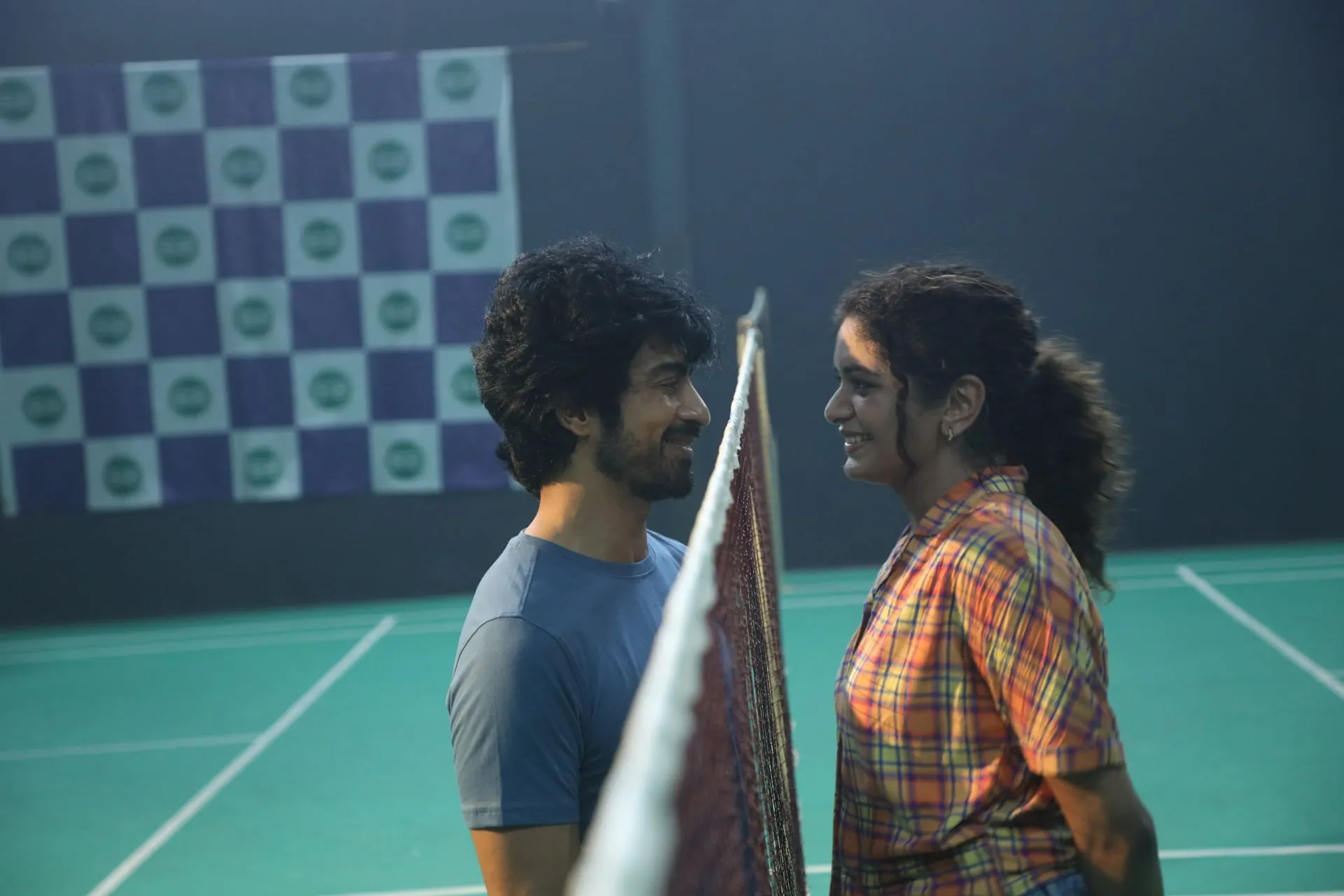
The first half keeps finding playful registers for two people circling each other.
To its credit, the film treats therapy, vulnerability and heavier subjects matter-of-factly, without announcing its own sensitivity. And Hesham Abdul Wahab, in his Tamil debut, does a lot of quiet rescuing. Vaa Kannamma and Idhayam linger, and his score props up stretches the writing lets sag, while Aravind Viswanathan’s camera keeps Anjali’s world bright and Raghu’s muted.
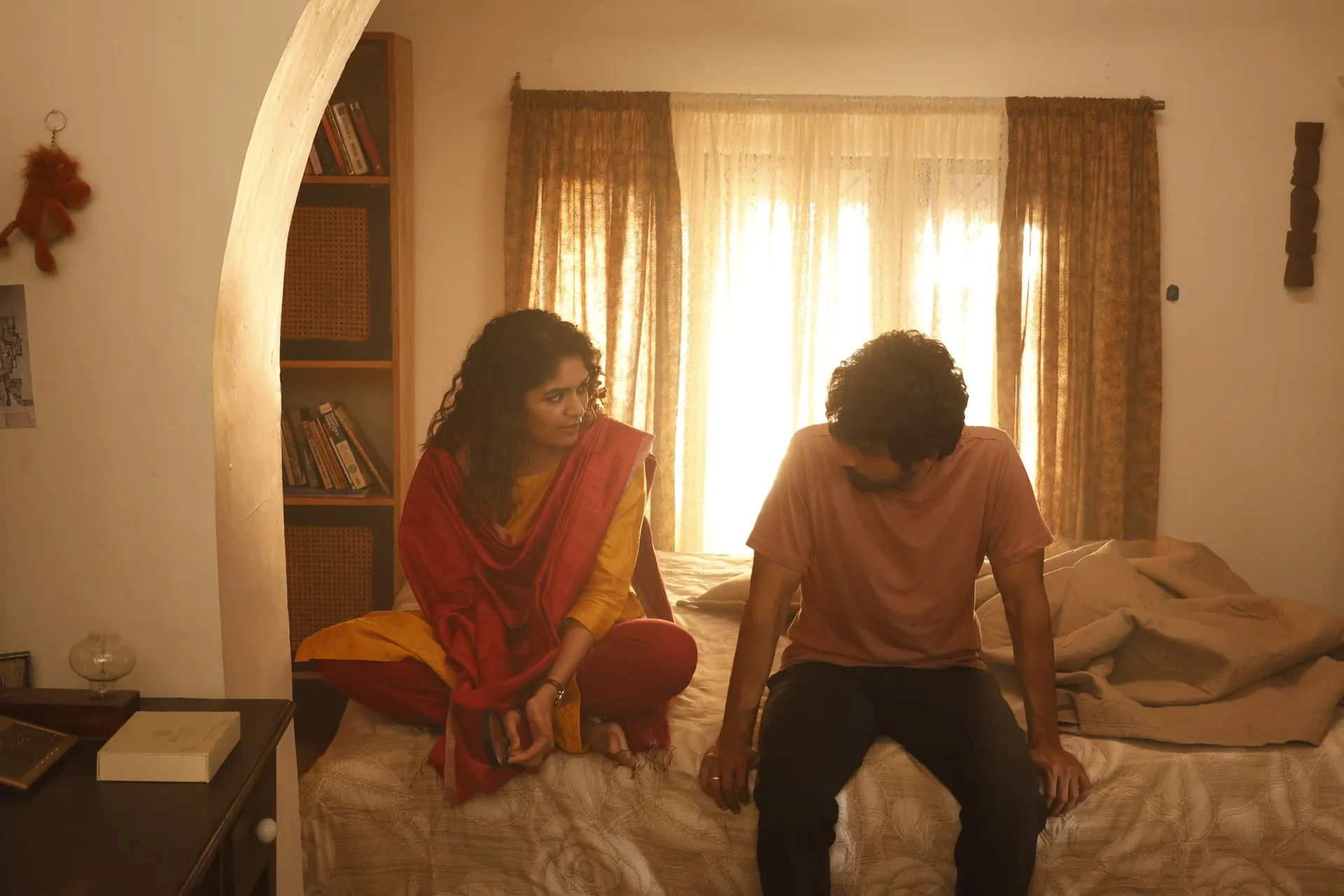
The film is most honest when it lets sadness simply sit in the room.
Once More has real tenderness in it, and a back half that keeps mistaking confusion for depth. Half a great romance, it turns out, gets you exactly halfway.
More onOnce More,Arjun Das,Aditi Shankar,Movie Review