
Deva dies at 75: a lifetime of gaana, melody and joy
From the Baashha roar to the tenderness of Aasai and Kushi, his songs shaped stars, crossed generations and brought Chennai's rhythms to the screen.
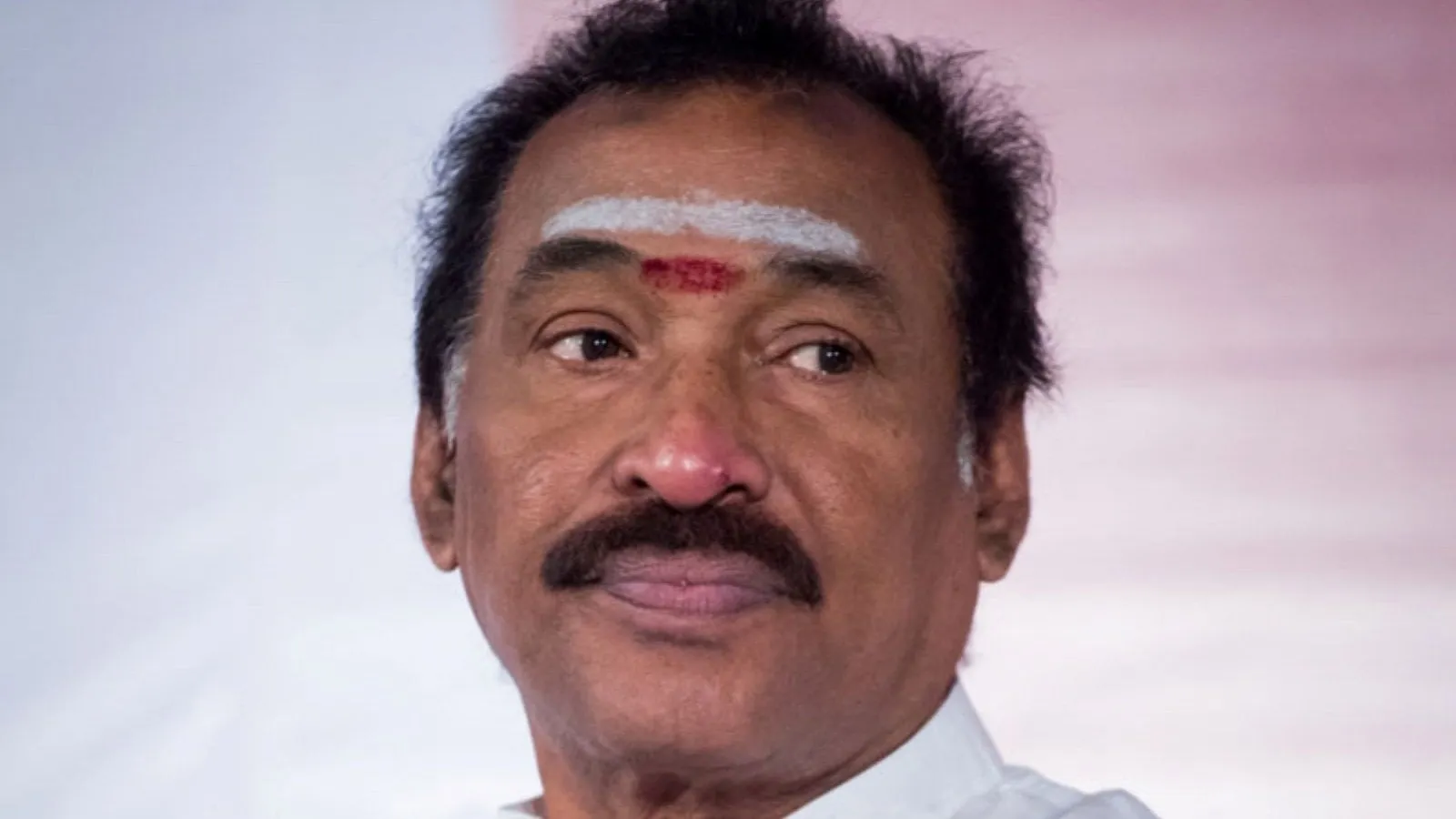
Deva, the composer and singer who brought Chennai’s gaana into the heart of popular cinema, gave Rajinikanth one of his most recognisable musical signatures and filled the 1990s with enduring melodies, died in Chennai on Saturday, October 17. He was 75. Known to generations of listeners as Thenisai Thendral, he leaves a catalogue running to more than 400 films across Tamil, Telugu, Kannada and Malayalam, alongside devotional recordings and a singing career that continued with much younger composers.
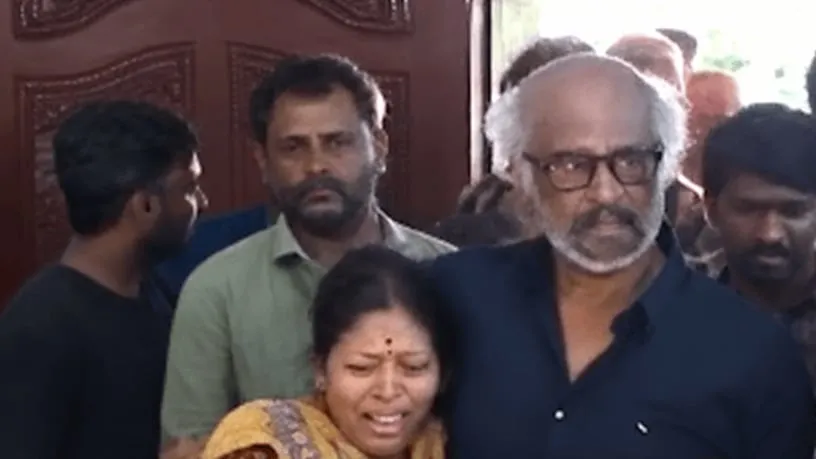
His son, composer Srikanth Deva, said his father suffered a cardiac arrest in the morning. In an account reported by Dinamalar, he described taking him to a nearby hospital after he complained of discomfort at home. Doctors could not revive him. Tamil Nadu Chief Minister Vijay announced state honours for Deva’s final journey, recognising his contribution to music. Srikanth said the family would leave Chennai around 1 p.m. on Sunday for the burial at Chakkaramallur, near Arcot.
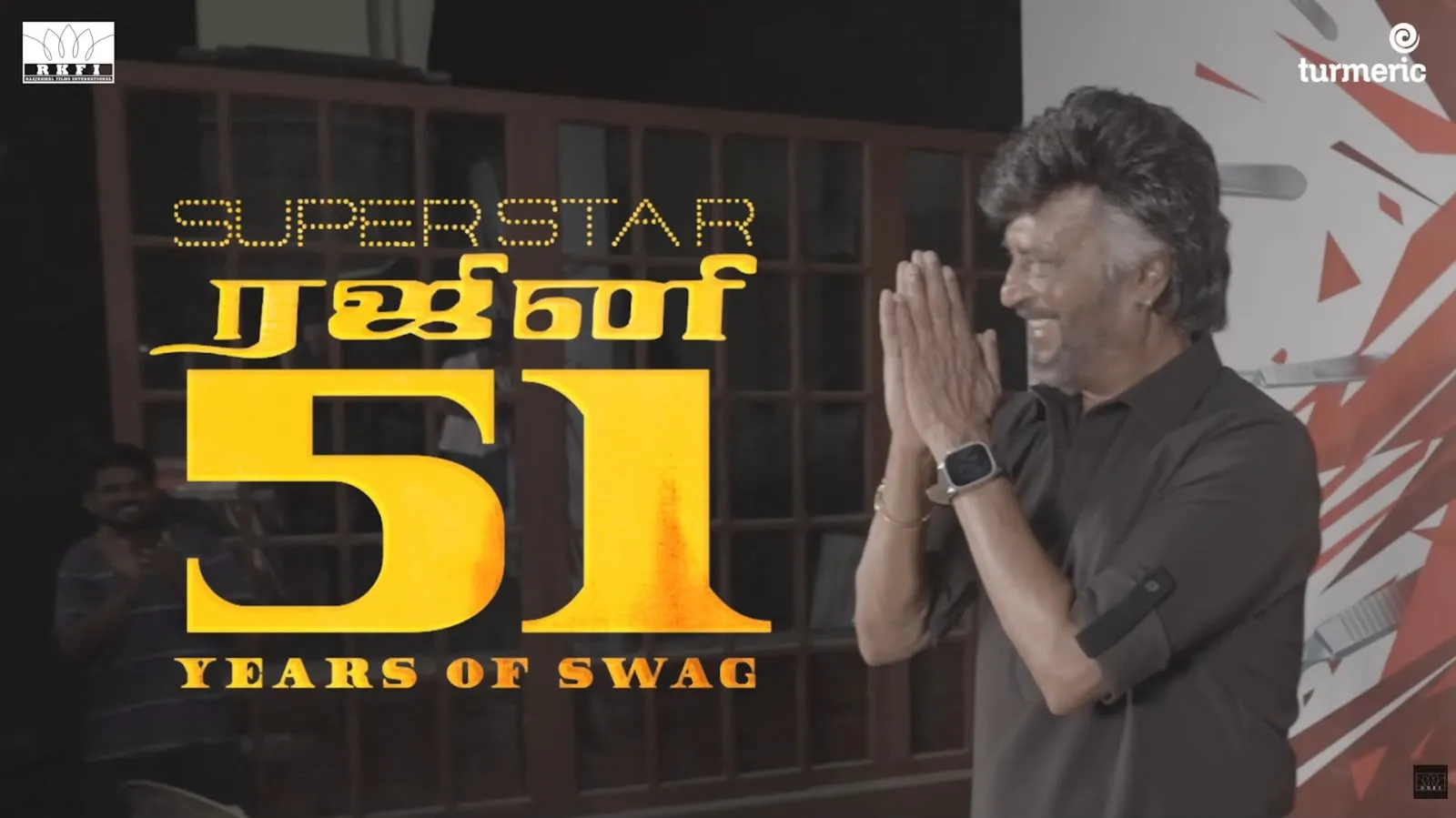
For many filmgoers, Deva’s music was already playing before Rajinikanth appeared. The title-card theme associated with the Superstar became a ritual in itself, a few seconds of sound that could set a theatre off. Annaamalai, Baashha and Arunachalam gave that partnership its lasting shape: songs for workers and romantics, swagger for the hero, and background music that understood the pleasure of waiting for him to turn around.
Vandhenda Paalkaran and Naan Autokaaran introduced men whose occupations mattered to their screen identities. The songs carried the hero out of the cinema and into everyday life. In his tribute on Saturday, former Chief Minister M.K. Stalin pointed to Tamil Nadu’s auto stands as a measure of how deeply Naan Autokaaran had travelled.
Deva arrived at that position after a long apprenticeship. Born Devanesan Chokkalingam on November 20, 1950, he grew up in Mylapore in a family with little money. In a 2018 interview with Scroll, he recalled that his father was a postman and that the family did not own a radio until he was 18. Theatre work led him to the harmonium; he later studied piano with Dhanraj Master and Indian classical music with J.B. Krishna. Devotional recordings gave him an audience before films did.
In the same interview, Deva identified Manasukketha Maharasa, released in 1989 and starring Ramarajan, as his first film. Vaigasi Poranthachu followed in 1990 and changed his prospects. Its success brought bigger opportunities, and Annaamalai in 1992 put him at the centre of a Rajinikanth blockbuster. He was already in his forties when that decisive break arrived.
What followed was a remarkable run of work. Aasai, Kadhal Kottai and Vaalee became important albums in Ajith’s rise. Vijay’s films drew on him for the romantic and youthful worlds of Ninaithen Vandhai, Priyamudan and Kushi, while Nerrukku Ner connected him with both Vijay and Suriya. With Kamal Haasan, his credits included Avvai Shanmugi, Pammal K. Sambandam and Panchathanthiram. These were the three films Kamal recalled in his condolence message, remembering how lively their time together had been.
Gaana gave Deva an immediately recognisable public identity. Laalakku Dol Dappima from Suriyan, Kavalai Padathe Sagodhara from Kadhal Kottai and Annanagaru Aandalu from Kaalamellam Kadhal Vaazhga carried the idiom into films that reached audiences far beyond the neighbourhoods where the music had grown. The genre belonged to Chennai’s communities before he entered cinema. His particular achievement was to help make its rhythms and conversational ease familiar to a much wider film audience.
The melodies deserve equal space. Pulveli Pulveli from Aasai, Nalam Nalamariya Aaval from Kadhal Kottai, Manam Virumbuthe from Nerrukku Ner and Thanjavooru Mannu Eduthu from Porkaalam are only a small part of that side of his work. A 2017 retrospective in The News Minute made the case for hearing him beyond the gaana label. The distance between a playful opening number and a tender love song was one he crossed repeatedly, often within the same album.
His career also extended well beyond Tamil cinema. The Kannada film Amrutha Varshini brought him the Filmfare award for best music director. His honours included the Kalaimamani and Tamil Nadu State Film Awards, with Vaigasi Poranthachu and Aasai among the recognised soundtracks.
He remained a singer whom younger composers wanted to record. His voice on Jithu Jilladi in Vijay’s Theri, composed by G.V. Prakash Kumar, carried that familiar energy into another generation’s star vehicle. In later years he worked as a vocalist with composers including AR Rahman, Anirudh, Santhosh Narayanan and Sean Roldan. In his June conversation with Cinema Express, he described those sessions as opportunities to listen and learn about changing musical tastes.
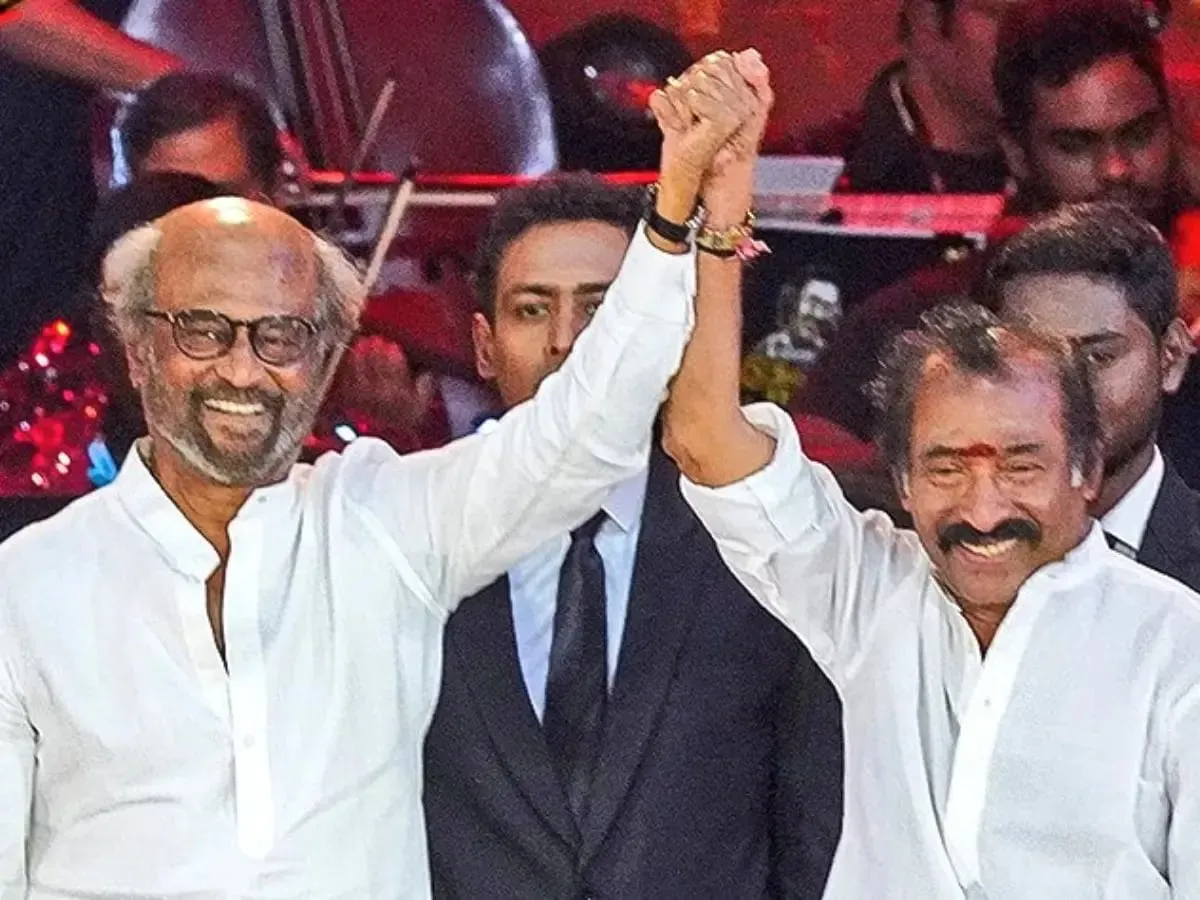
Concerts brought another kind of recognition. At his 72nd-birthday concert in Chennai in November 2022, Rajinikanth joined the celebration as an audience revisited the songs that had accompanied its younger years. In September, Deva was also among the composers announced for the Tamil Cine Musicians Union’s Reinvention Tour, a fundraising series intended to support a new home for the union.
He was still finding room for ambitions that his best-known work had not exhausted. This year’s Charukesi, directed by his Annaamalai and Baashha collaborator Suresh Krissna and starring Y.G. Mahendran as a Carnatic musician, gave him a setting for a more classically rooted score. In a June interview with Cinema Express, Deva said he had long wanted a film that would let him draw more fully on his Carnatic knowledge. Charukesi fulfilled that wish. He spoke warmly of recording Shankar Mahadevan, whose appreciation of the songs meant as much to him as an award.
The same conversation caught something of his attitude to younger musicians. He resisted the familiar complaint that music had been better in an earlier generation. He remembered how his father’s preferences had differed from his own, and accepted that tastes would keep changing. His advice to younger composers was practical: save money, prepare for the unevenness of a working life, and keep doing the work with love.
On Saturday, the tributes from Rajinikanth, Vijay, Kamal Haasan and his colleagues returned repeatedly to the person in the studio. Singers remembered being put at ease. Actors remembered his humour. Directors and producers remembered an approachable collaborator. His son Srikanth and brothers Sabesh and Murali also built careers in film music; Sabesh died in 2025.
For all the different audiences he reached, Deva’s own explanation of the job was direct. As he told Scroll: “To me, the fundamental feature of a film song is that it should immediately register in people’s minds.”
More onDeva,Tamil Cinema,Music,Rajinikanth