
S. Janaki, Nightingale of South India, Dies at 88
From Modi to Ilaiyaraaja, who fell silent mid-concert in London, the tributes trace a voice that ran through six decades and nearly twenty languages.
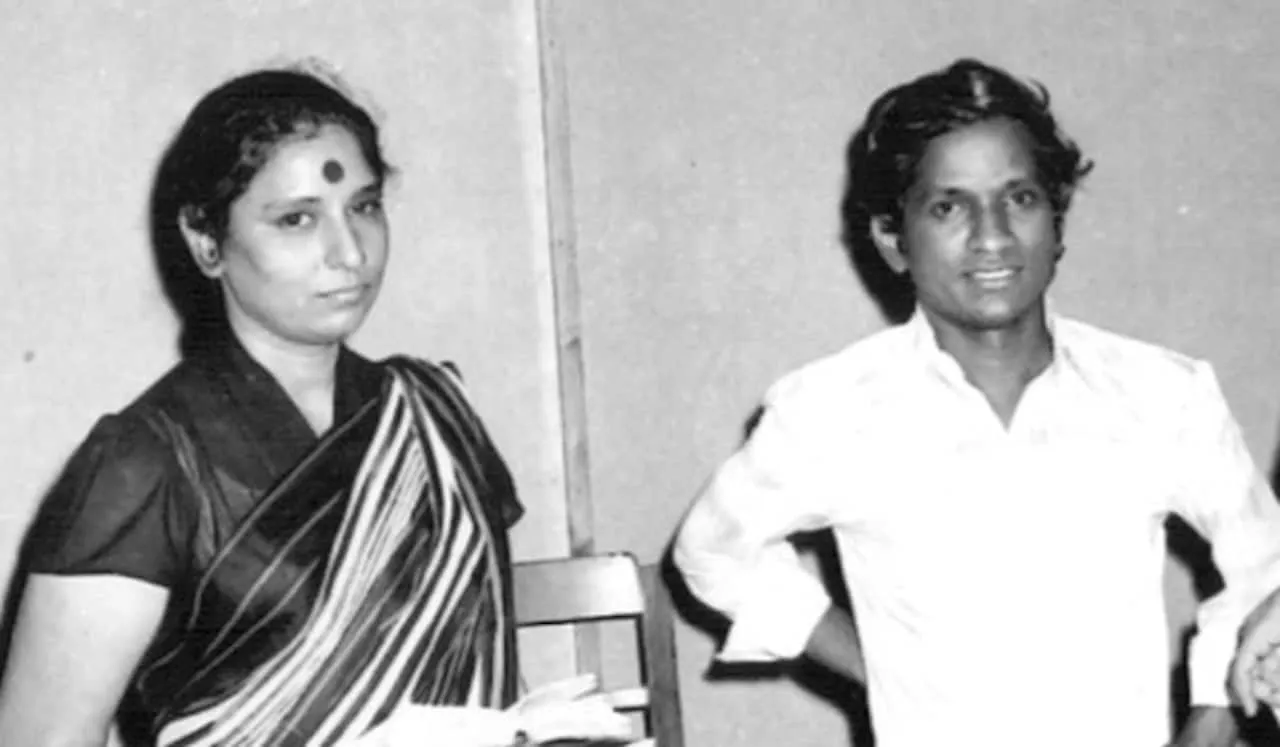
S. Janaki, the playback singer whose voice carried Indian film music for more than six decades, died on Saturday at the age of 88. Her granddaughter, Apsara Vydyula, shared the news, writing that the singer had left “peacefully surrounded by the love of her family.” The loss was felt at once from the office of the Prime Minister down to the family that simply called her grandmother.
Revered as the Nightingale of South India, Janaki recorded tens of thousands of songs across nearly twenty languages, moving between classical melody, devotional verse and folk with a range few singers have matched. She won four National Film Awards, and when she stepped away from playback in 2016 she did so having shaped the sound of Tamil, Telugu, Malayalam, Kannada and Hindi cinema across generations that never overlapped except in her voice.
Prime Minister Narendra Modi called her passing “an irreparable loss to the world of music and culture.” “Her songs in various languages were popular across generations. They gave voice to every emotion with unparalleled grace as well as versatility. Her melodies will continue to enchant listeners in the years to come,” he wrote.
President Droupadi Murmu hailed her as a musical icon, noting a career that spanned more than six decades and thousands of songs in nearly twenty Indian languages, from Hindi and Bengali to Odia, Tulu, Urdu and Punjabi. “Her timeless music will always remain valuable,” the President wrote.
Vice-President C.P. Radhakrishnan, Tamil Nadu Chief Minister Vijay and former Chief Minister M.K. Stalin all mourned her, and the film industry followed in quick succession. Rajinikanth wrote that “the voice that gave life to countless melodies has fallen silent,” calling her contribution to Indian music unparalleled. Stalin described that voice as “a gift to Tamil cinema and beyond.” Kamal Haasan, Silambarasan and Anirudh were among the many others who paid their respects.
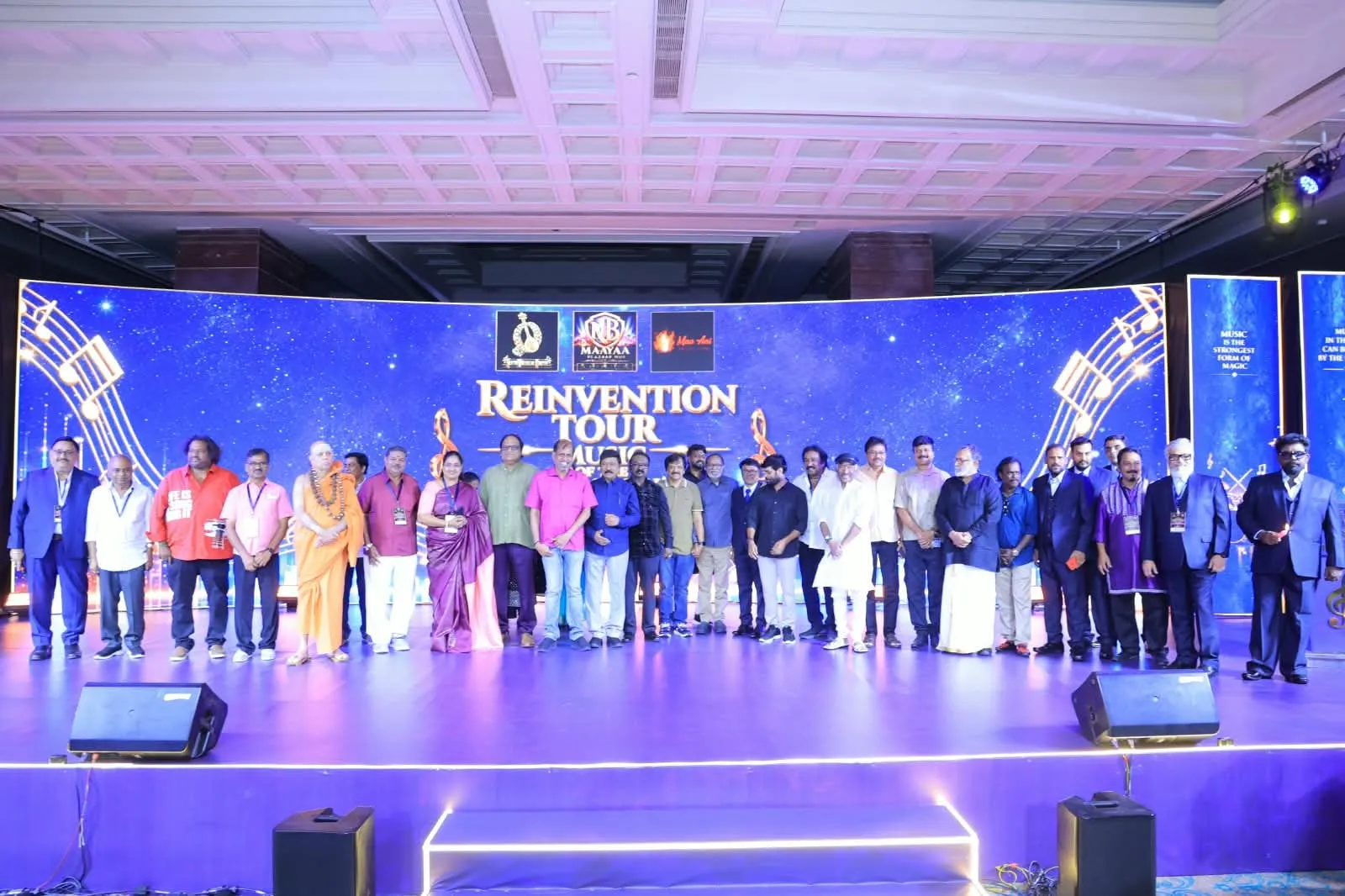
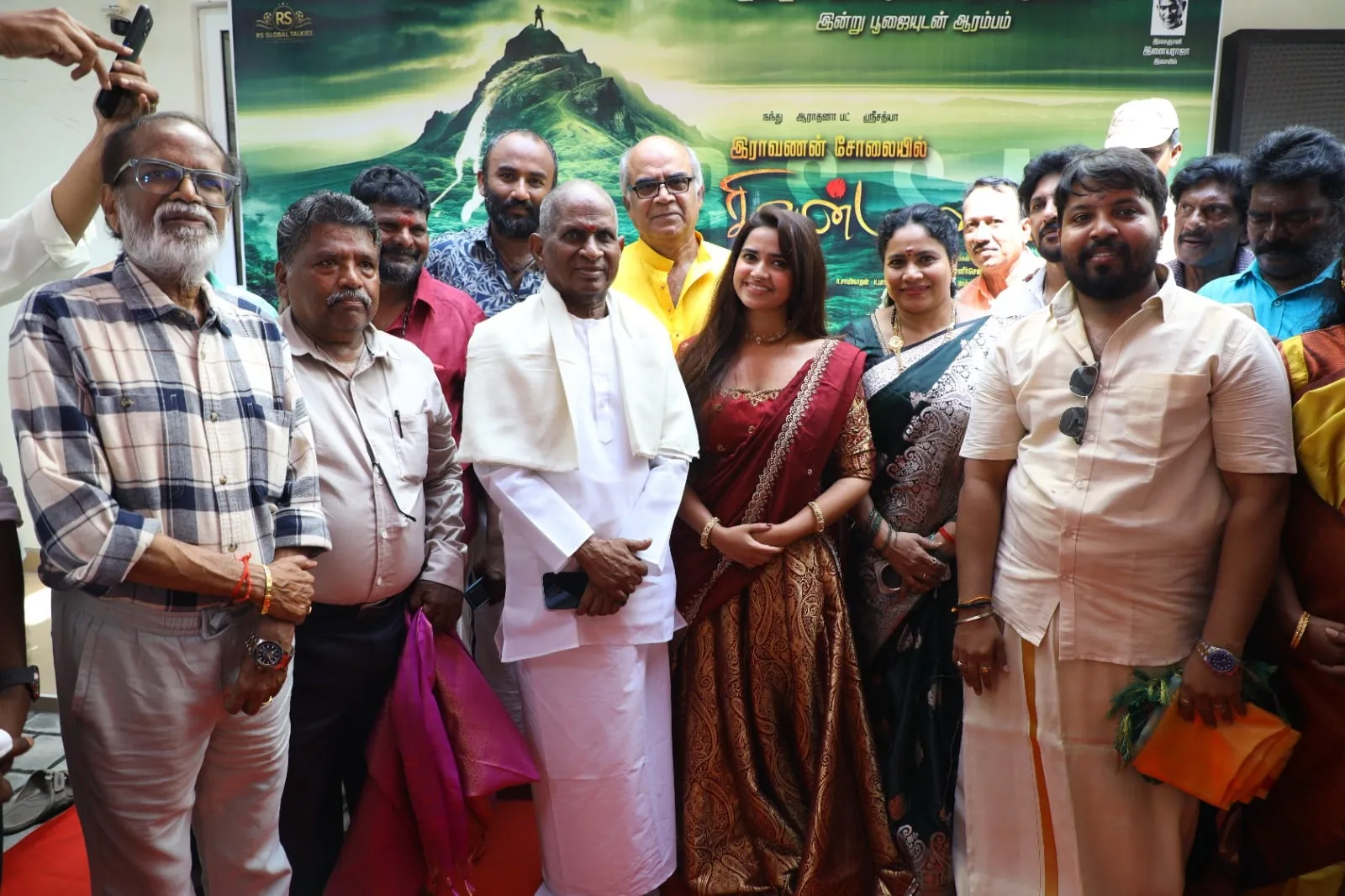
The most personal tributes came from the people who had stood at the microphone beside her. Ilaiyaraaja, who was in the middle of a European tour, stopped a concert in London to ask the audience for a minute’s silence. “S. Janaki has reached the feet of God,” he told them. “She worked so hard. In my fifty-year journey in music I have worked with her on countless songs. Her loss can never be filled.” Thousands of the songs that defined his era were sung in her voice.
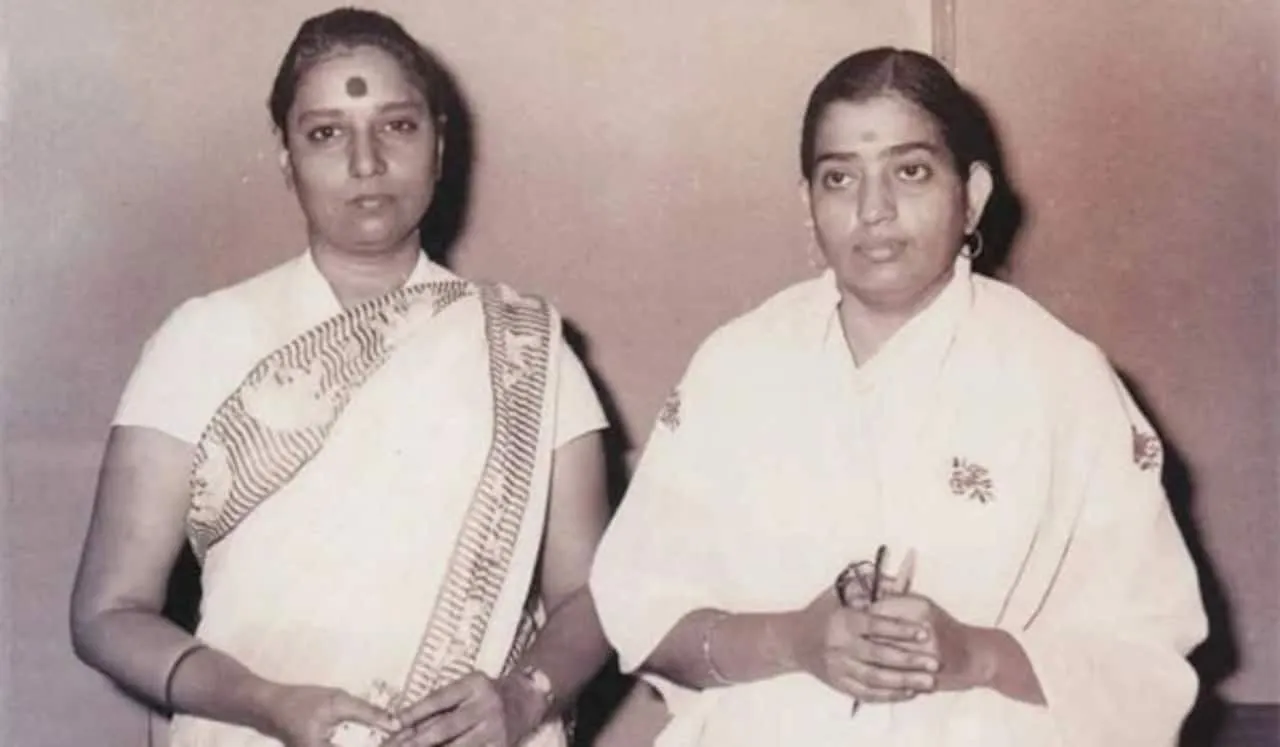
P. Susheela, her contemporary across half a century of recording studios, was even less able to hold the grief at arm’s length. “This is one of the deepest, saddest days of my life,” she wrote. “Beyond a celebrated fellow artist, I have lost my true friend and my sister. For nearly fifty years we shared countless melodies in many languages, and a beautiful bond that lasted a lifetime. Her going has left a great void in the world of music. My dear Janaki, you will live forever in the hearts of millions.”
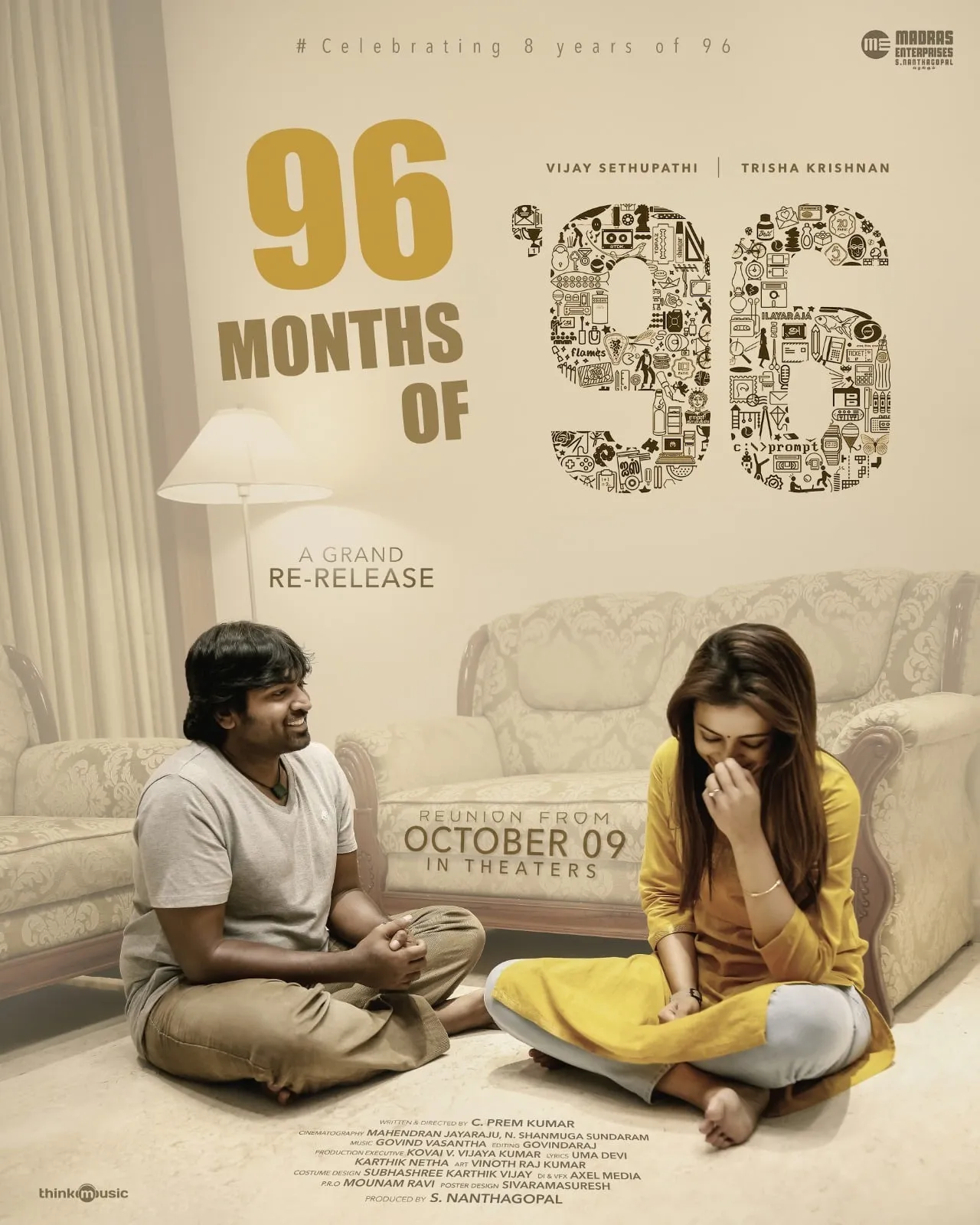
For a younger generation, Janaki’s name lives inside a film. Trisha, whose character in 96 was named Janaki, wrote that “carrying your name in one of my most special films will forever be one of the greatest honours of my life.” “Thank you for your hugs, your kindness, your laughter, and for always reminding me that the greatest artists are the humblest souls. Your voice will live forever. Rest peacefully Janaki Amma. I will miss you terribly,” she added.
Amid the national mourning, her family asked to be allowed to grieve quietly. “To the world, she was an iconic voice whose songs became part of countless memories,” Apsara wrote. “To us, she was a loving grandmother whose warmth, humility, kindness and grace will remain with us forever.” The voice belonged to a nation now; the grandmother belonged to them.
More onS. Janaki,Ilaiyaraaja,P. Susheela,Trisha