Sasikumar assumed he was Mani. Vadhandhi 2 handed him a badge.
Thirty-plus films in and nobody had cast him as a policeman. Andrew Louis needed four years and three scripts to arrive at Moosa Raza.
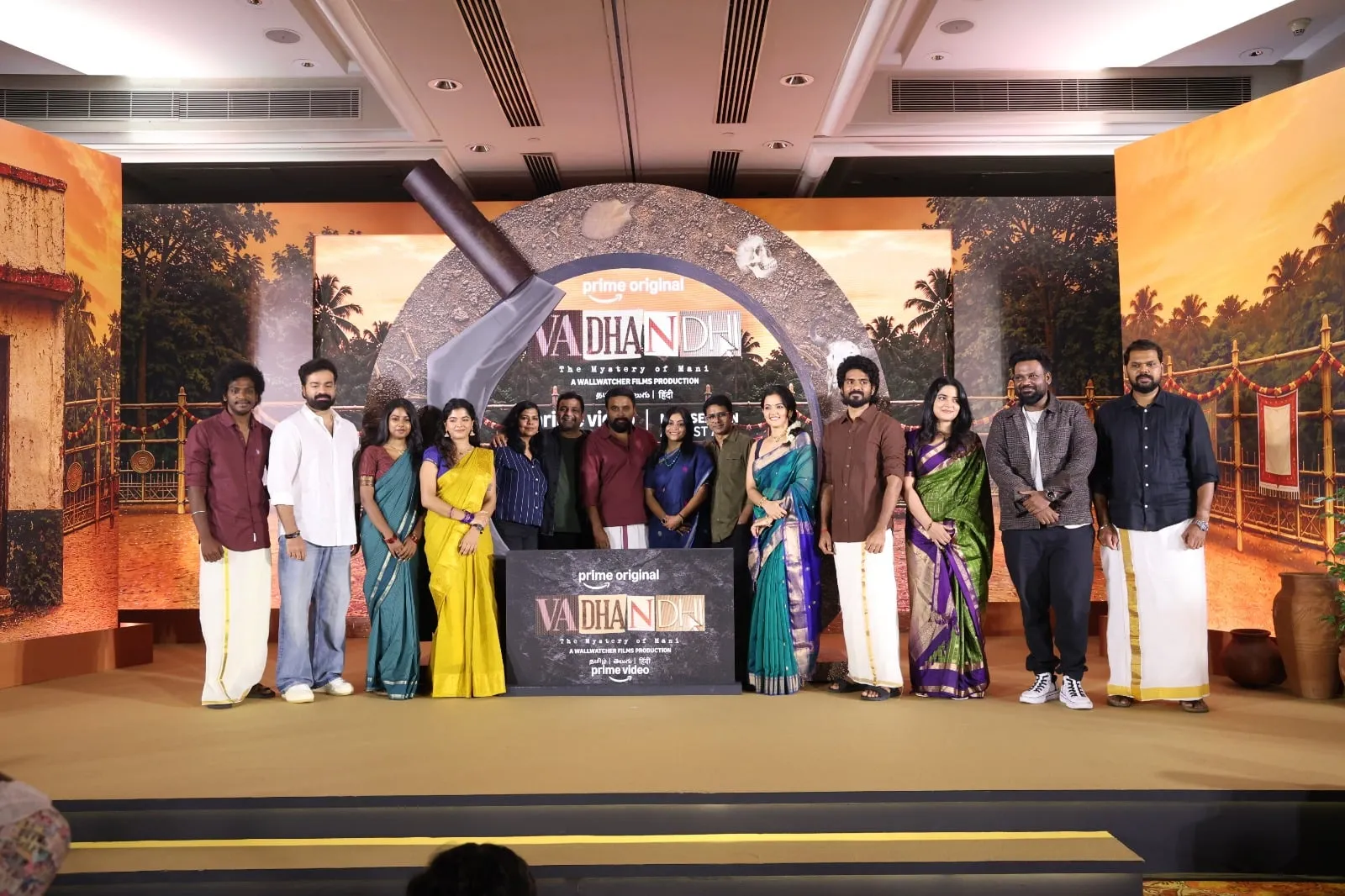
Sasikumar heard the title Vadhandhi Season 2: The Mystery of Mani and did the arithmetic every Tamil audience would do. Madurai. Sasikumar. A character called Mani. Obviously he was playing Mani.
He asked Andrew Louis to confirm it. Then he asked again.
“Because of films like Subramaniapuram, audiences usually associate me with rugged, rowdy-type characters, so I initially thought the story would be along those lines,” he said in Chennai on Saturday, five days before the series arrives on Prime Video. “But Andrew Louis surprised me by saying that I would be playing the police officer, and that made me very happy. Audiences have seen me in many roles, but this is the first time I am playing a police officer.”
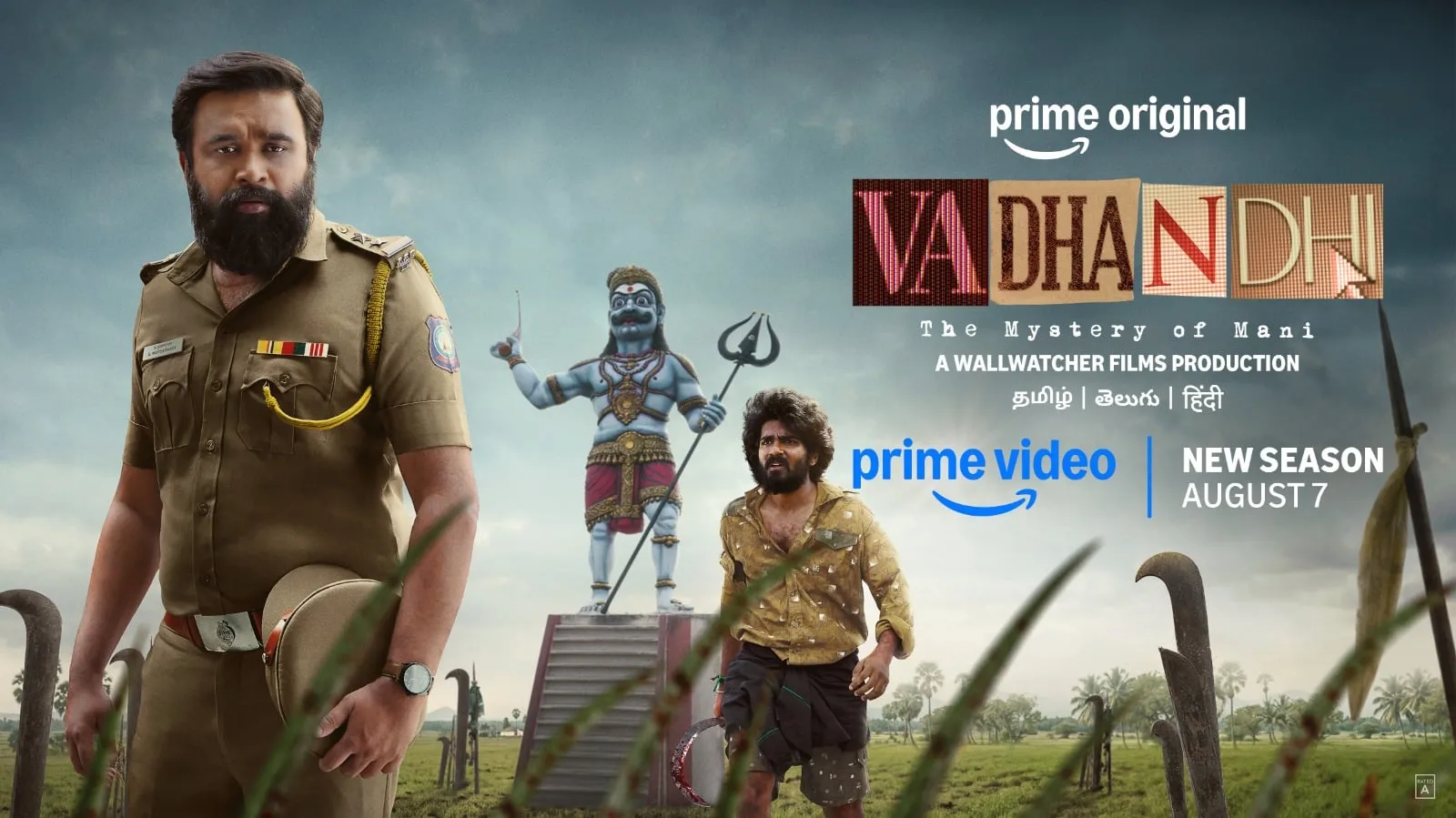
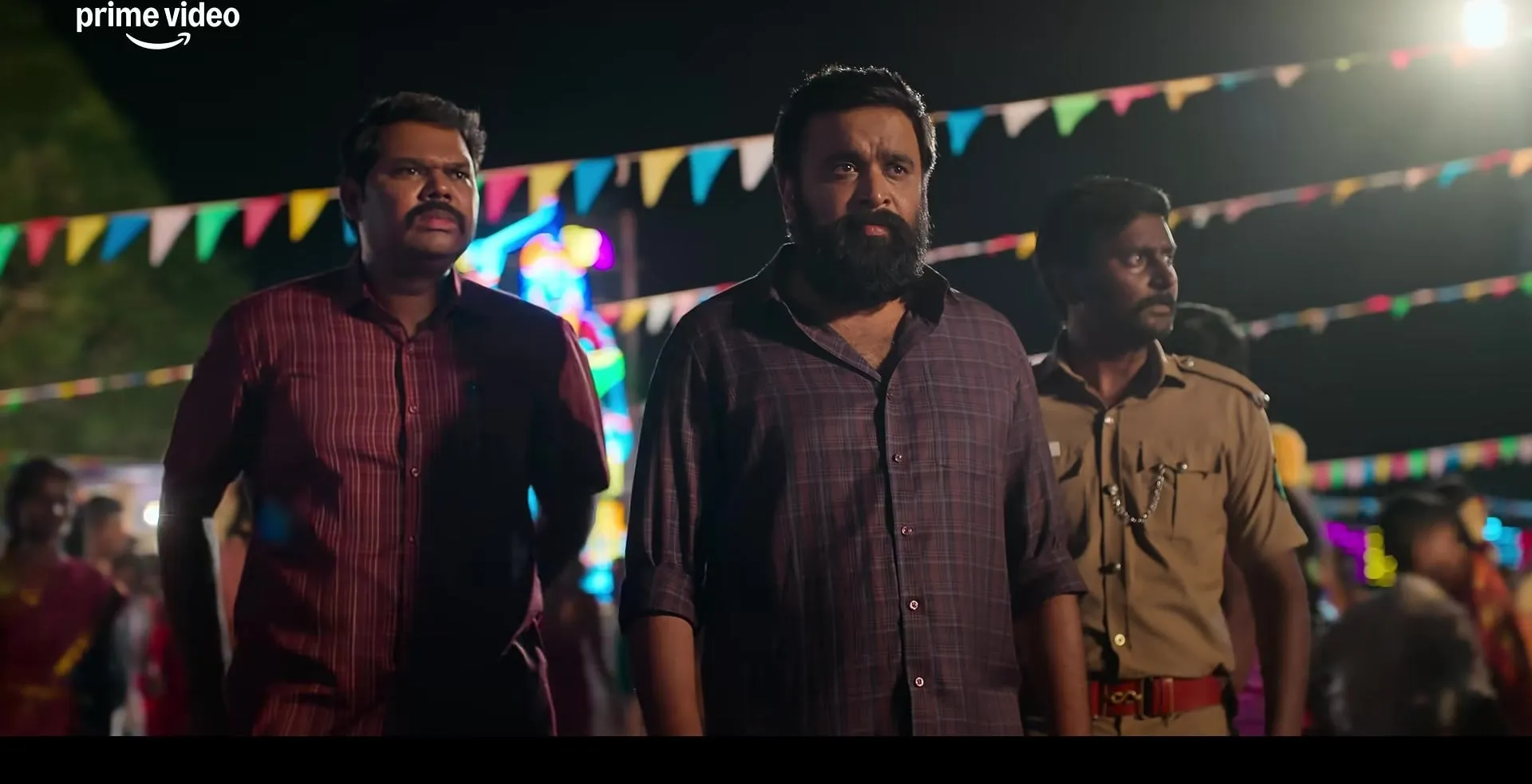
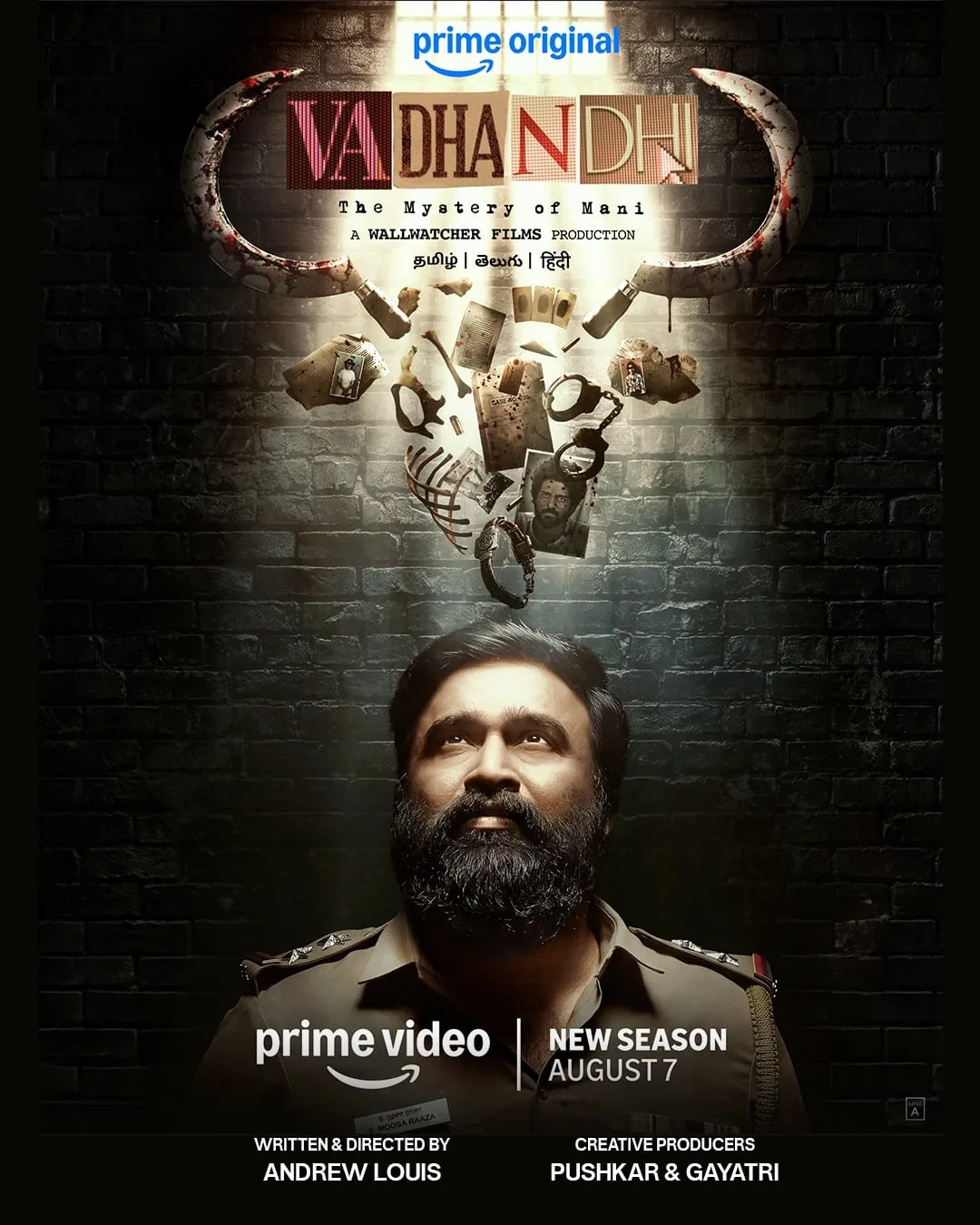
Thirty-odd films into a career built on Madurai soil, nobody had thought to put him in khaki. The eight-episode series, streaming from 7 August, casts him as SI Moosa Raza, a sub-inspector working a case in which the pressure runs the opposite way to the genre’s usual current.
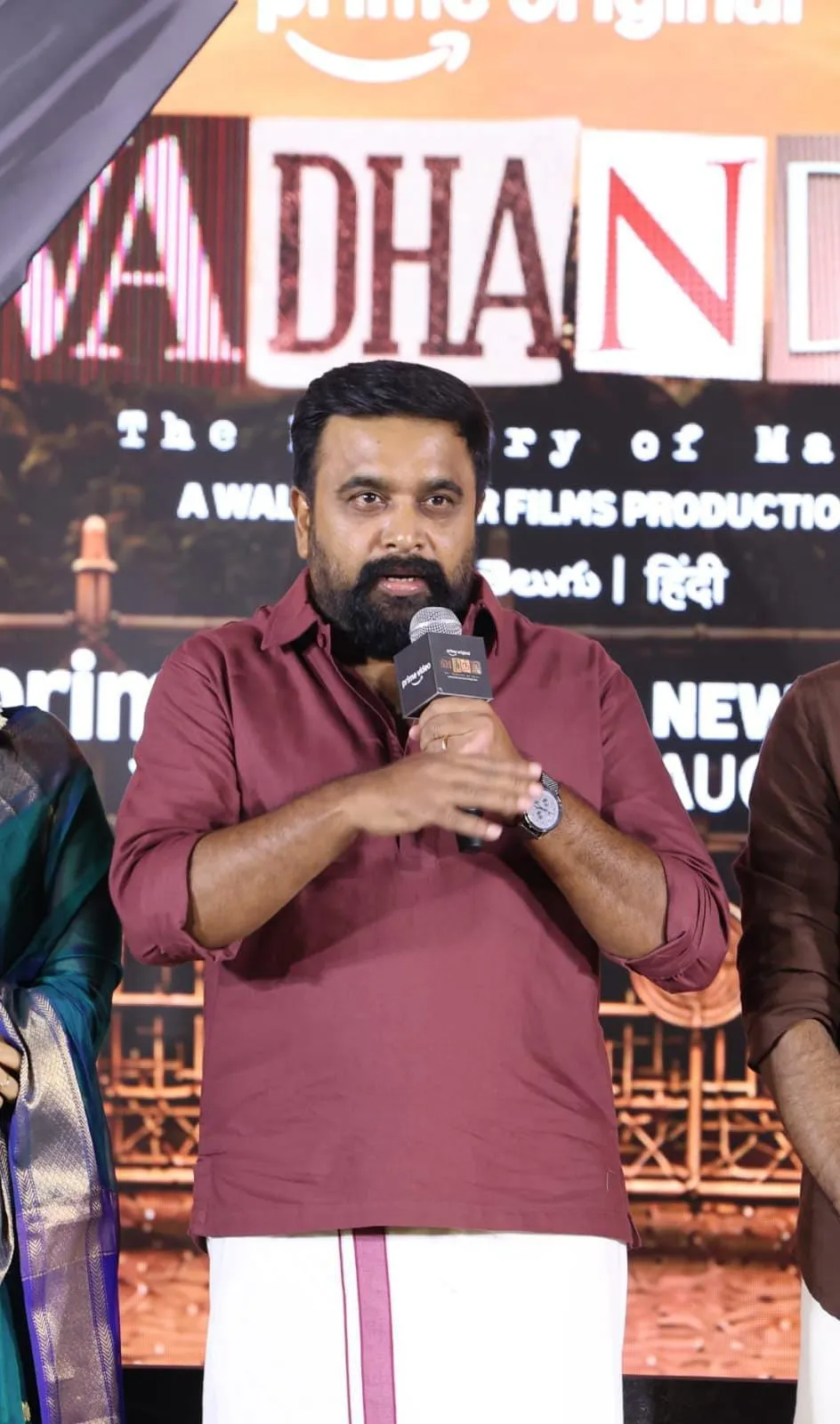
“In investigative thrillers, the urgency is always about catching the criminal,” Sasikumar said. “Here the hero is the one in trouble. The tension comes from a policeman trying to find the real culprit so he can set an innocent man free.”
The performance note he was given was the opposite of the one he expected. No stride, no swagger, no uniform-as-armour. Andrew Louis kept reminding him that Moosa Raza was an ordinary policeman from Madurai and should look and behave like one, and that he does not smile. Any accidental grin on set got flagged. Sasikumar says it took two days before the restraint stopped feeling like a constraint. He also thinks the role changes what people will offer him next: after this, he expects to play a lot more policemen.
He had one other correction to make. Gayatri had just told the room she watched Subramaniapuram on its first day at Udhayam Theatre in Chennai and came away thrilled. Sasikumar took the microphone and gently noted that Subramaniapuram actually released after Oram Po, which Pushkar and Gayatri themselves made. He wanted the record straight.
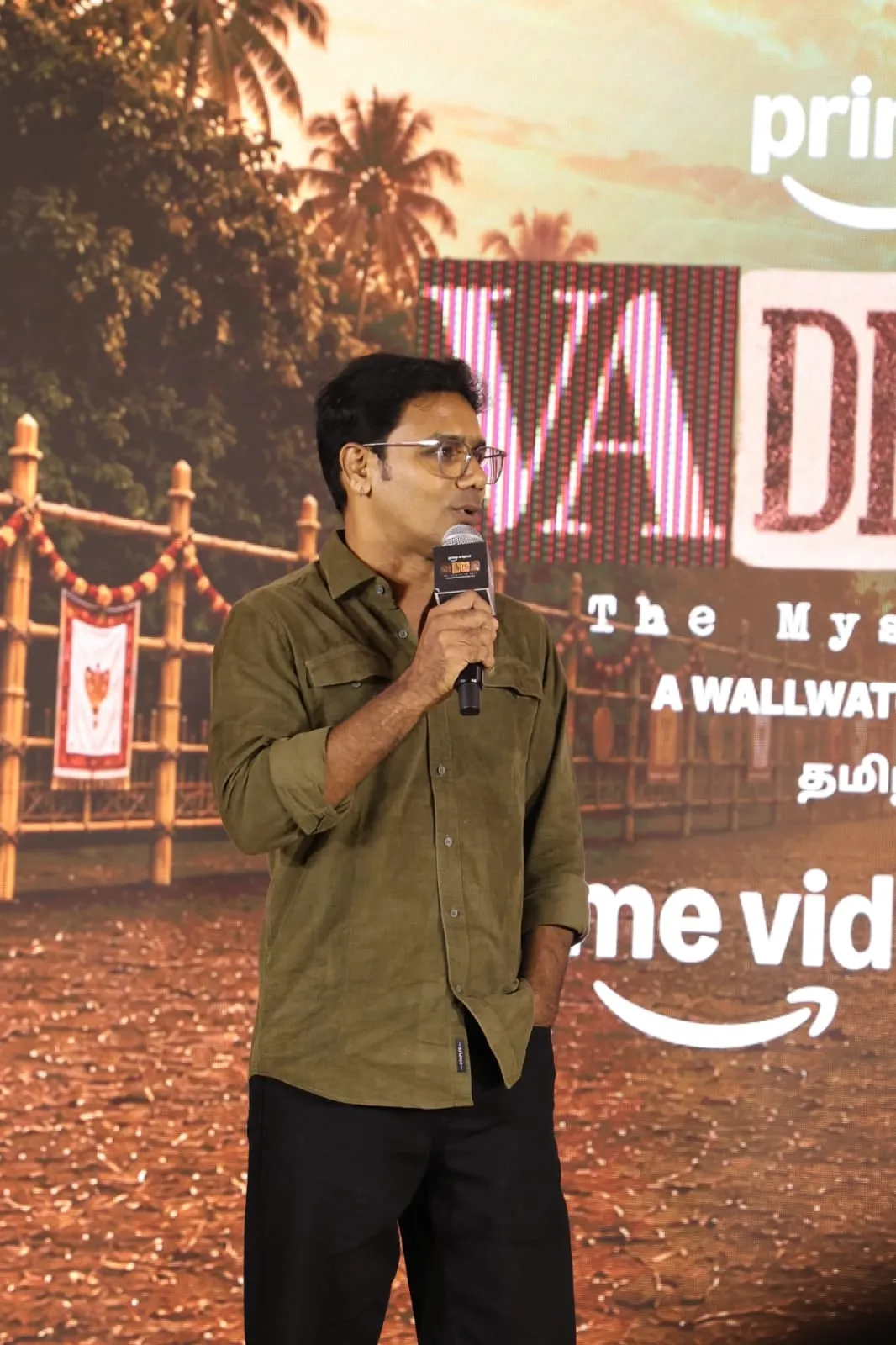
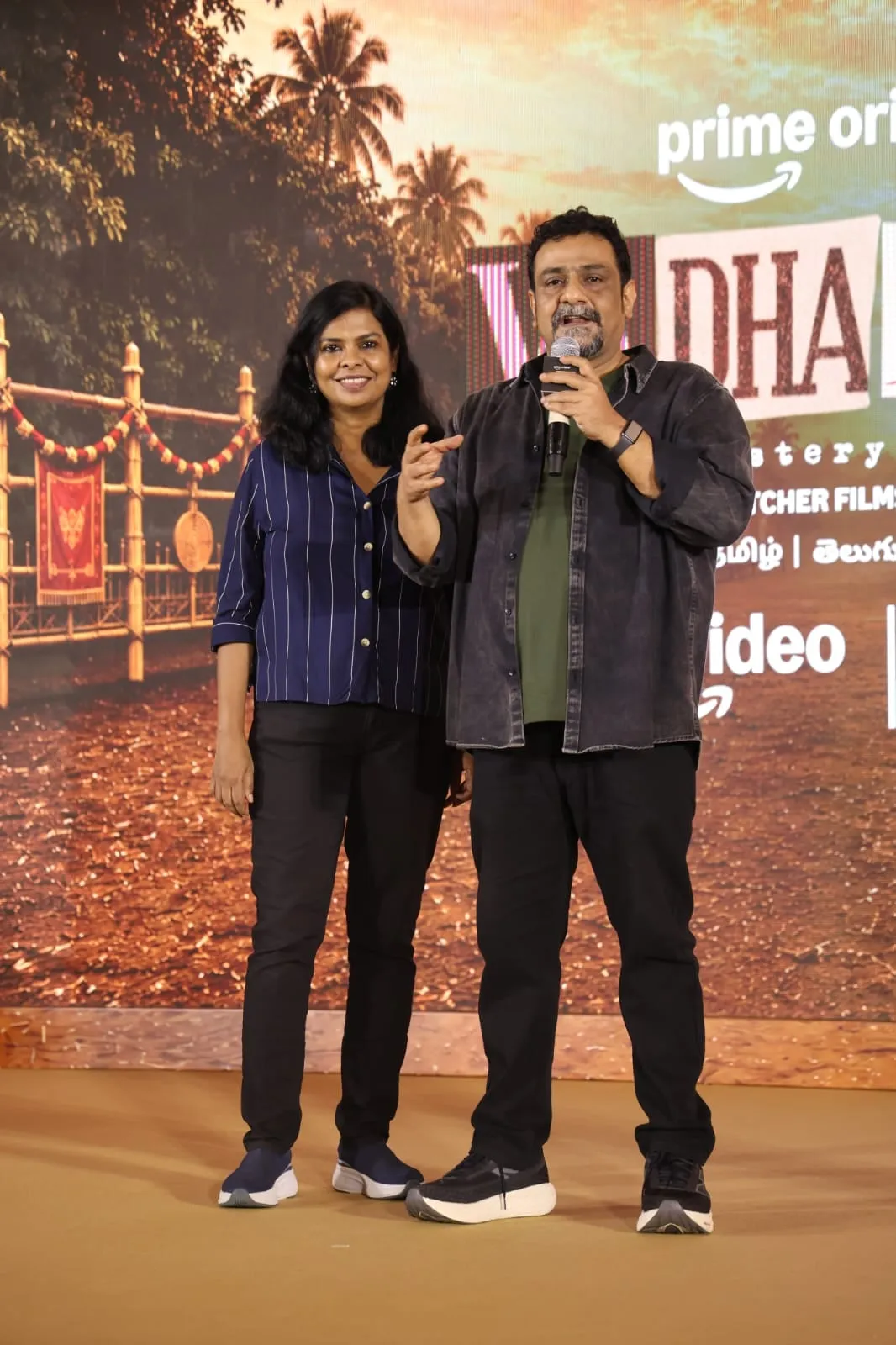
Four years separate the two seasons, and Andrew Louis is straightforward about why. The story that reached the screen is the third one he finished writing for a second season. He also refused to make it a continuation: Season 1 and Season 2 were designed from the start as standalone stories sharing a title and an emotional register, nothing else.
“Lifting a stone when nobody is watching is not an achievement,” he said of following an unheralded first season that turned into a hit. “Lifting it while everyone is watching is the difficult part.”
His pitch to Sasikumar was deliberately incomplete. He travelled to Madurai and narrated roughly half the story, no more. Sasikumar agreed on the spot and told him to go finish it. Only then did Andrew Louis go back and rebuild Moosa Raza with a specific actor’s face and rhythm in mind, which he calls the single biggest structural difference between the two seasons.
He is not from Madurai, so he moved there for several months before locking the screenplay, living among the people whose behaviour he wanted to get right and folding what he observed into small details rather than big declarations. The shoot itself ran 43 consecutive days across Madurai, Karaikudi, Ramanathapuram and Trichy, with the crew working 18-hour days to compress what he describes as three films’ worth of material into one feature’s schedule.
He also went out of his way to name S.J. Suryah, whose performance carried the first season. Andrew Louis calls himself Suryah’s student and says the actor has treated him as one ever since, mentoring him well past the point of obligation.
Pushkar and Gayatri, who back the series through Wallwatcher Films as creative producers, had their own reason for saying yes early. Andrew Louis brought them the germ of a second season while he was still writing the first, with the Madurai setting already attached. What amused them was the arithmetic that setting usually implies.
“Madurai and Sasikumar, but no aruval, no knife, no blood,” Pushkar said. “That was the first pleasant shock.” Spend five minutes with the actor, he added, and the fit becomes obvious: soft-spoken, unfailingly polite, incapable of raising his voice.
Gayatri put it more simply. Madurai instantly reminds people of Sasikumar, which is exactly why casting him against the expectation the city carries makes the series worth watching.
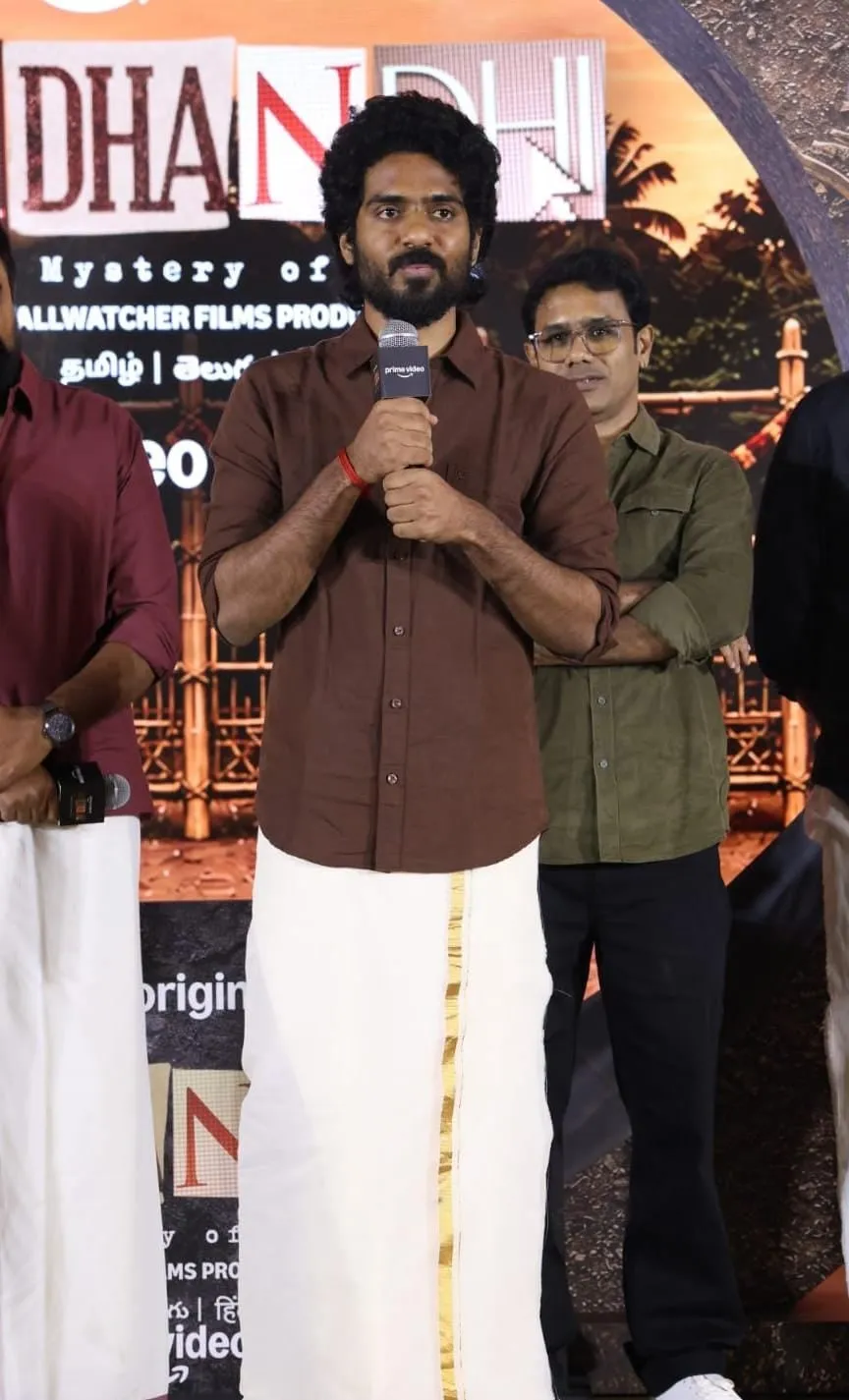
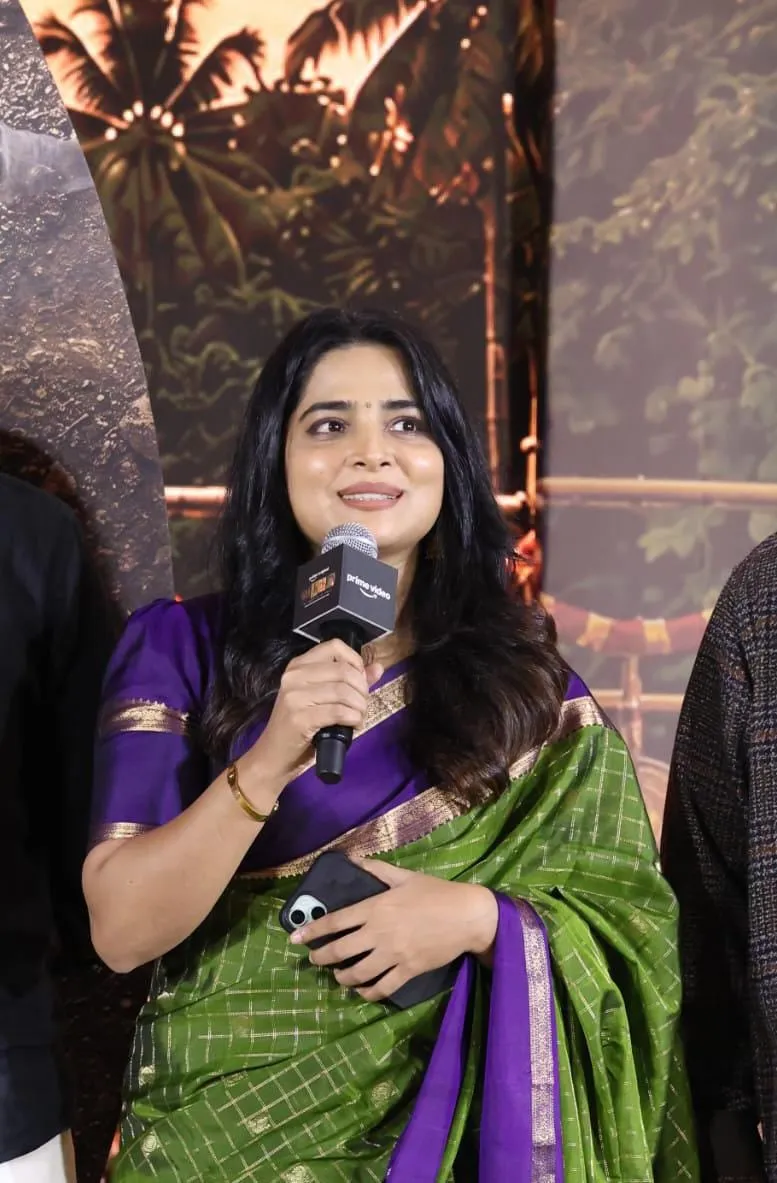
The season leans heavily on faces the audience has not seen before. Yashwanth, making his debut, carries one of the largest parts in it, and says he did not expect a first-timer to be handed that much material or that much latitude with it. He also sings one of the season’s songs. Anagha, cast as Leelavathi, admits she hesitated before signing on and needed the director to talk her through the character before she understood what it was doing in the story. It is her second outing with Sasikumar after Garudan.
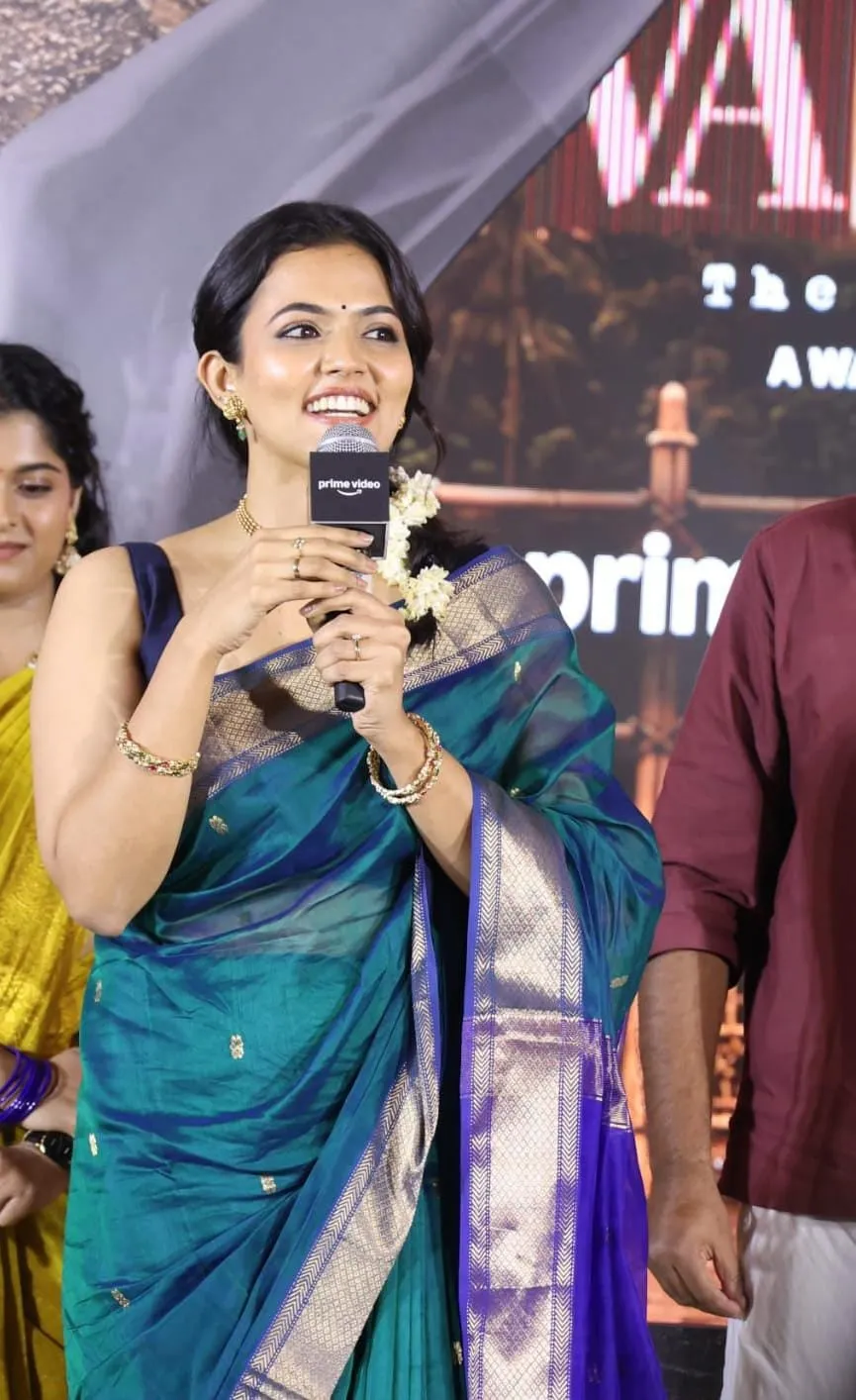
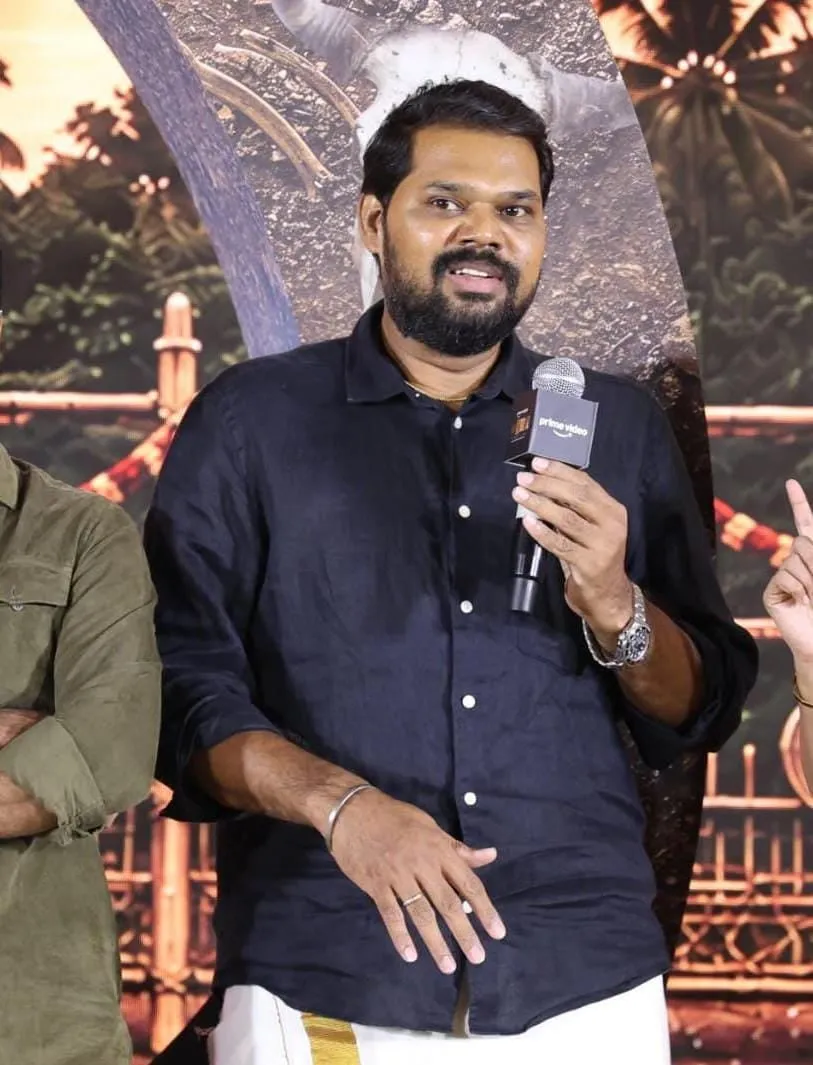
Aparna Das, back in Tamil after Dada, plays Sumaiya, wife to Sasikumar’s Moosa Raza. She describes it as a small part and a completely new kind of experience, and she is candid about the fan-first thrill underneath it: she has loved Sasikumar since Subramaniapuram, specifically the way he nods along in Kangal Irandal, and had wanted to share a frame with him ever since.
Vivek Prasanna is the one returning presence from the first season, and he came with the best anecdote of the afternoon. Andrew Louis sends the cast scripts for the first seven episodes well in advance. The eighth he holds back, on purpose, until the day before it shoots.
“I have read many scripts in my career, but Andrew Louis’ writing is one of the few that genuinely excites me,” he said. “He keeps all of us curious about how the story ends. I am waiting, just like the audience.”

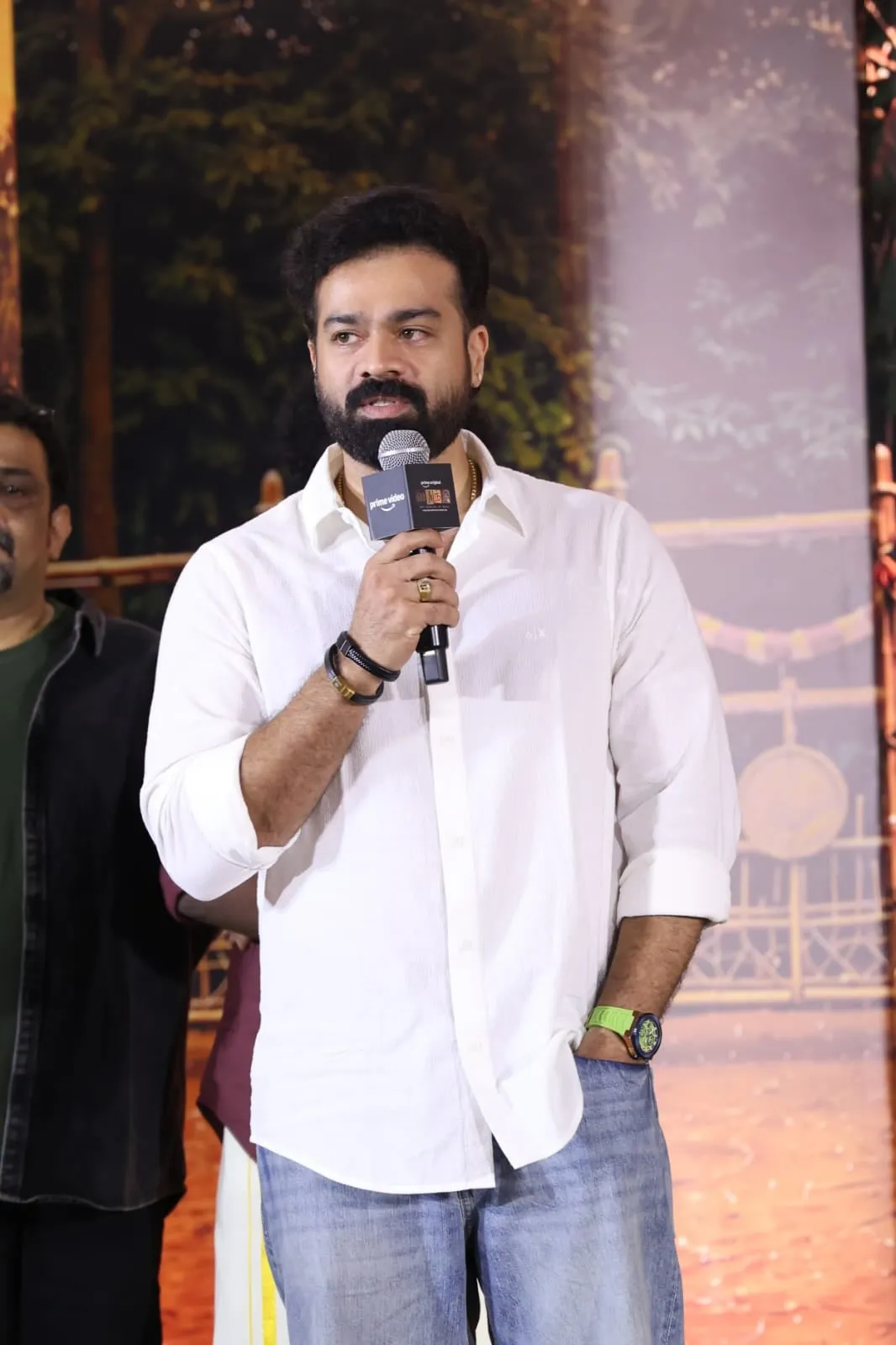
Revathy Sharma thanked the team for a first opportunity of this size and said she believes she has done her part well. Arjun Nandhakumar, for whom this is both a first Tamil project and a first web series, called working under Andrew Louis and inside the Wallwatcher setup an unusually gentle way to start.
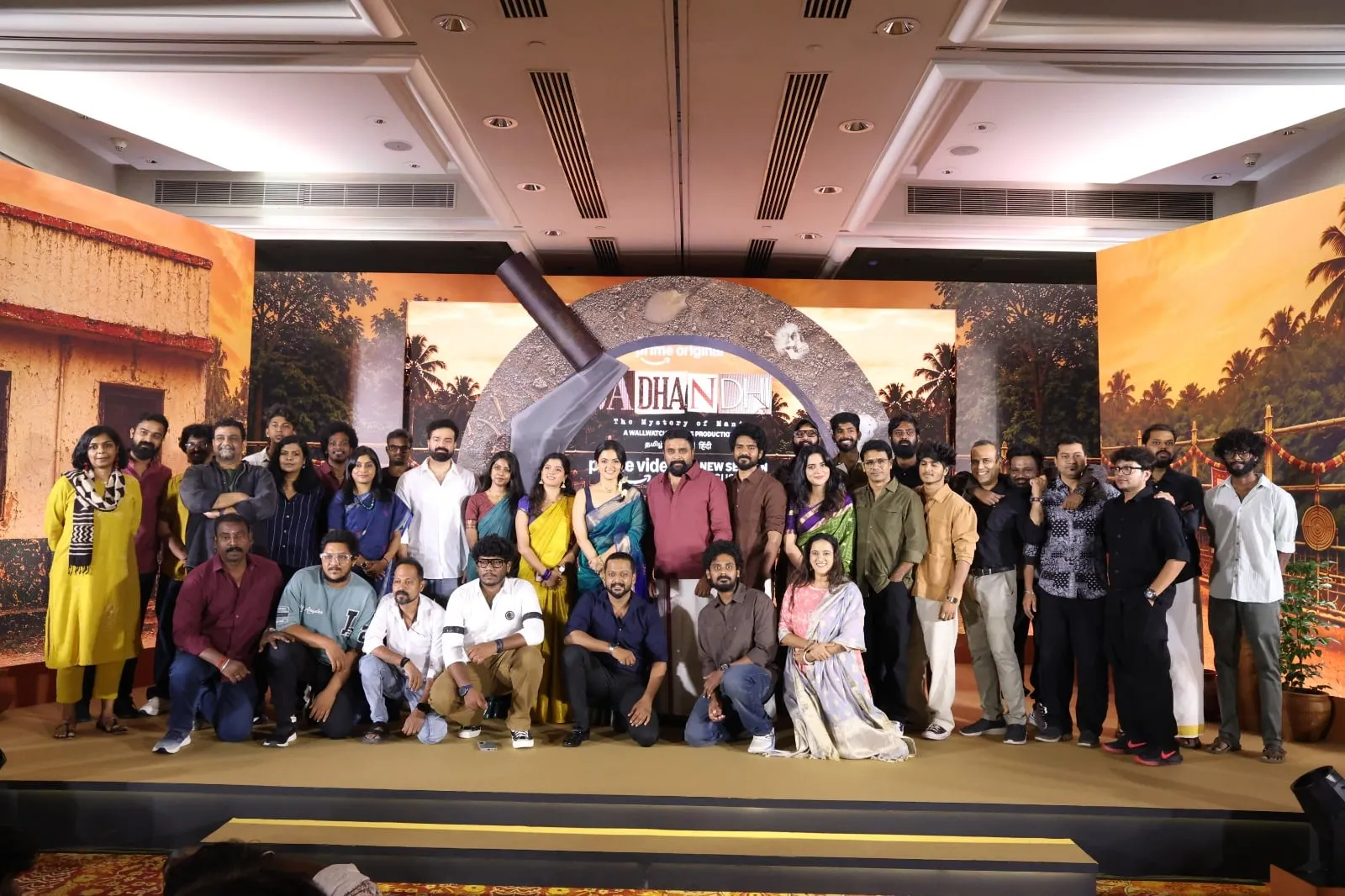
Composer Simon K. King treated the two subtitles as his brief. The Fable of Velonie and The Mystery of Mani are different promises, he argues, and the scores had to be different in kind rather than in degree: different story, different landscape, different sound. The bigger change is structural. Season 1 had no songs at all. Season 2 has two, and they bring in a new lyricist, Mani Romeo.
Andrew Louis returned the compliment, calling Simon another hero of the series and crediting the background score with carrying stretches of narration on its own.
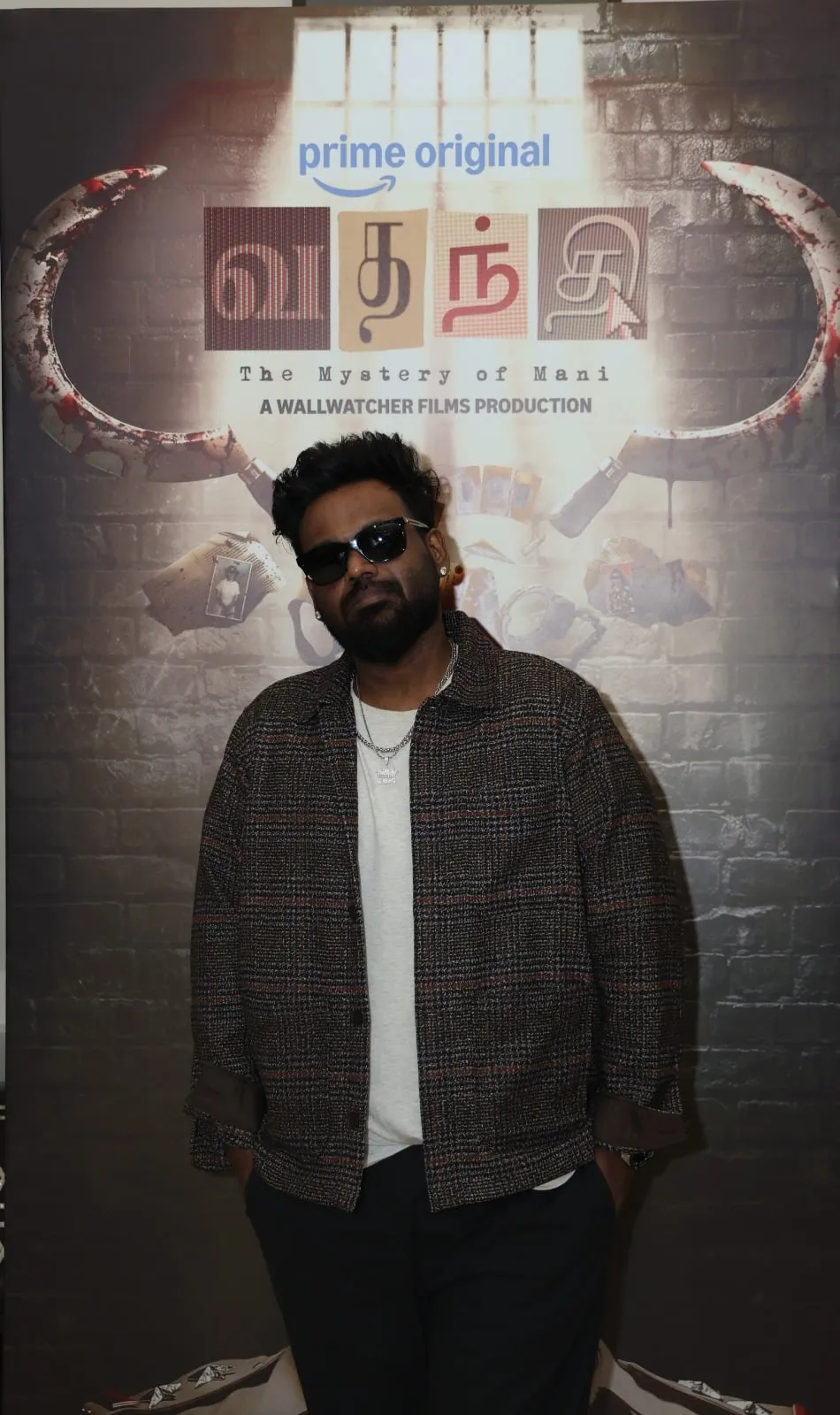
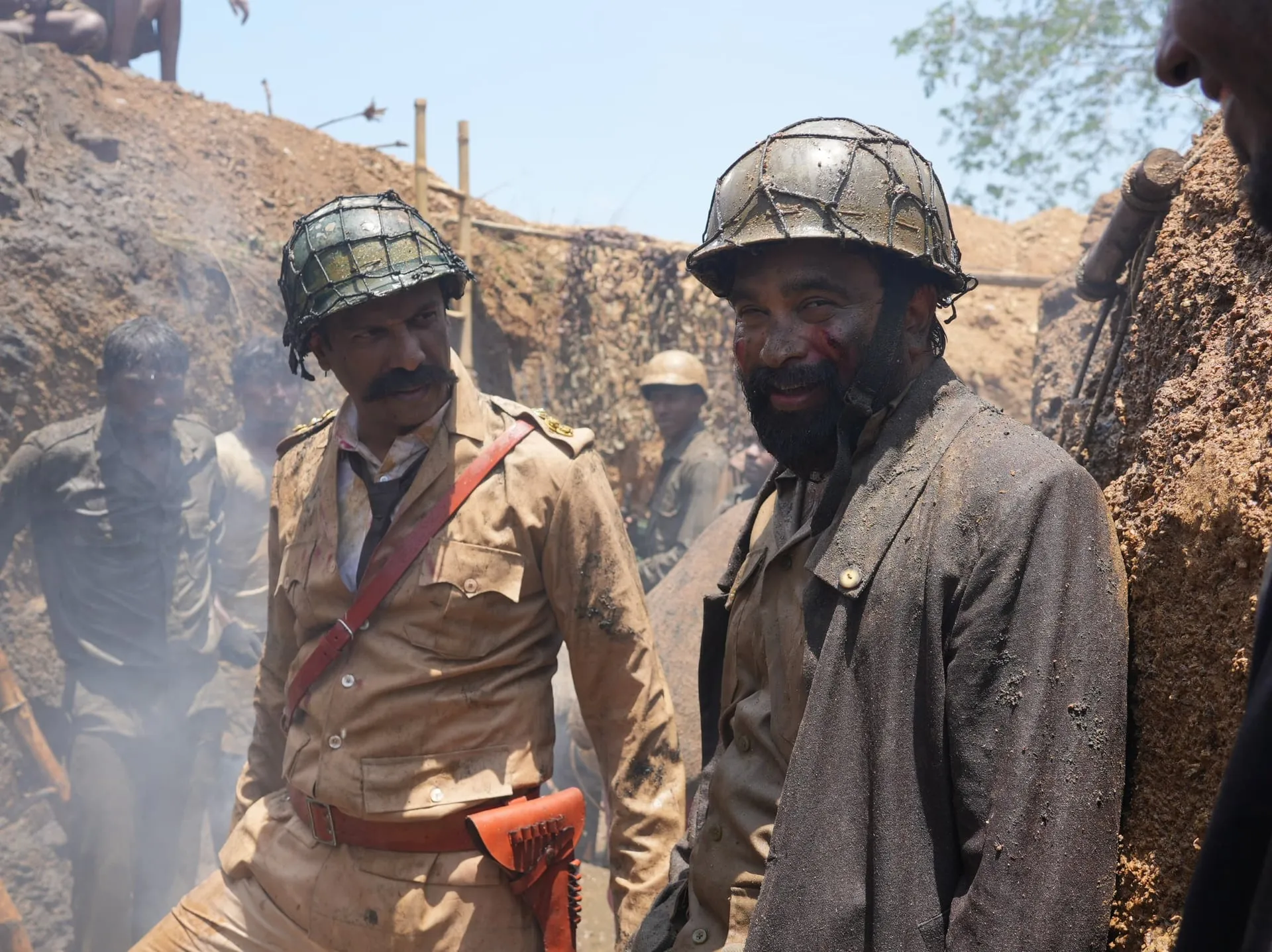
Vadhandhi Season 2: The Mystery of Mani streams from 7 August on Prime Video in Tamil, with dubs in Telugu and Hindi and subtitles in more than 15 languages, across India and over 240 countries and territories. It joins a Tamil slate on the service that has grown quickly this year, from Sarkunam’s Exam to the returning Inspector Rishi, and it lands in a busy stretch for Sasikumar himself, who has My Lord behind him and a war drama with Dharani Rasendran wrapped and waiting.
More onVadhandhi,Sasikumar,Prime Video,Andrew Louis