Baththa success meet: Atlee wants to revive Marudhanayagam
Vijay Sethupathi says Atlee backed a story other producers turned down, and Sai Abhyankkar thinks two or three of the Baththa cast deserve national awards.
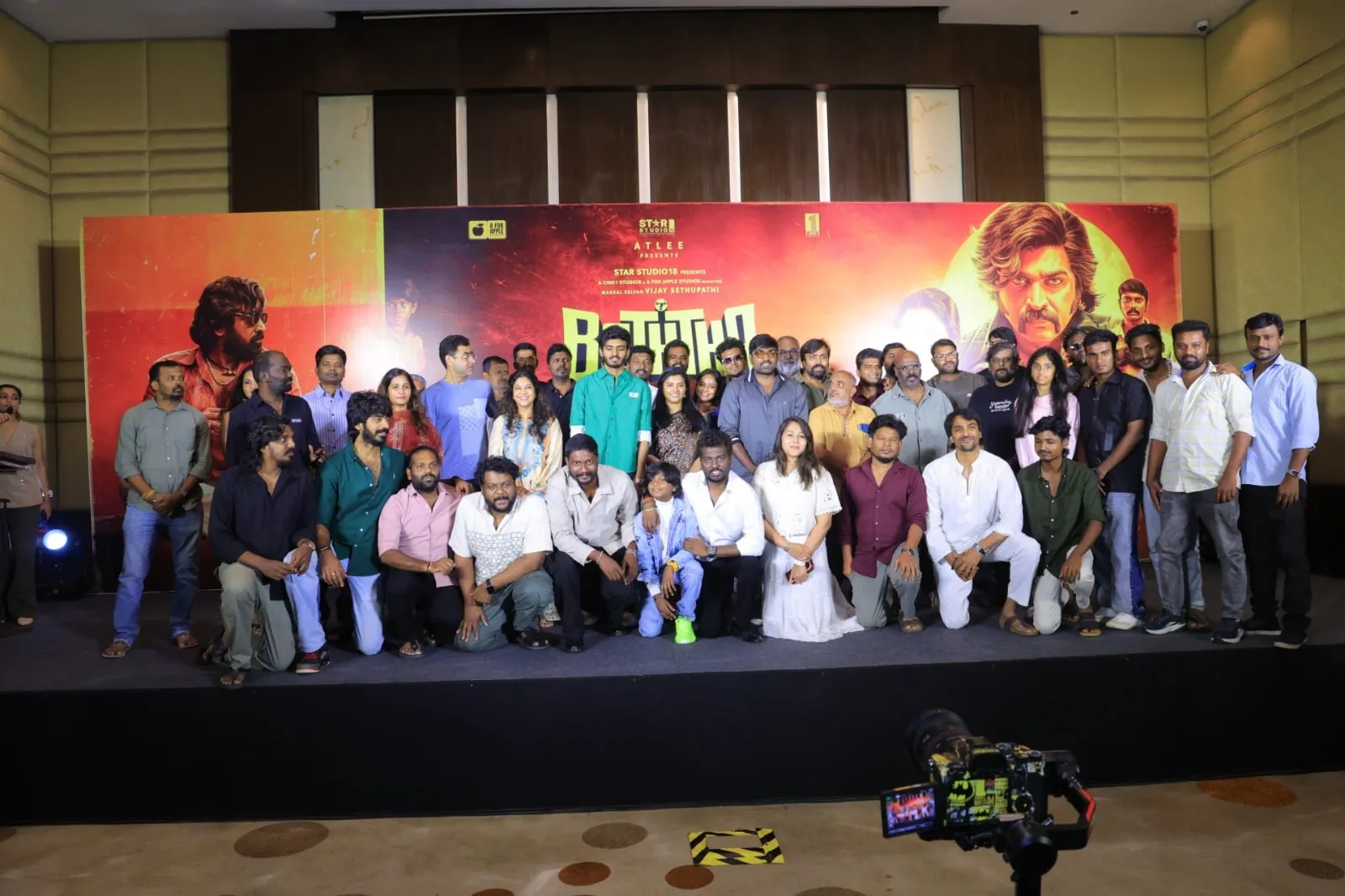
Atlee has a wish he is not shy about. If the chance ever comes, he said, he would like to restart Marudhanayagam, Kamal Haasan’s long-shelved epic, with Kamal and Vijay Sethupathi together. He said it as Baththa, the film he presented and co-produced, settled into its first week after the October 1 release, with the team saying more screens have been added, and with a room full of its cast and crew lining up to thank one another.
The wish came at the end of a long, emotional speech. “People call me arrogant,” Atlee said. “I want to be fair, and I want the people around me to do well. If that honesty and confidence is arrogance, so be it.” He reached for a kitchen metaphor to explain Baththa’s hero: milk that spoils becomes curd, curd that spoils becomes ghee, and each turn makes it more valuable. Bad experiences push people to the next stage, he said, and that is Baththa’s story.
He spoke about his own path too. As a boy, he said, nobody would have believed he would direct Vijay, or Shah Rukh Khan; they would have laughed. “I am dark, I come from near Madurai, and some people find that funny. I don’t care. I keep walking my road.” He called Sethupathi a good man before a good actor, someone Rajinikanth and Shah Rukh talk about, and promised to take him higher still. He thanked co-producer Murad Khetani for joining the project on his word alone.
Sethupathi opened his speech by saying he felt feverish. “When I am very happy, I get a fever,” he said, to laughter. He compared screening a film for the press to a husband waiting outside a labour ward. “When you come out smiling, our whole garden blooms.” He thanked audiences and his fans for embracing Baththa as their own film, carrying it across social media and defending it to anyone who argued otherwise.
He was candid about how hard the film was to set up. Other producers did not believe in the story, he said; Atlee did. “Cinema is a business, I am not complaining about that.” Some asked about Balaji Tharaneetharan’s last film and what it had earned, and Sethupathi’s answer was that all three of Balaji’s films, Naduvula Konjam Pakkatha Kaanom, Seethakaathi and now Baththa, are excellent. He got a laugh recounting how he had wanted a role in Balaji’s Oru Pakka Kathai, only for the director to look at his face and decide the part needed a college student. On Seethakaathi, Balaji had told him the story was meant for Kamal Haasan, Amitabh Bachchan or Mohanlal, and Sethupathi did it anyway. “Even when a street dog is beautiful, we won’t admit it. We only want a German Shepherd.”
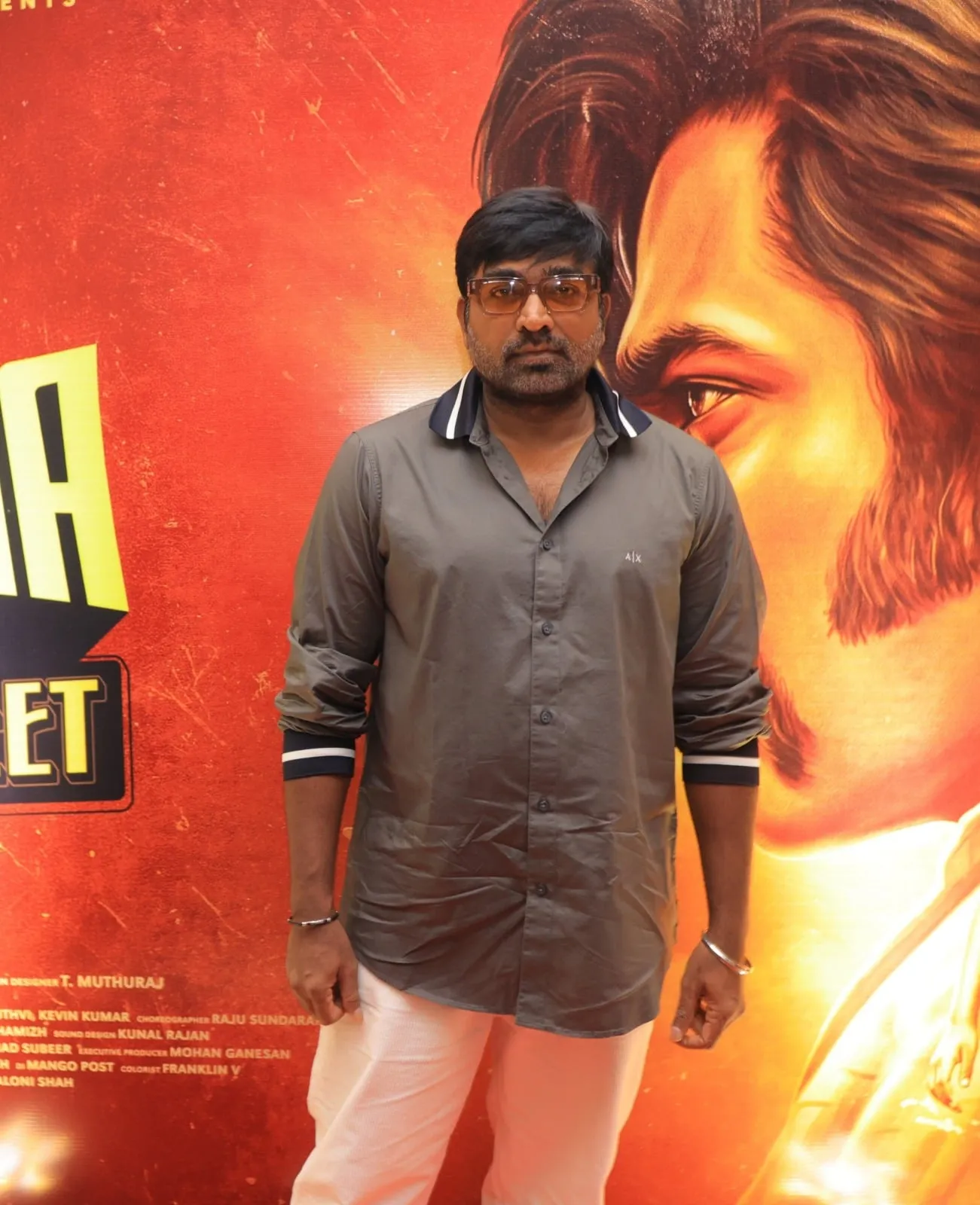
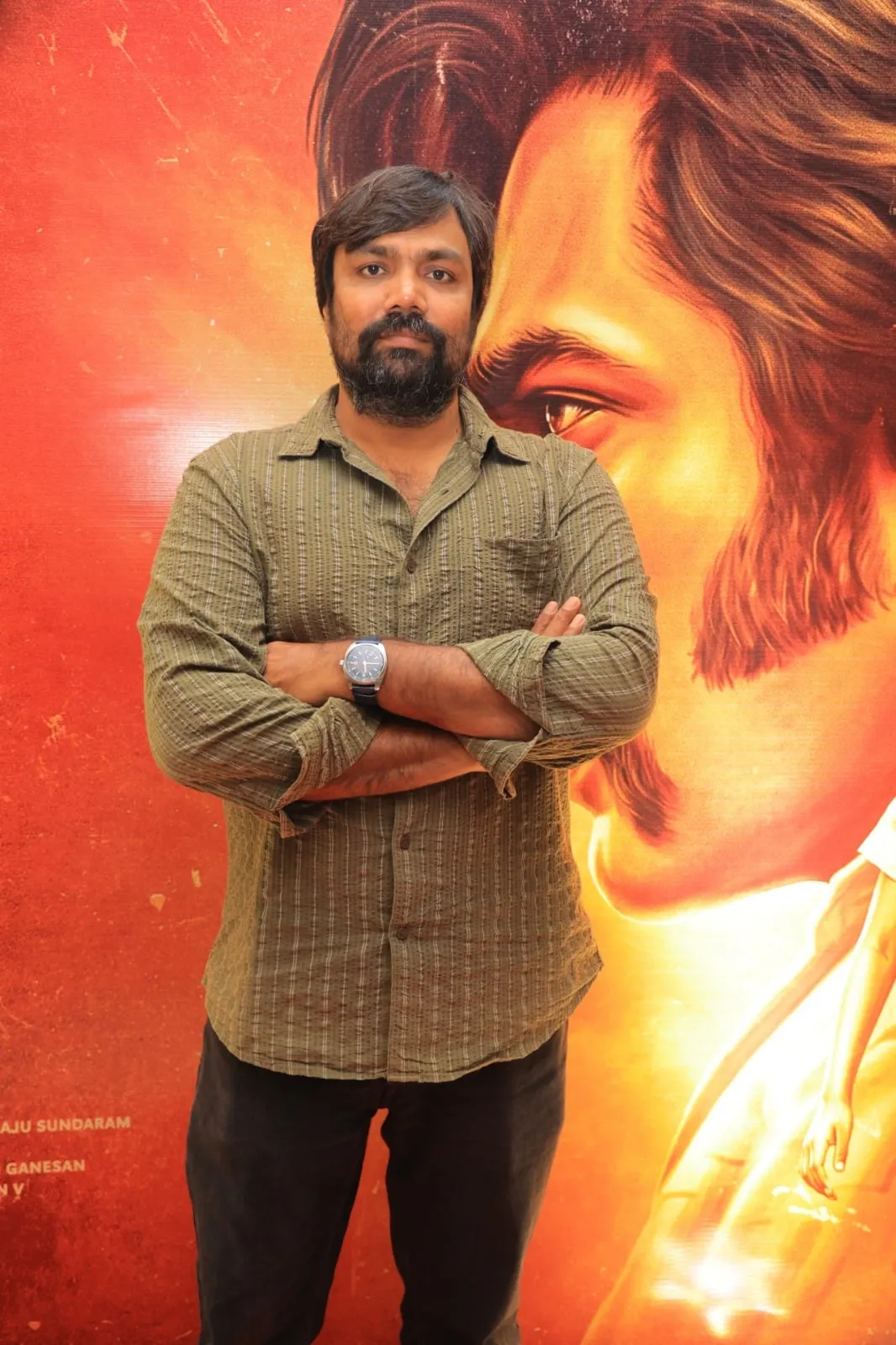
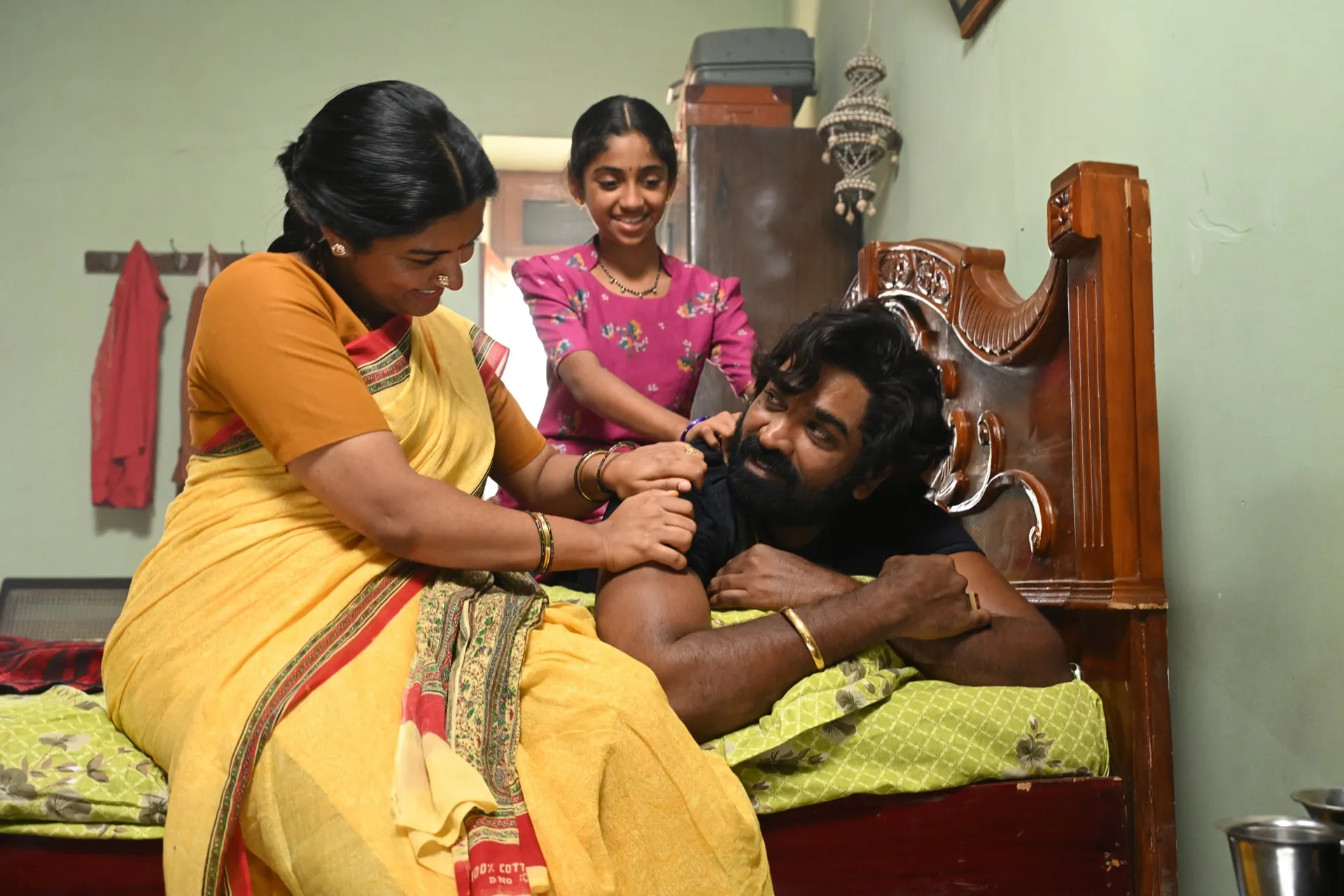
The most revealing part of his speech was about Sai Prithvi Raj, who plays the schoolboy Sabari. Sethupathi said he loves children but barely spoke to Sai on set, because the boy needed to look frightened of him on screen. “If we became comfortable, that would change. So I stayed stiff.” Sai has become famous through the film, and Sethupathi said his only worry was that the boy might lose his way. “He has to study well.” He also thanked Lijomol Jose, “my brothers” Hari, Jothi, Vishnu and Bala, and Sai Abhyankkar, about whom he admitted he too had doubts until the composer showed he understood the film.
Balaji, for his part, said what he lacks and Atlee has in abundance is positivity. He had narrated the story to Sethupathi first, knowing that a friend would not say yes just to be kind. Sethupathi liked it and took him to Atlee. “From the films we have done together, I can say he has proved he is a director’s actor.”
His account of the cast was warm and specific. Lijomol joined just three days before the shoot began, and her arrival, he said, brought a sense that whatever happened would go well. With Sai, the trick was simply not to make him act and to let his childlike nature come through. Sahasra, who won praise for Chithha, plays Sethupathi’s daughter. He credited production designer T. Muthuraj for rebuilding the world of the 1980s, the cinematographer and editor for their share, young costumer Shruthi Manjari for getting the period clothing right, and designer Gopi Prasannaa as a rare talent.
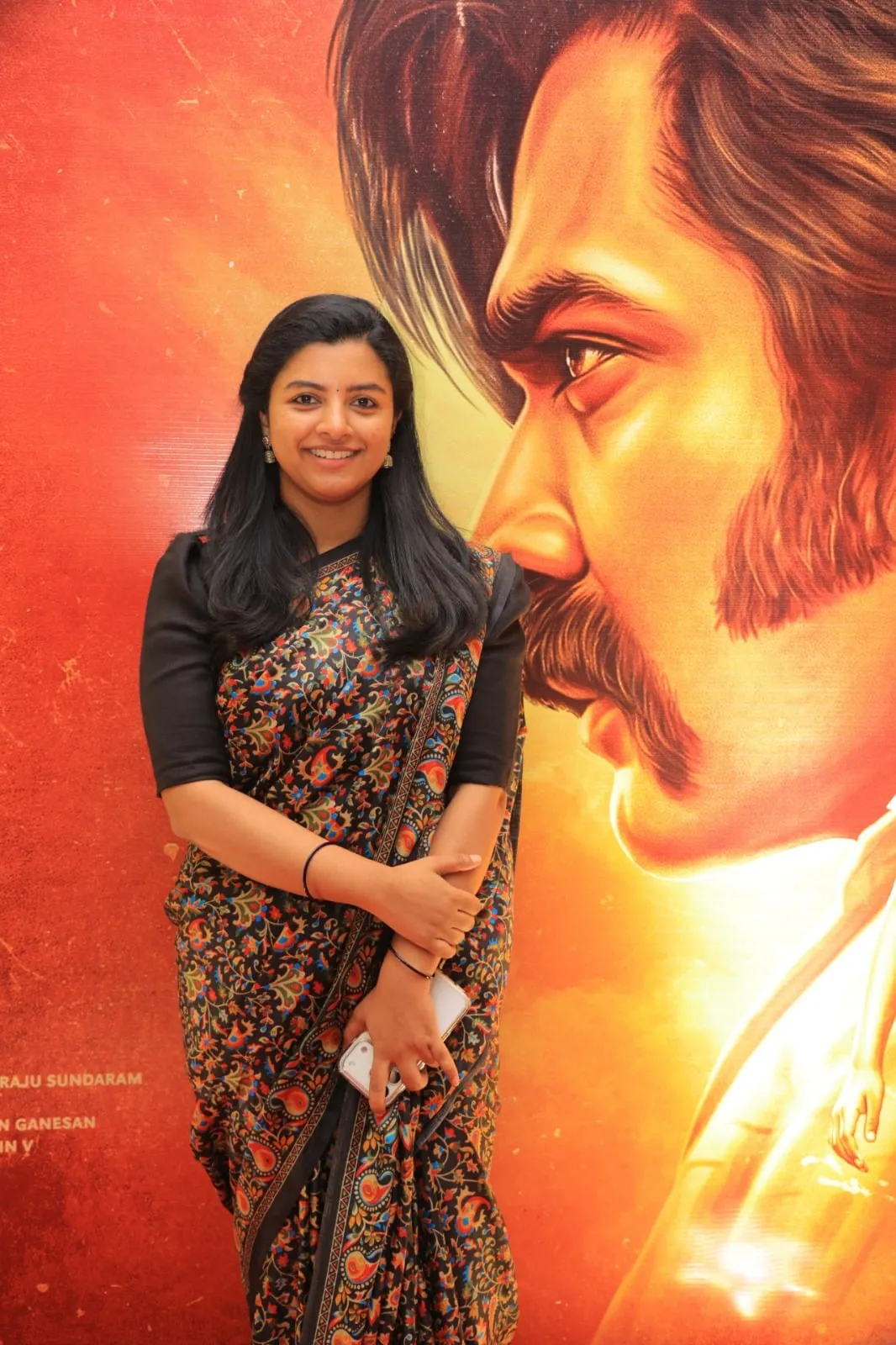
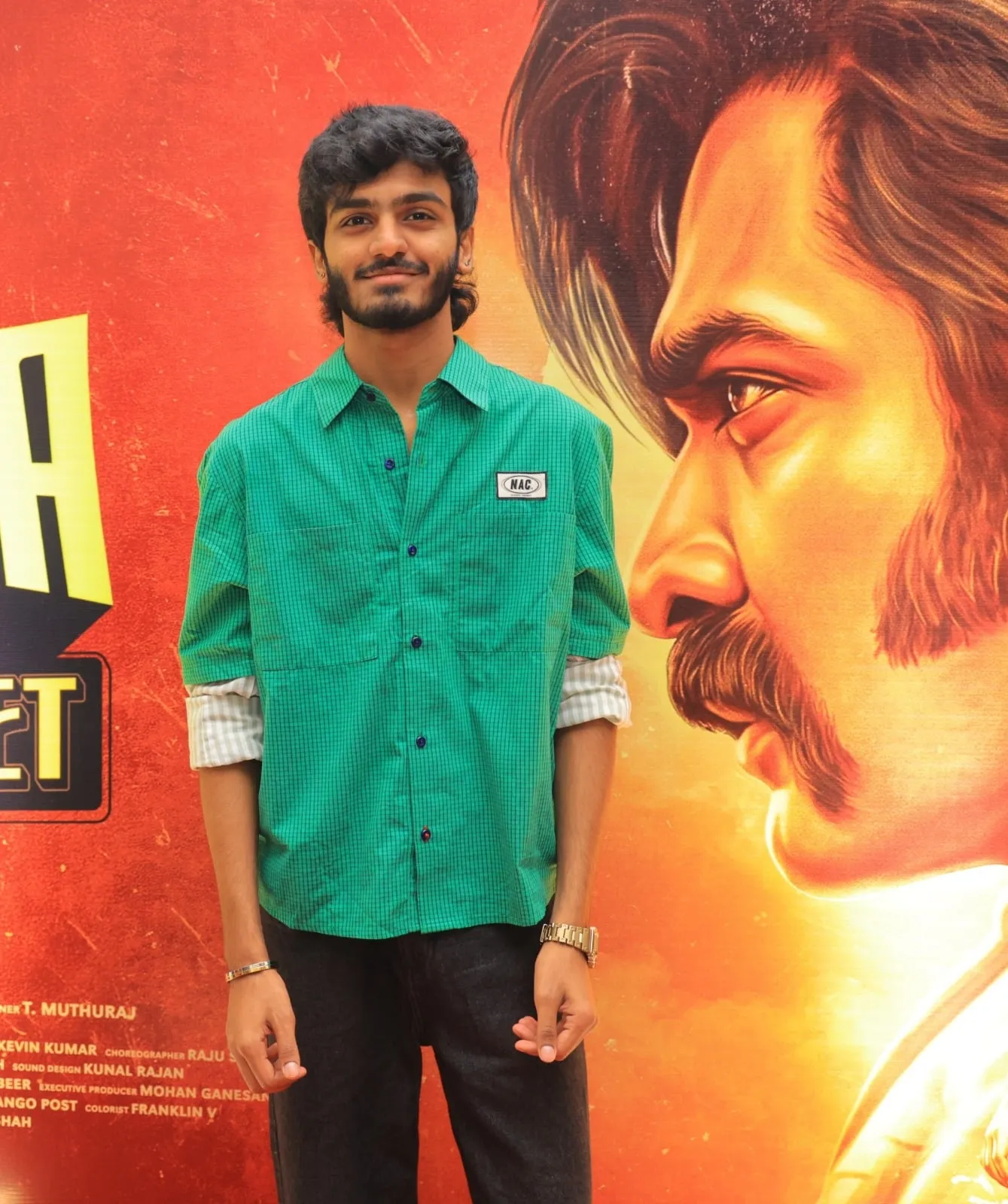
Balaji also admitted to a small fear when Sai Abhyankkar came on board as composer. The composer was frank about it. Balaji did not trust him at first, he said, and someone else was lined up for the background score; he won the director over one song at a time before being handed the score as well. Atlee had believed in him from the first narration, “when I didn’t even believe in myself”, and told him then that he would score Atlee’s next film too. Sai went further than anyone in his praise for the cast: he believes two or three of them will win national awards, and said even the actors who play drivers were so good that he could not pick a standout.
Atlee returned the compliment in his own speech, calling Sai “a child of God”. When they went to London, he said, around 200 musicians who had worked on Hollywood films played Sai’s notes and applauded him. “I am saying it here: he will grow into one of Tamil Nadu’s proudest names.”
Lijomol said she had been very nervous at the music launch last month and that the nerves had finally eased. She thanked audiences for accepting her as Kannima, and Balaji for coaching her patiently from the shoot through dubbing. “I’m scared just looking at Vijay Sethupathi sir. But being near him feels like magic, and I’m proud I got to watch it.” What surprised her most, she said, was the space and freedom he gives his co-actors. She singled out the song Chella Magale and asked viewers who had seen the film to tell those who had not.
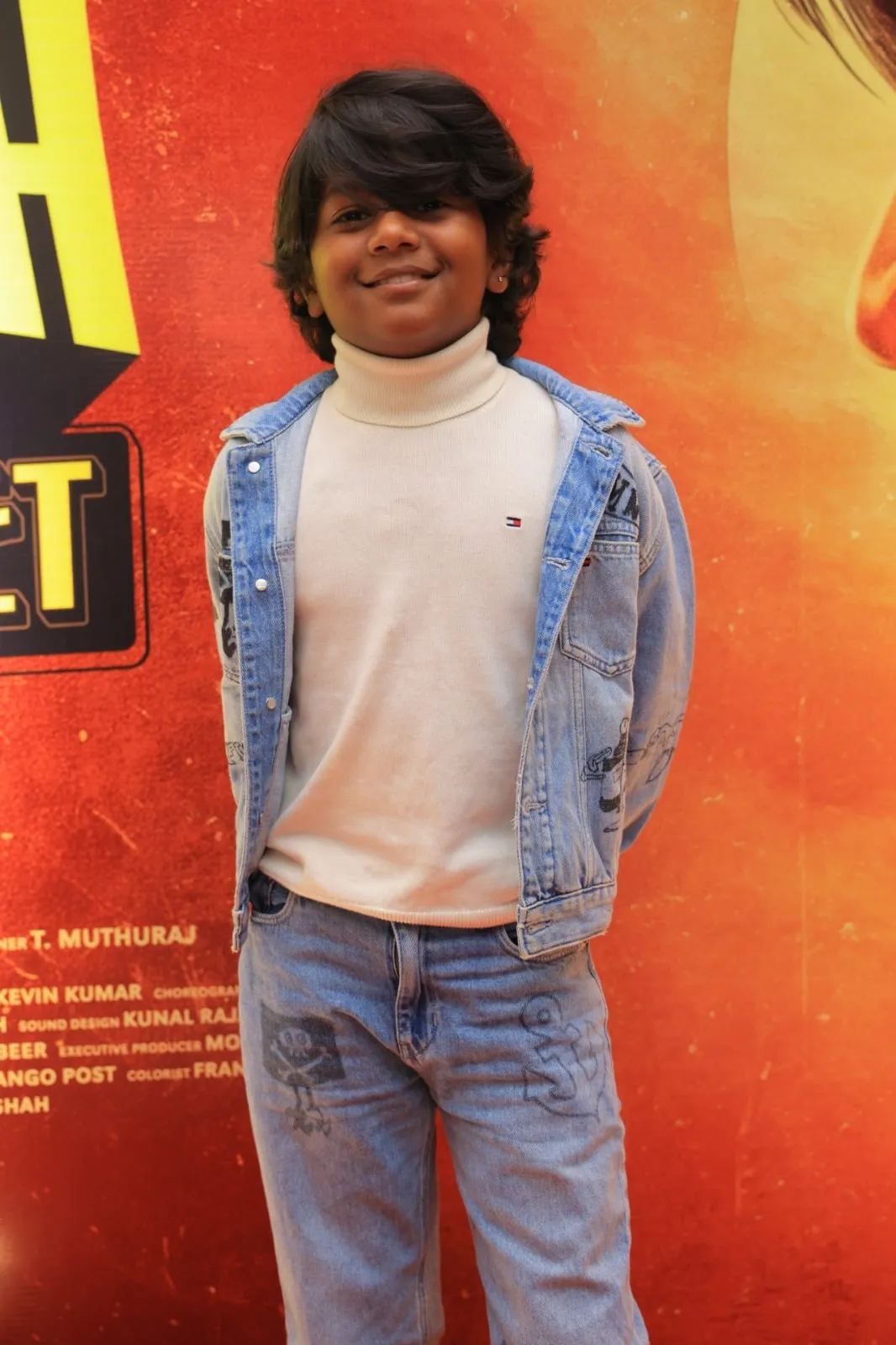
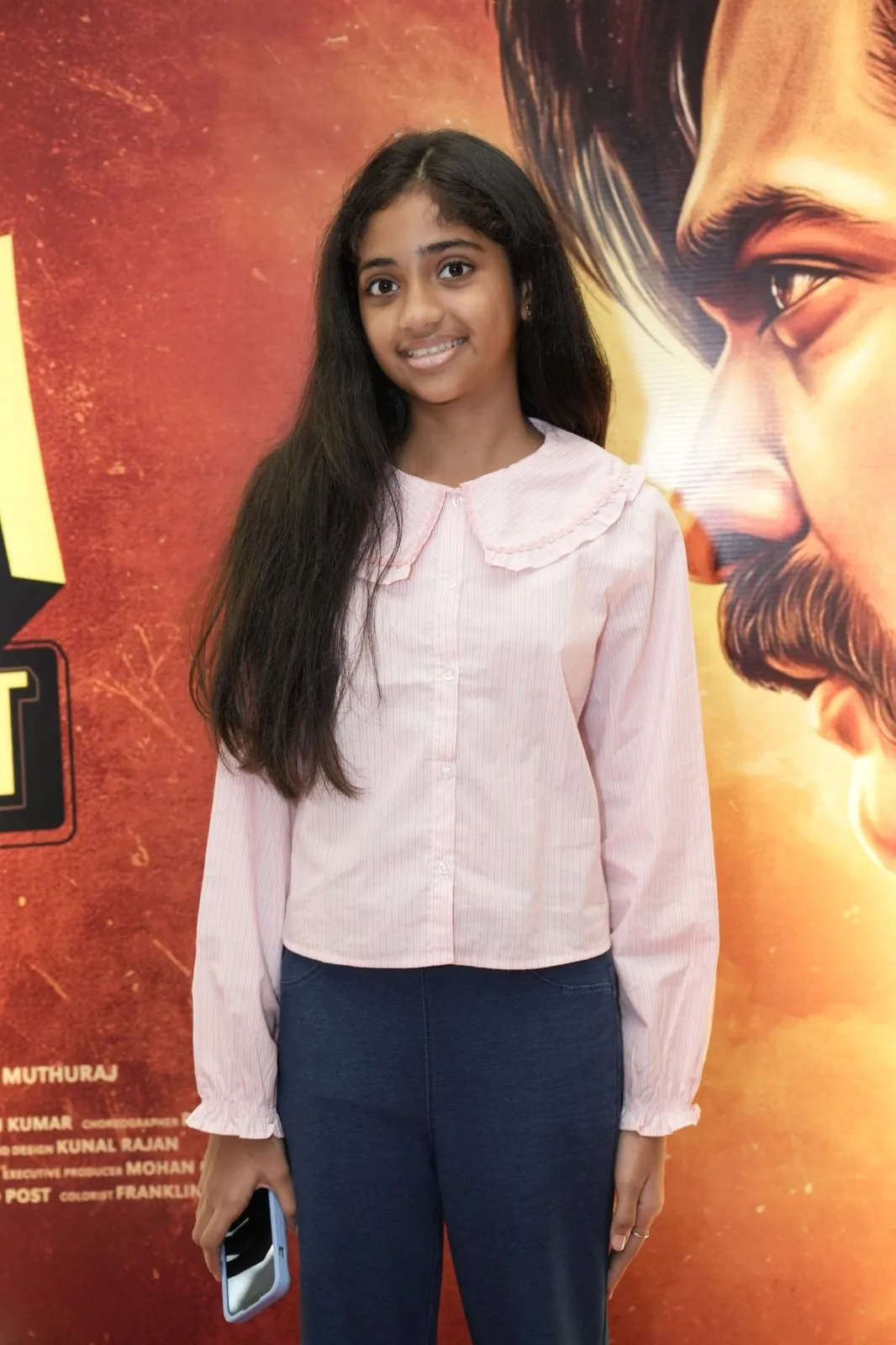
Sai Prithvi Raj described his first film as a mix of fear and joy, much like the shoot itself. Over 60 days, he said, everyone kept a careful eye on him as he wandered around the set. Acting opposite “Sethu sir” scared him; even when he was happy, he kept the happiness off his face. “He was friendly, like a friend, and jolly. Sometimes he scolded me. But he kept telling me to study well.” Sahasra thanked the team for casting her as Thenmozhi and the audience for making the film a hit.
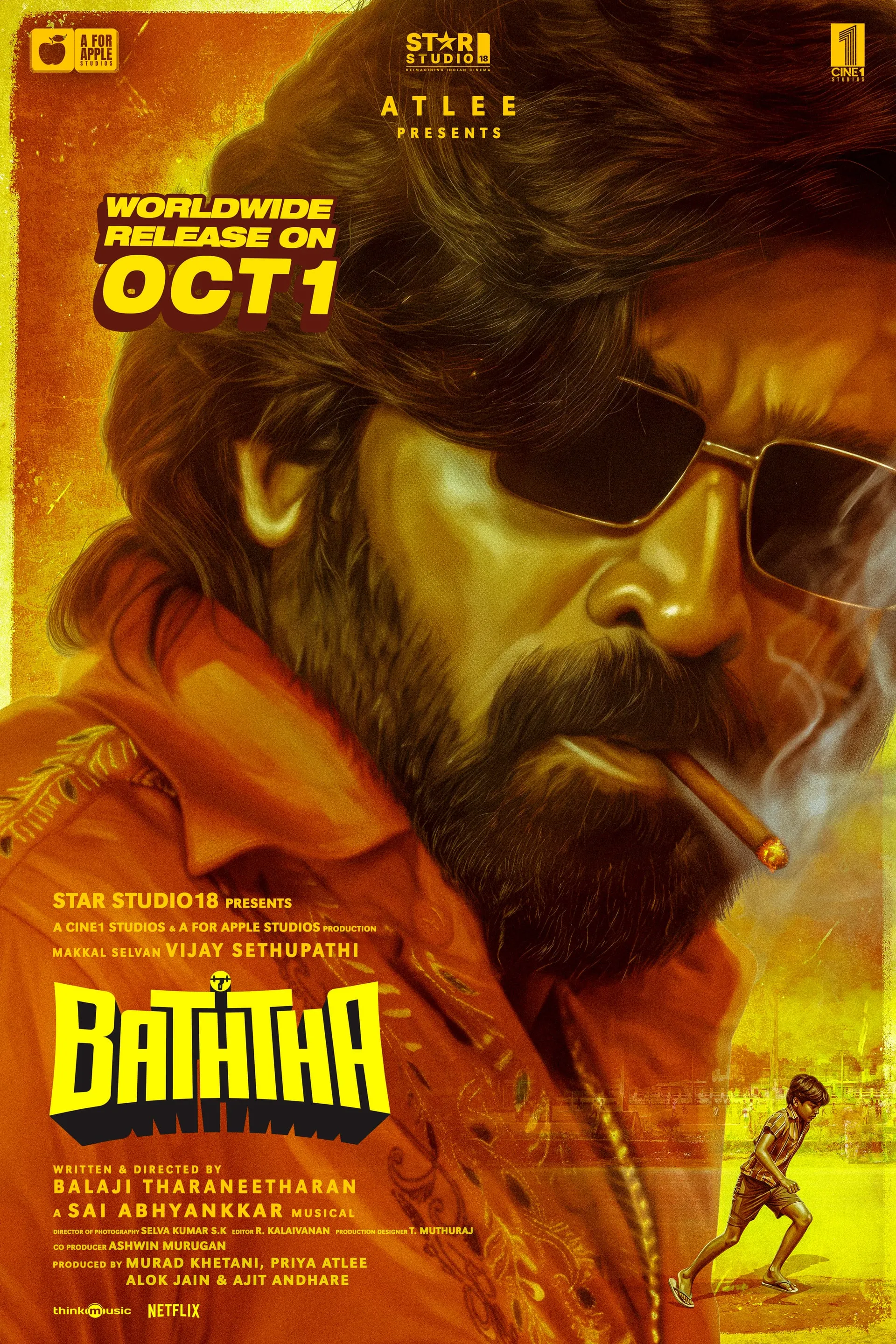
The technicians brought their own stories. Muthuraj said what pleased him most was that the reviews carried no negativity, rare in a time when negativity spreads so easily. He pointed to Sethupathi in the bathroom scene, where he said the actor became the character, and to Sai’s tearful confession near the end, which he said moves you without any background music. Cinematographer Selvakumar SK said that after learning from Lokesh Kanagaraj and Raju Murugan, he learned from Balaji how to live simply: eat by 6 pm, sleep early, and put the phone away. He said his eyes welled up while shooting the song Magale. Gopi Prasannaa said the film’s geography inspired the retro look of its posters, starting with Sethupathi’s first look.
Writer Karan Karki, who worked on the dialogue, called the stage a 16-year dream. He has written eight novels and a short story collection and won 16 awards, he said, but this gave him something none of those had. He had hesitated at first, because he dislikes how Tamil cinema caricatures Chennai’s dialect. “There are many layers to it. What they speak in Chintadripet, they won’t speak in Vyasarpadi. Royapuram is different again.” He was surprised, he said, that the team wanted to trace the roots of the words and asked him what each one meant. He thinks the screenplay could be taught in a film school.
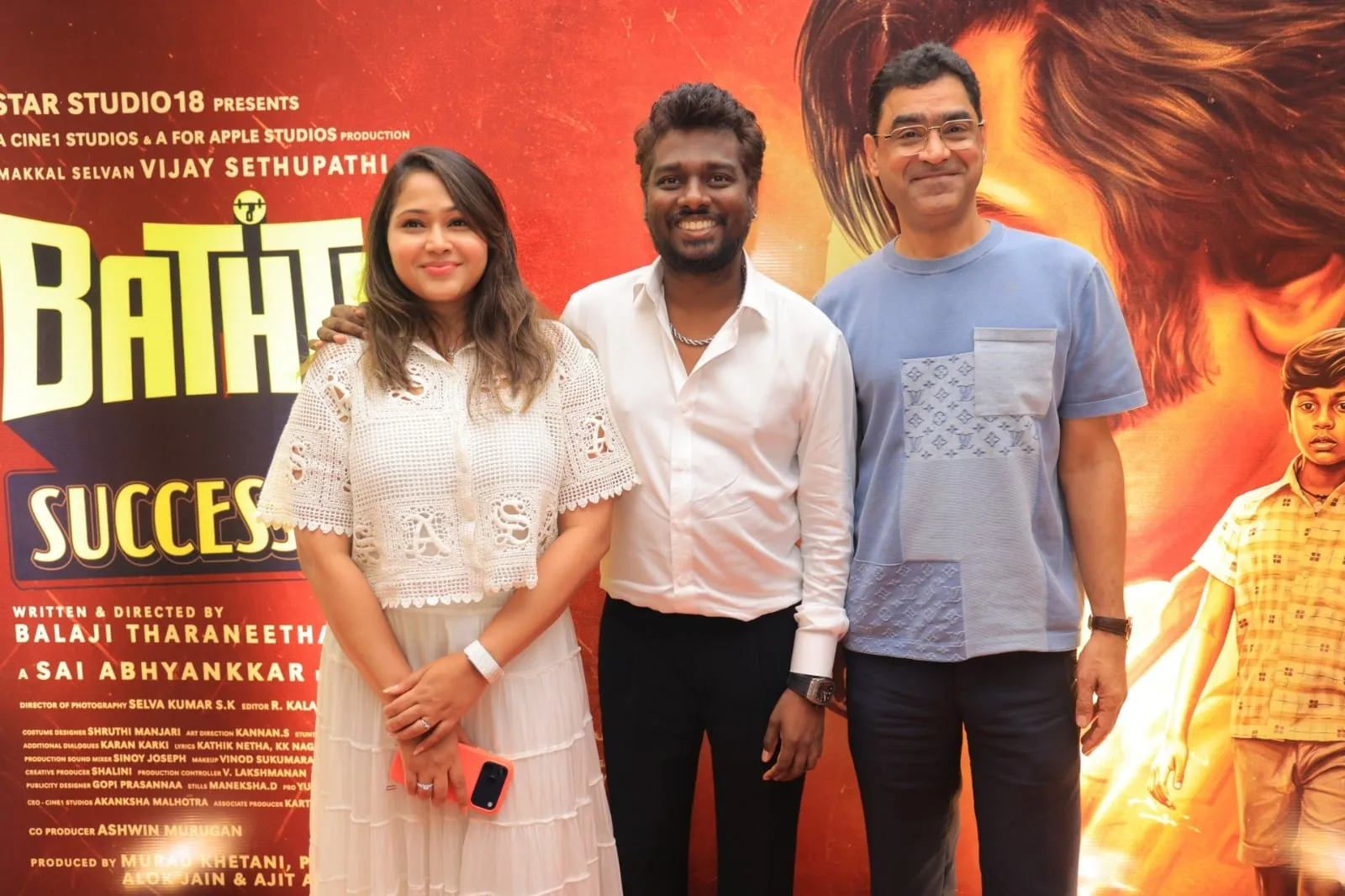
Lyricist Karthik Netha gave the evening’s most personal speech. Baththa, he said, brings art into commercial cinema, and it mirrors his own life. “If Baththa had received even a small word of praise when he sang, he would never have picked up a knife.” His own life changed direction the same way, he said; he was once addicted and has come back from it. “Good films are like good books. This is one of them.” Gaana Jeeva, who also wrote for the film, kept it brief: he thanked the team for the chance and said the film’s sentimental scenes worked.
The supporting cast spoke with the same gratitude. Hari Krishnan thanked Sethupathi for giving him his due space on screen and credited the goodwill around the film to “a good soul called Atlee”. Balamurugan, in his first film, said he had spent years watching cinema events from the media side and now found himself on stage. Arjun Chidambaram said he believed in the story when he heard it and was amazed by it while acting, proof that a good story brings everything else with it. Vishnu Govindan, who came over from Malayalam cinema, shared three lessons: let art choose you, work hard and stay quiet, and let your film do the talking. “If you liked my performance, give me a chance.”
Murad Khetani thanked Atlee for bringing him into the production and said he had not seen any film receive this kind of response. Atlee closed by saying that although Baththa is already doing well, he is going out to the public to push it further, and that going to the people is nothing to be embarrassed about. Our Baththa review called it a gangster comedy with a tender heart, and the film is running in theatres now.
More onBaththa,Vijay Sethupathi,Atlee,Balaji Tharaneetharan