Vijay Sethupathi calls innocence the heart of Baththa
Balaji Tharaneetharan's third collaboration with the actor builds a family story in 1980s Chennai, with painstaking sets and music by Sai Abhyankkar.
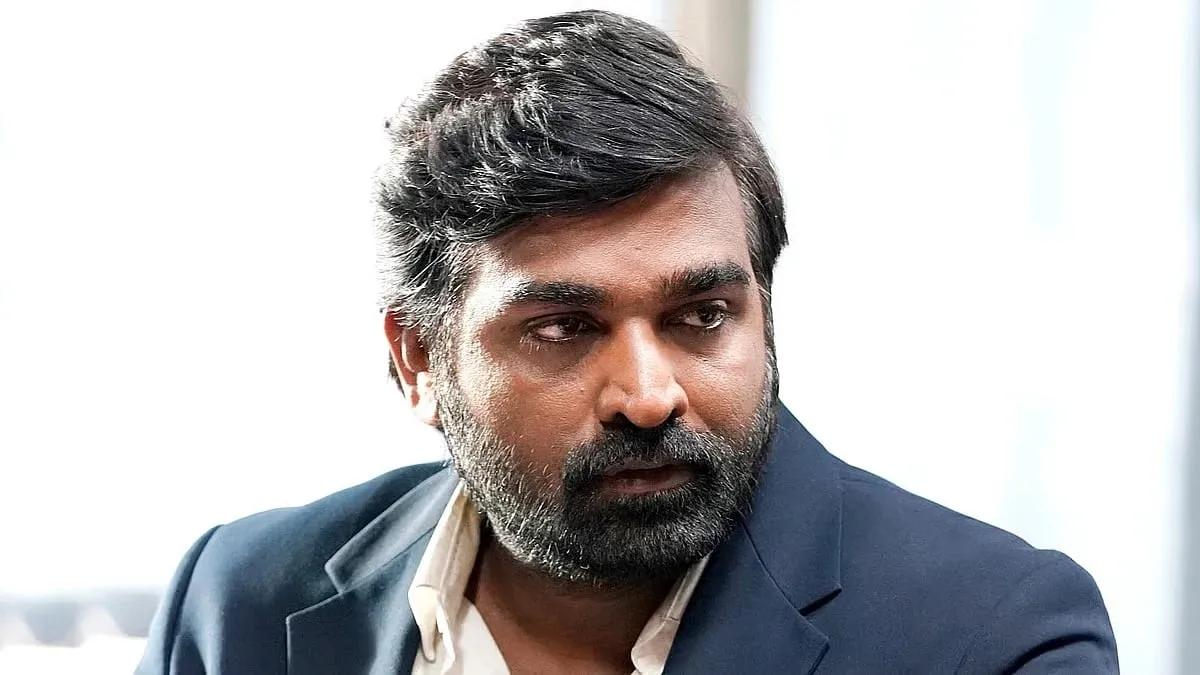
Vijay Sethupathi sees innocence as the force at the heart of Baththa. Speaking ahead of its October 1 release, he imagined what happens when a warrior or a scholar encounters someone seemingly naive. The intelligence inside that innocence, he suggested, can withstand a kind of power that would overwhelm either of the others. It was a tantalising description of a film whose story the team has otherwise kept close.
Baththa brings Sethupathi back to director Balaji Tharaneetharan for a third film after Naduvula Konjam Pakkatha Kaanom and Seethakathi. Balaji said he started writing during the pandemic lockdown and took considerable time to finish the script. Sethupathi was the first person he told the story to, and the actor then brought him to Atlee, who quickly backed it. Balaji described the shoot as a friendly one, despite the scale of the world they had to create.
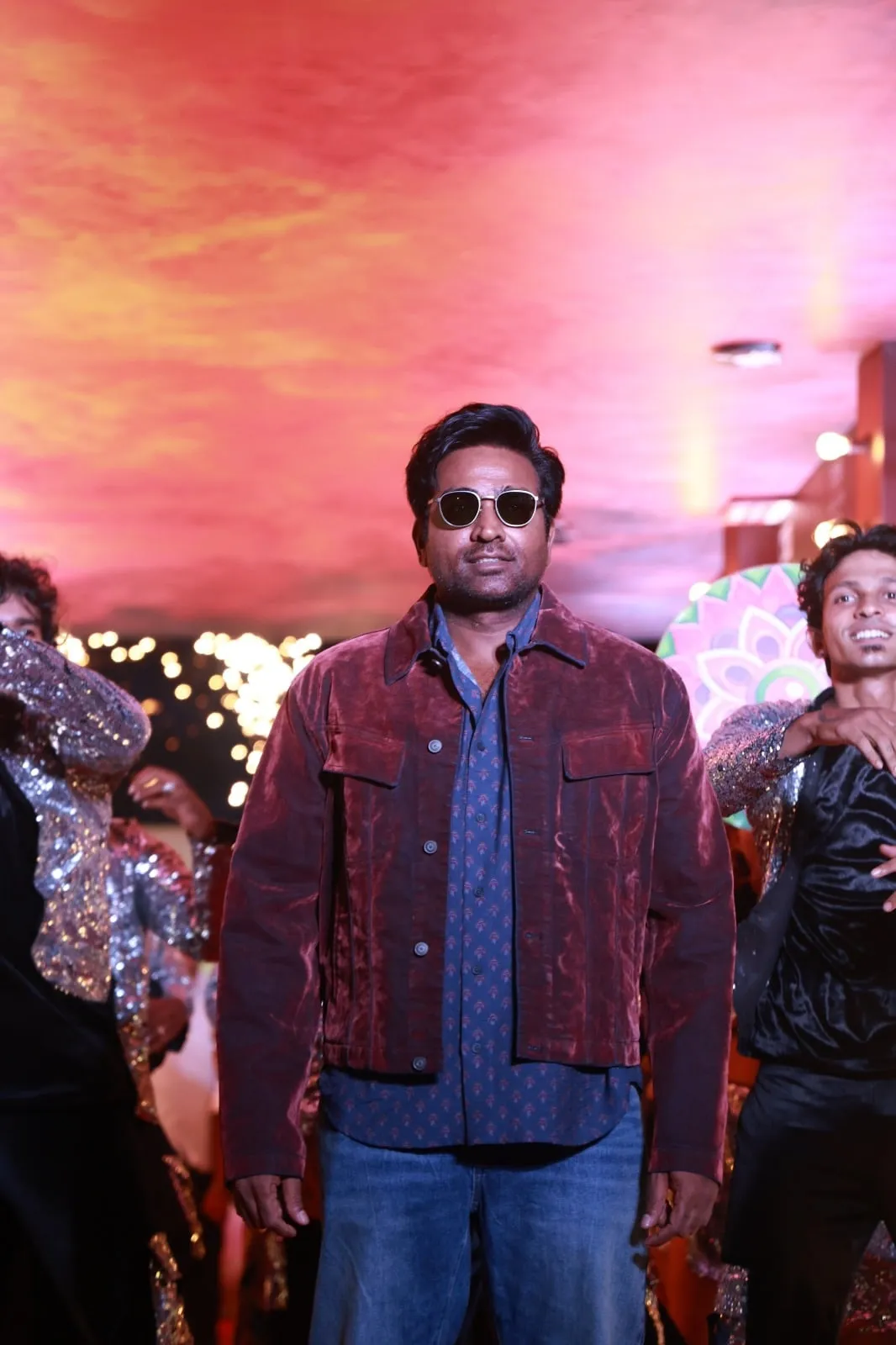
That friendship shaped the music launch too. Sethupathi said he had known Balaji for nearly 15 years and valued the way the director had held on to the affection and respect of those around him. Atlee called Baththa a new kind of mass entertainer with a humane story for families. Their accounts of how it came together gave the evening its warmth.
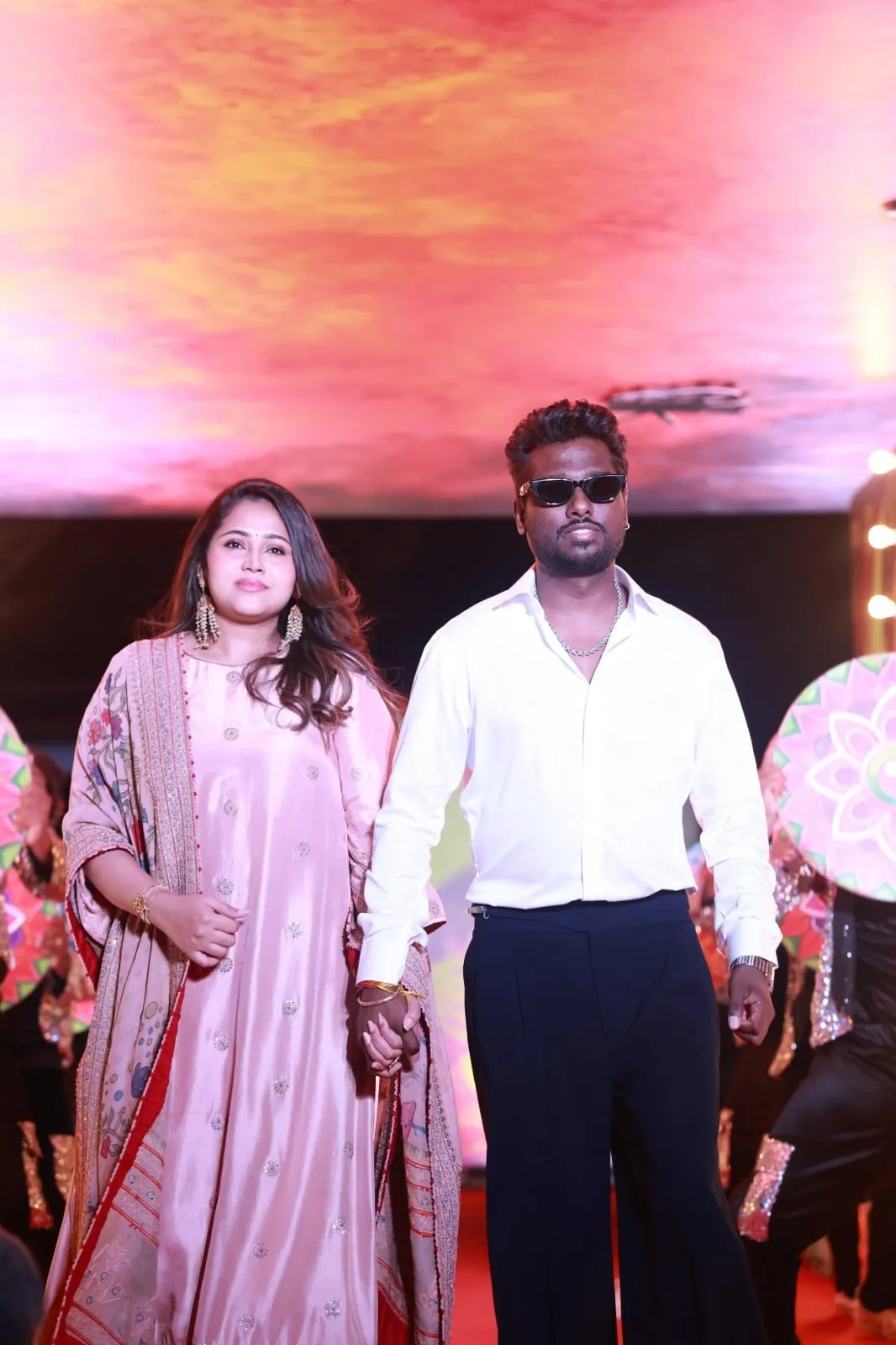
Lyricist Karthik Netha offered the most personal example. During a difficult time in his life, he said, Balaji let him stay at his office, gave him food and rest, and helped him write again. Their association reaches back to Naduvula Konjam Pakkatha Kaanom. Karthik spoke of writing Magale for Baththa with that history in mind. Fellow lyricist Tamil described learning to write more poetically for the film, while Gaana Jani recalled first hearing Sai Abhyankkar’s tune before knowing it belonged to a Vijay Sethupathi project.
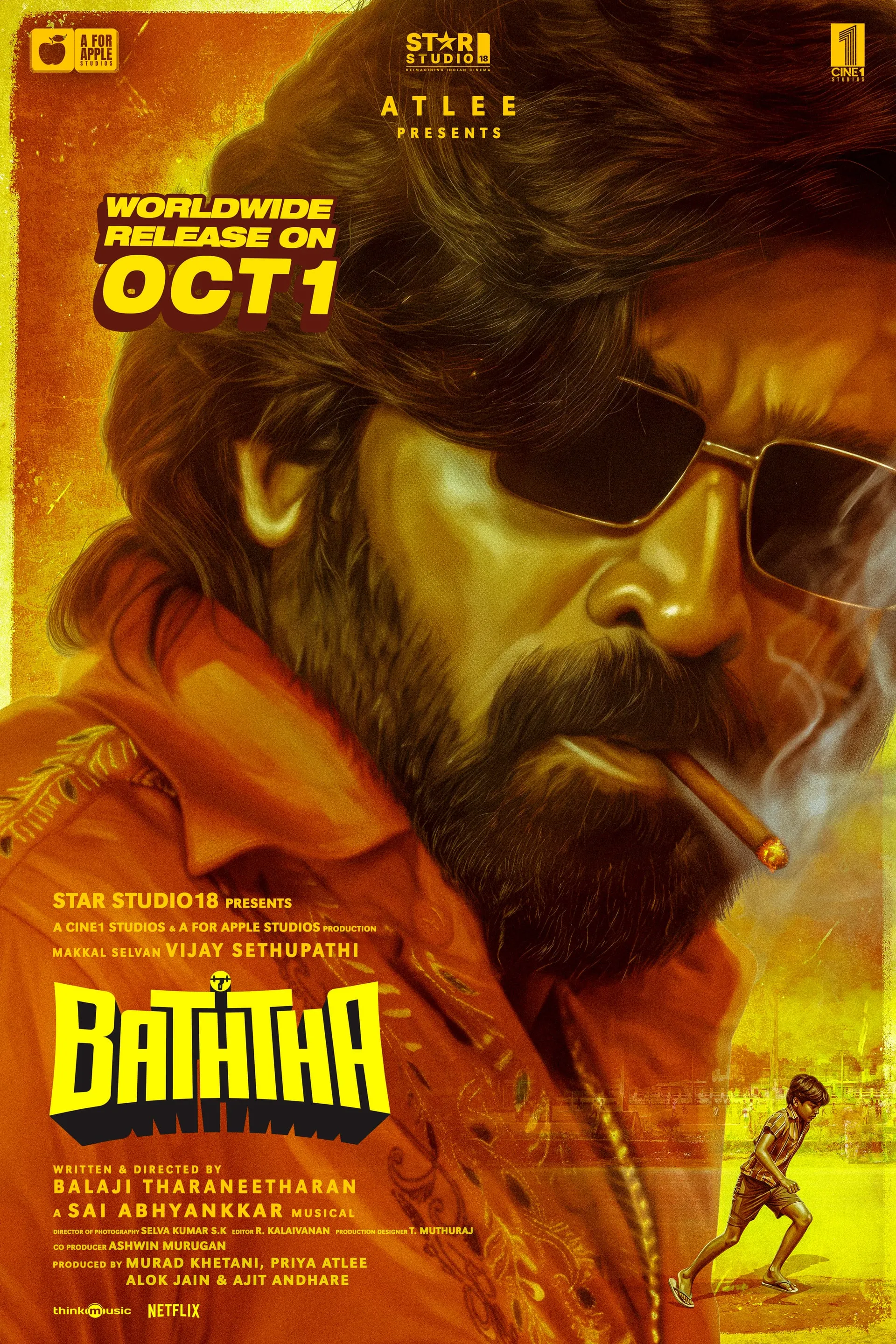
The first look’s hand-painted retro imagery carries into the production design. Art director T. Muthuraj said his team rebuilt a version of 1980s Chennai, spending three months making props, including boxing equipment glimpsed in the trailer. Everyday objects from that period were difficult to source, so many had to be made. Cinematographer Selvakumar SK described a set where even after more than 25 takes Sethupathi kept performing through the entire scene, including shots filmed from behind him. Editor R. Kalaivanan said he had to rethink the rhythm of each cut, with Balaji helping him decide precisely when a shot should change.
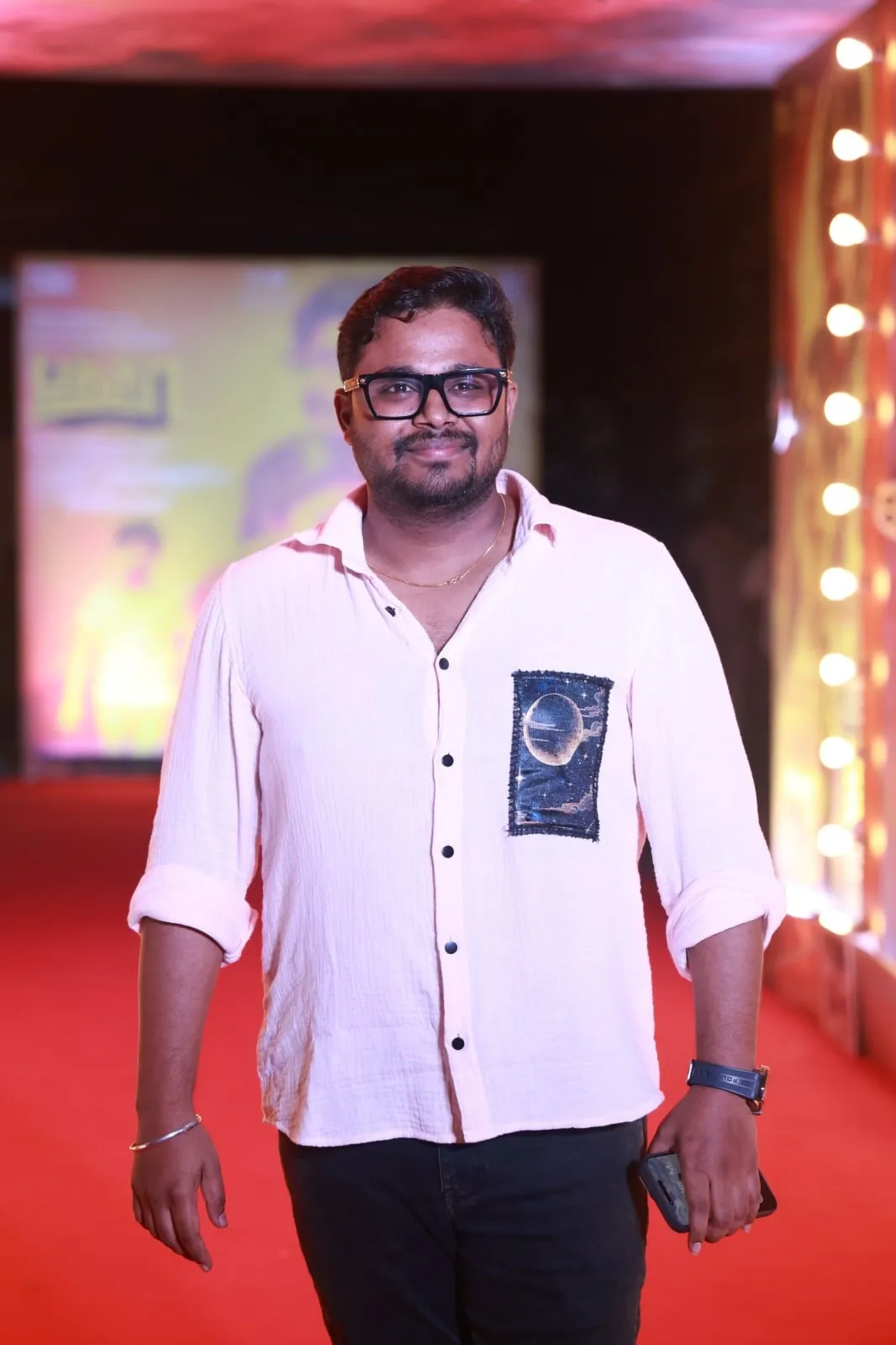
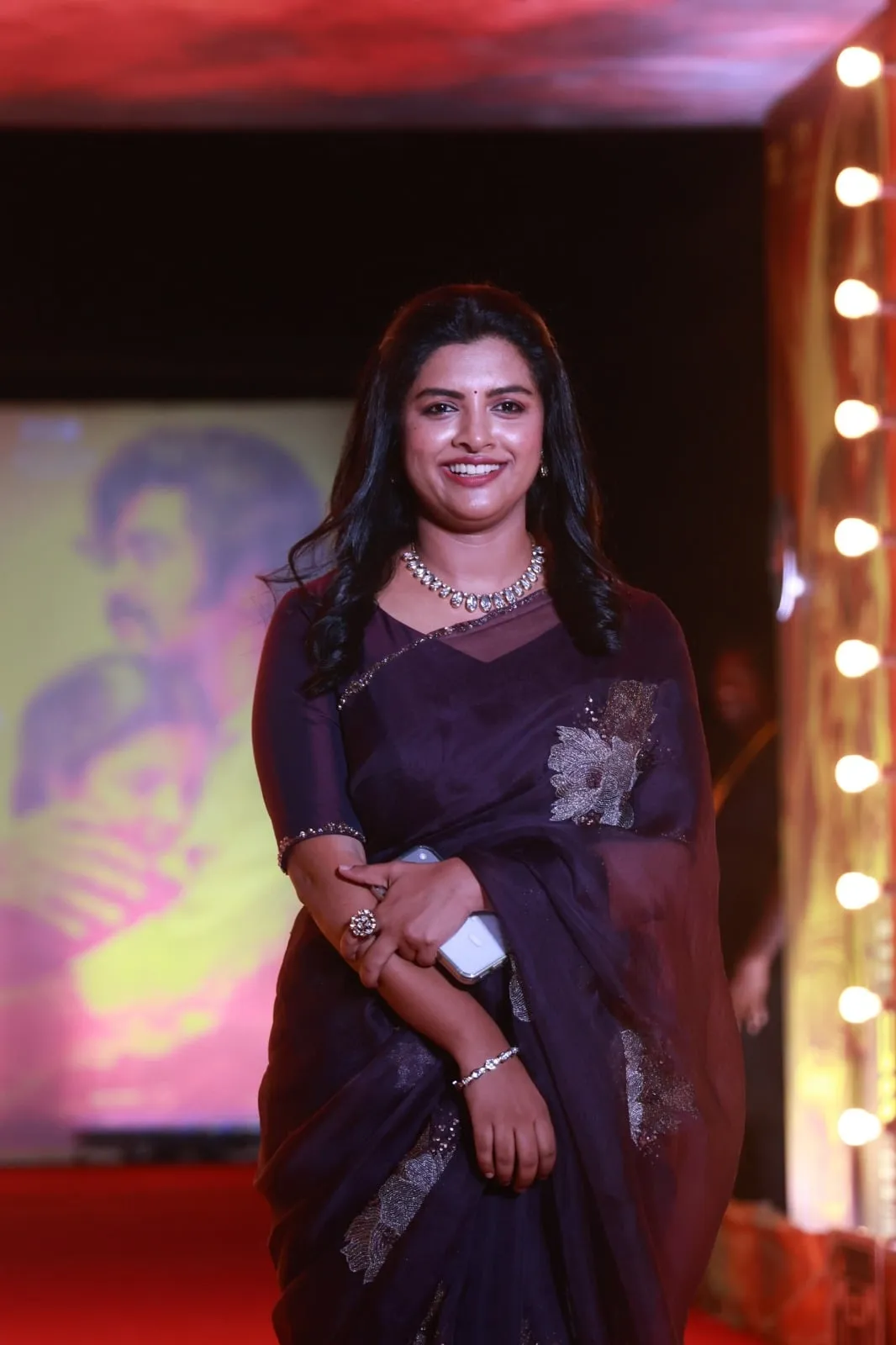
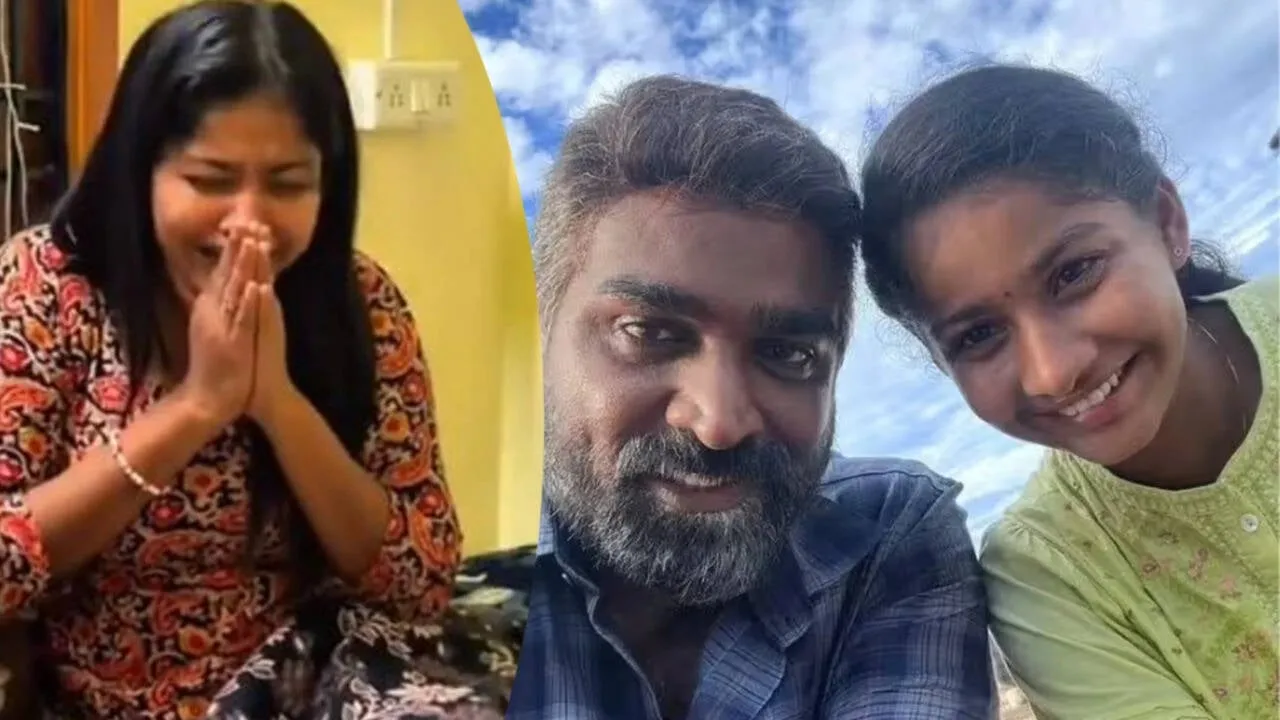
Sethupathi singled out Lijomol Jose, who plays his wife, for making their shared home and its objects feel lived in. He also pointed to child performer Sahasra as central to the story. Lijomol said the chance to work with Sethupathi and Balaji had felt like a dream from the first call, and that Sethupathi’s praise meant a great deal to her.
Sai Abhyankkar said he had admired both of Balaji’s earlier films with Sethupathi. He found the director direct about what worked and what needed another attempt, an approach that pushed the music further. Balaji praised both the songs and the background score, while Atlee spoke of Sai as a composer whose own moment is arriving. Baththa opens in cinemas on October 1.
More onBaththa,Vijay Sethupathi,Balaji Tharaneetharan,Sai Abhyankkar