Lenin Pandiyan: Ilaiyaraaja backs Dhaarshan's debut
Roja found her comeback in one narration. Gangai Amaran surprised his own son. A September 25 release brings new beginnings across generations.
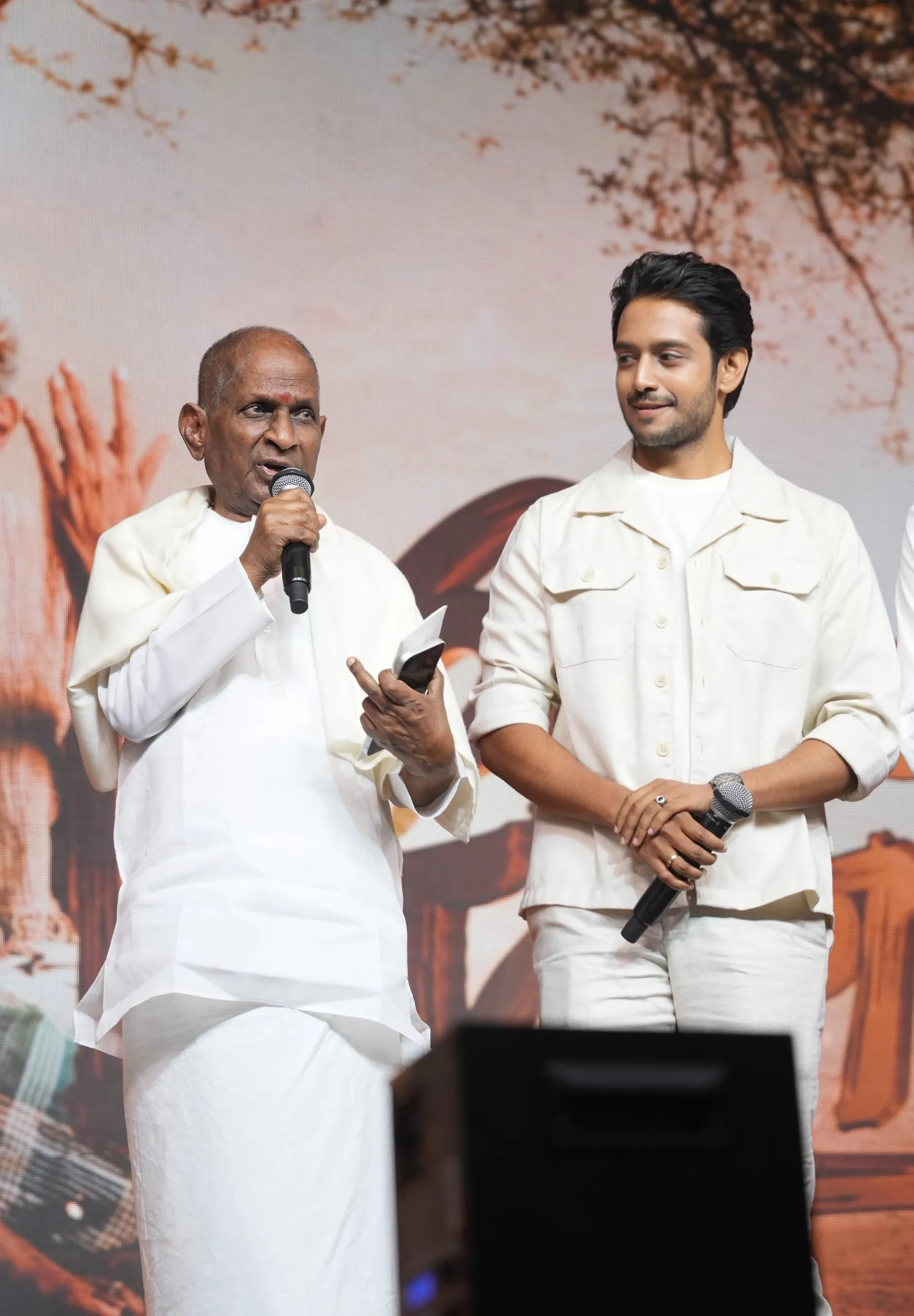
For Ilaiyaraaja, Dhaarshan Ganesan’s debut in Lenin Pandiyan had lived up to a name he knew well: Sivaji Ganesan. The composer praised the newcomer for honouring his grandfather’s acting legacy, then recalled being caught five minutes late by Sivaji himself.
Ilaiyaraaja said he routinely reached his studio at seven in the morning. On the one day he was delayed, Sivaji was already waiting as he stepped out of the car. “Raasa, even you are late?” the actor asked. It was a memory of discipline as much as affection, shared as another Ganesan prepared to face an audience.
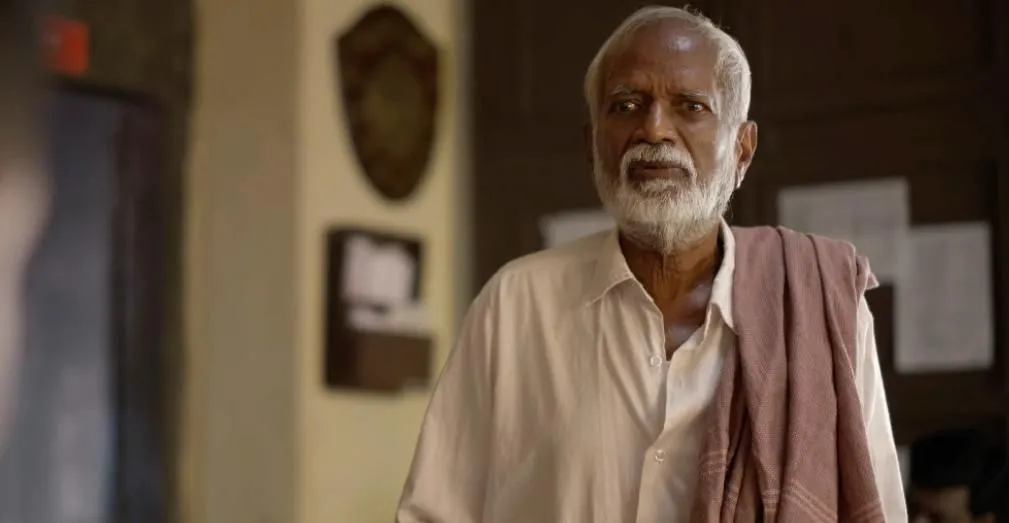
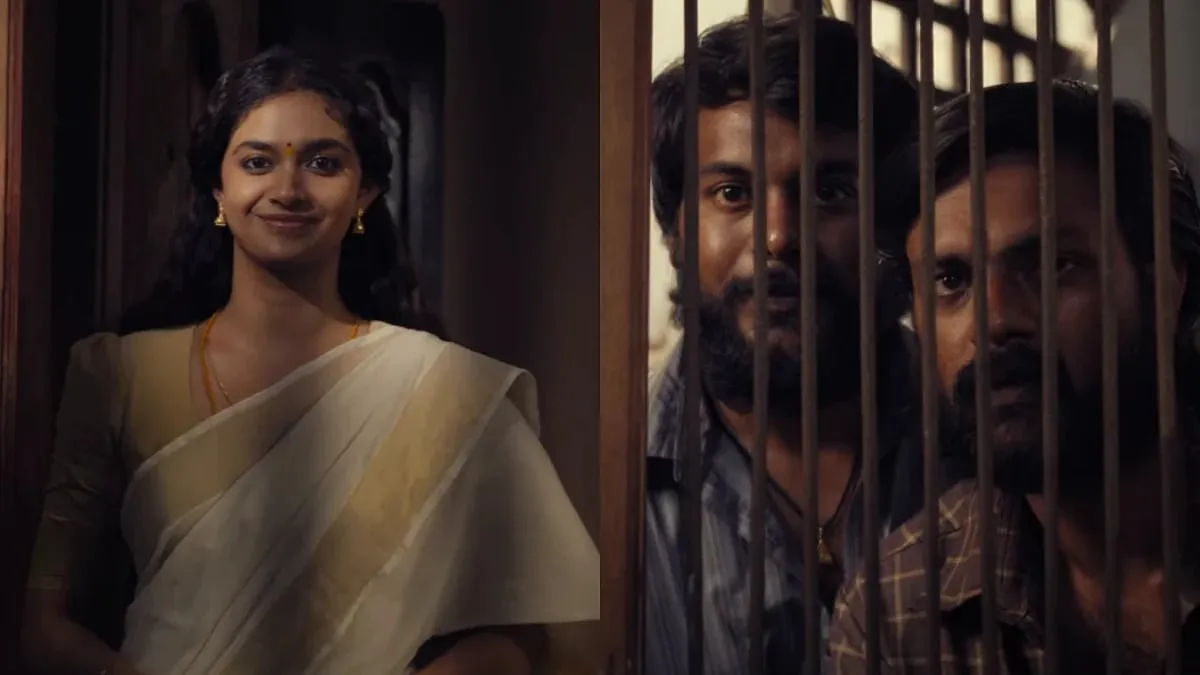
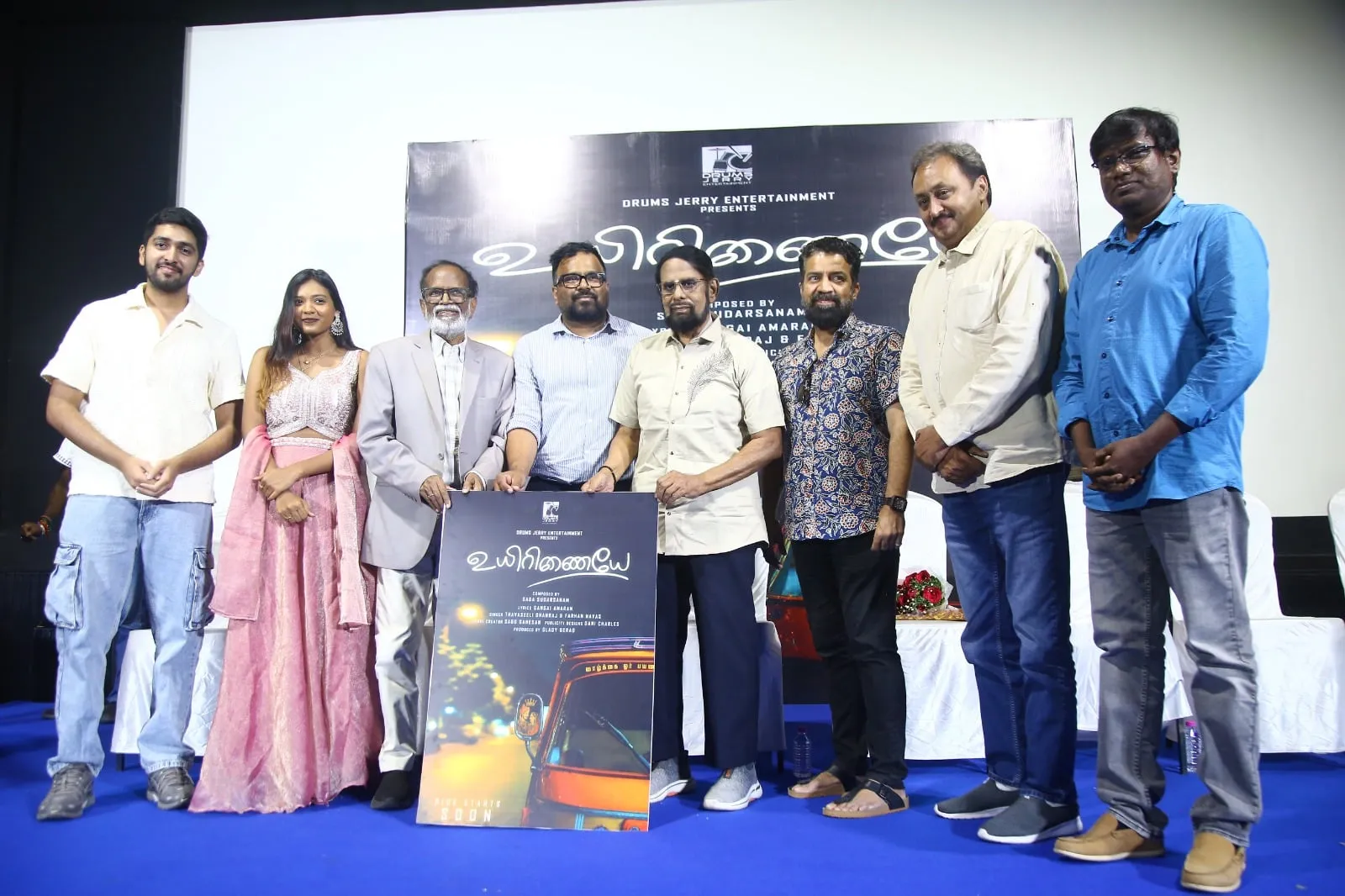
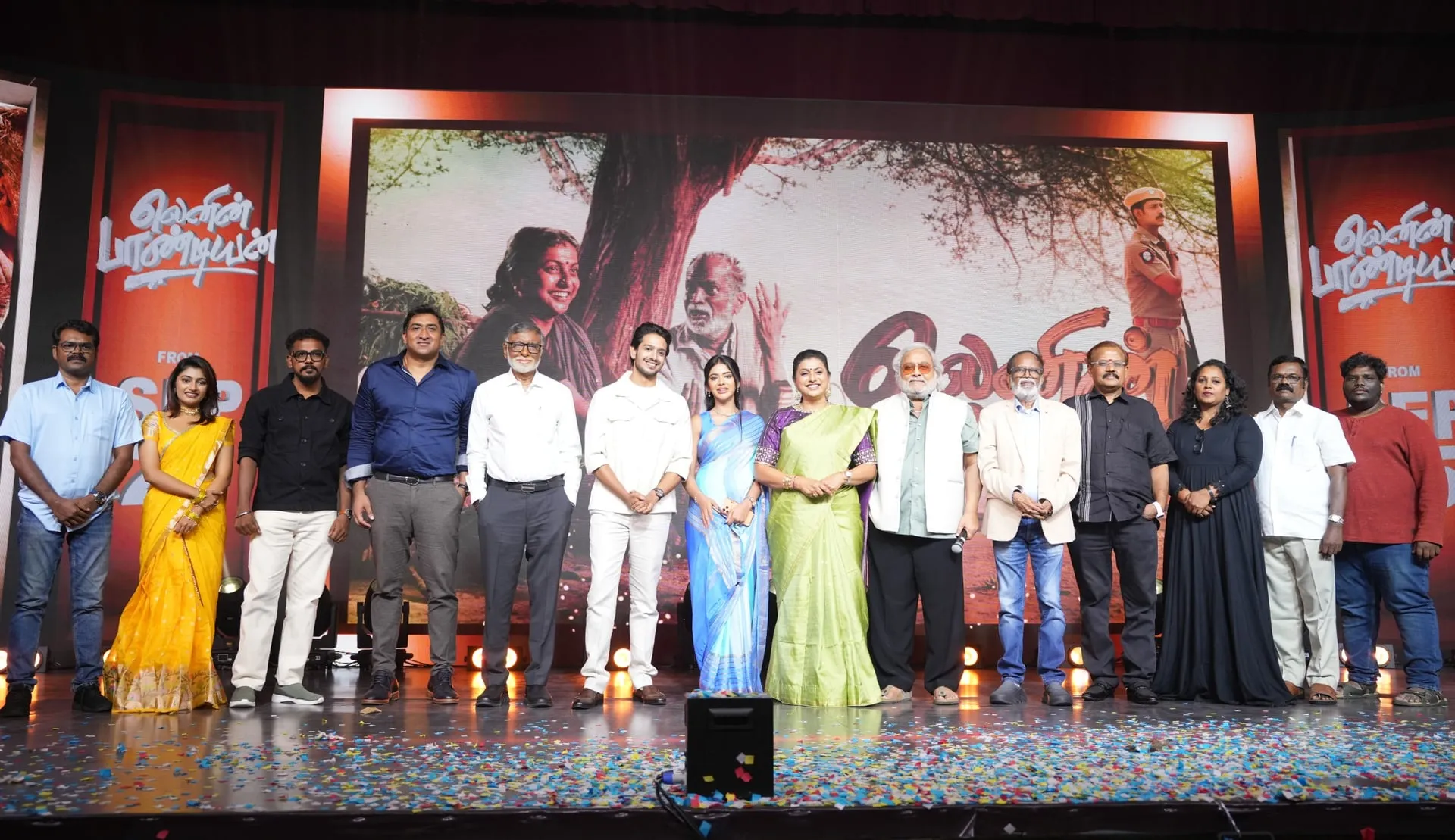
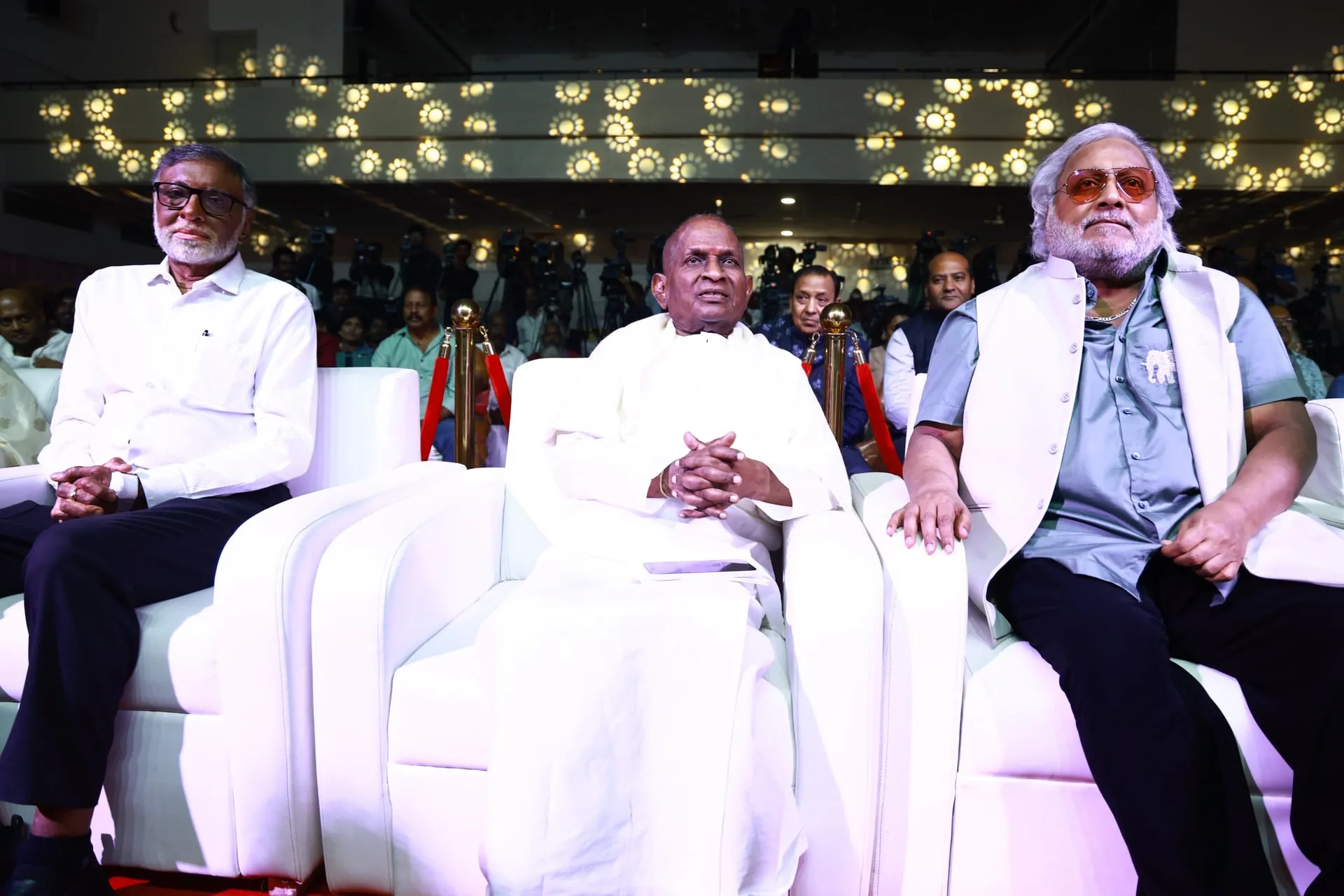
The September 12 gathering brought the cast and crew together ahead of the film’s September 25 release. Directed by newcomer DD Balachandran, Lenin Pandiyan centres on sand mining and the rights of ordinary people. Its trailer introduces a 75-year-old man under police protection, with Gangai Amaran in a central role and Dhaarshan playing a young police officer.
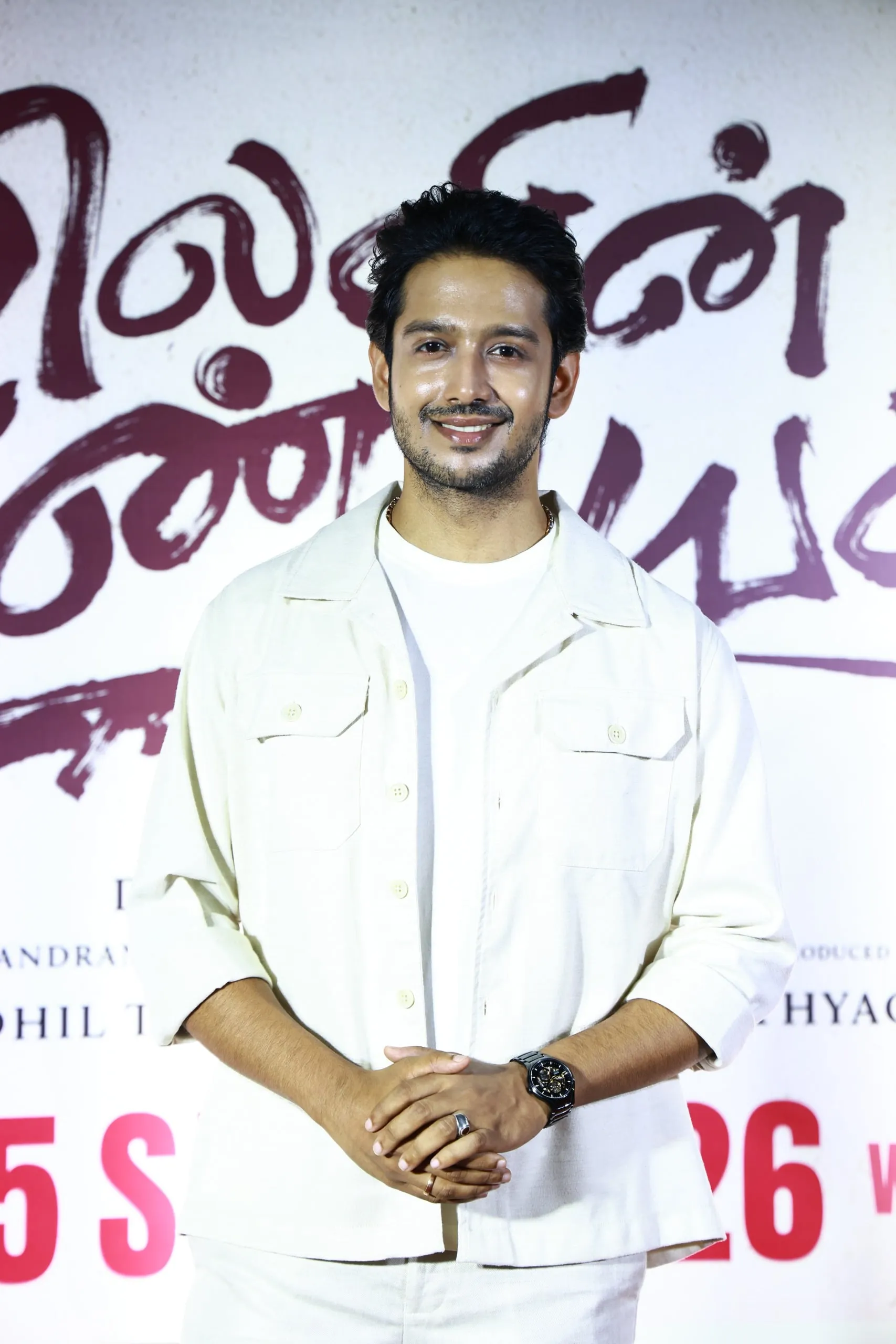

Dhaarshan described September 12 as an important day in his life. He had grown up watching Sivaji’s films, reciting his dialogue and listening to his songs. Taking acting seriously, though, had brought self-doubt about whether he could do it well. Training and the support of his family had helped him work through that uncertainty.
He thanked Balachandran for believing he could carry the character, noting that the occasion marked the director’s introduction as well as his own. The affection people showed whenever Sivaji’s name was mentioned, he said, remained a source of strength.
Roja’s return had begun with a story session at home. Subbu, a longtime friend, had told her about the film; when Balachandran came to narrate it, he described the performances, dialogue and body language in such detail that she felt she had already watched the whole film. His conviction made her want to act again.
There was another connection she treasured. Ilaiyaraaja had composed for Sembaruthi, her first film in Tamil, and was now scoring her return. She also spoke about working across three generations of Sivaji’s family, from Sivaji and Prabhu to Dhaarshan. The affection came with a practical perk she remembered fondly: home-cooked food throughout the shoot.
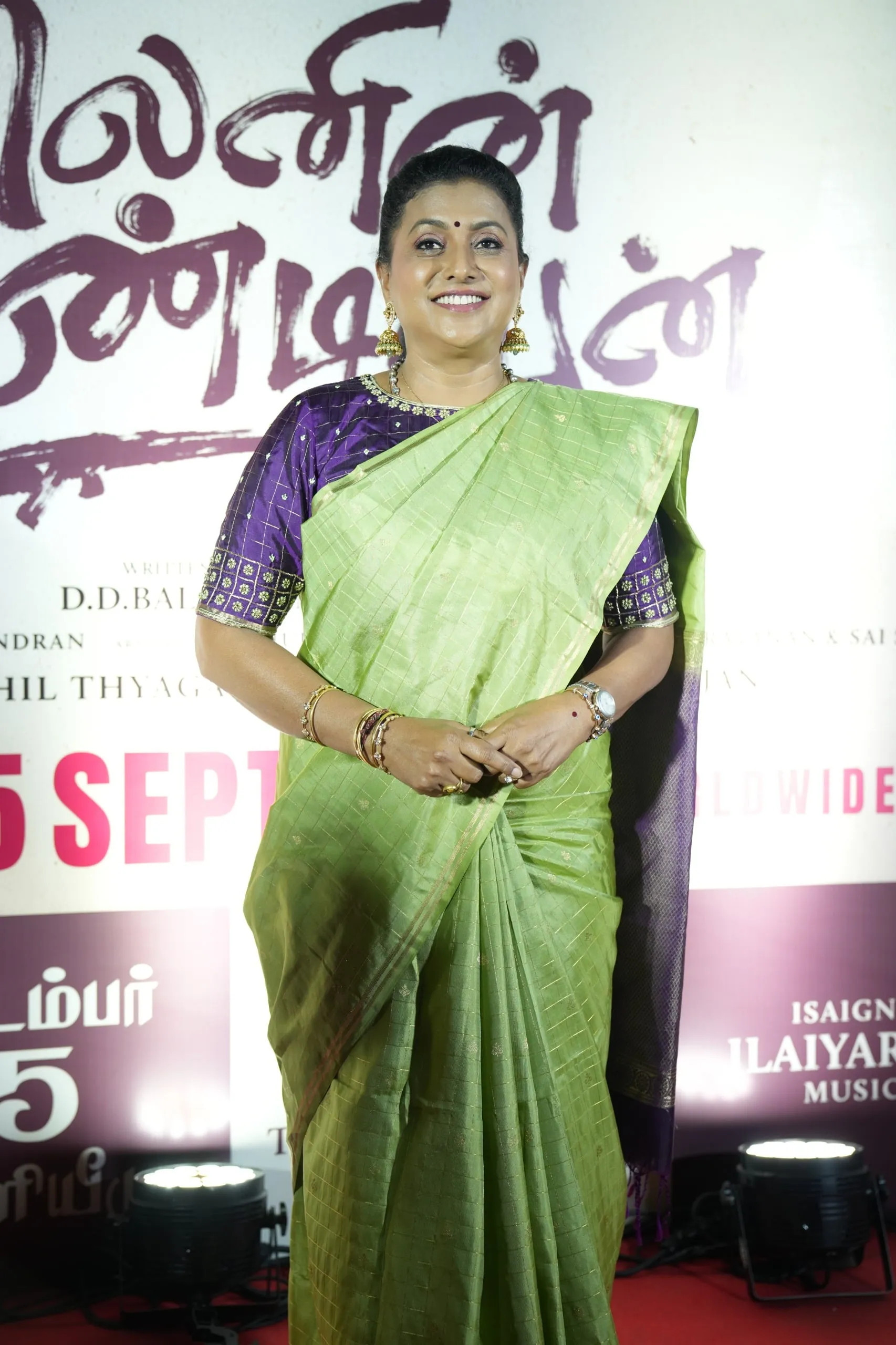
Roja praised Dhaarshan’s willingness to listen and react to his fellow actors, eat with the unit and remain alongside them in the heat. The shoot, she said, had brought back the feeling of a film unit functioning as a family. She hoped the film would give its newcomers a strong start.
Gangai Amaran’s performance prompted some of the liveliest remarks. Venkat Prabhu admitted that his father had surprised him. “Usually, he overacts a little. But in this film, he is very natural,” he said, crediting Balachandran with drawing out a performance in which the character eventually took over from the familiar person.
Venkat Prabhu described the film as based on a real incident. He said he had suggested a few changes for cinematic effect, but Balachandran had been clear about staying close to what happened. That refusal to soften his approach was part of what made the film affecting for him. He also praised the small reactions in Dhaarshan’s performance and the different side of Roja that the director had brought out.
P Vasu was similarly struck by seeing the usually cheerful Gangai Amaran in an angry, intense role. He recalled Amaran helping create opportunities for other filmmakers and writing lyrics as Ilaiyaraaja worked on a tune. For Amaran himself, the pleasure was in getting another kind of opportunity after directing Kozhi Koovuthu and spending years as a composer and filmmaker.
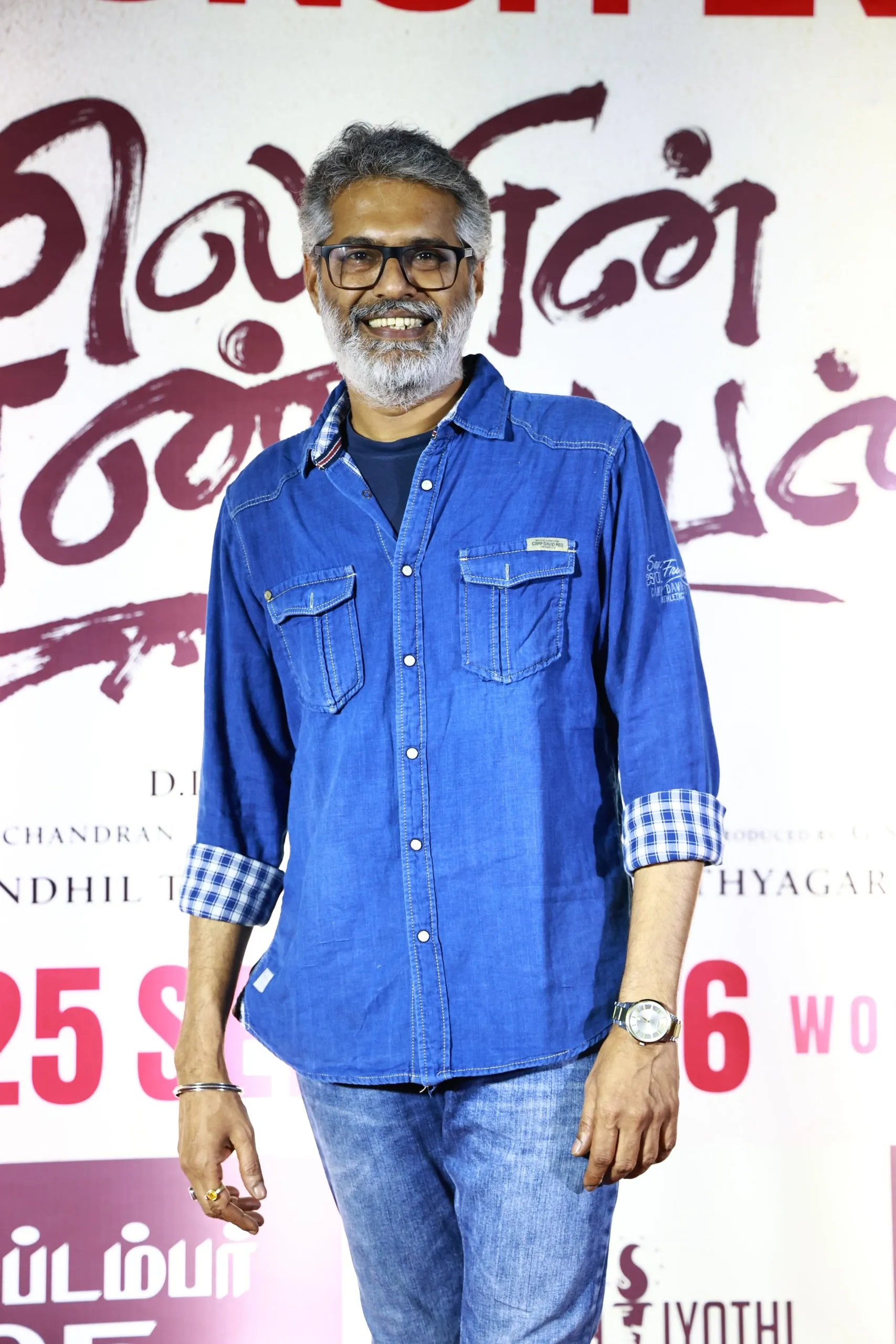
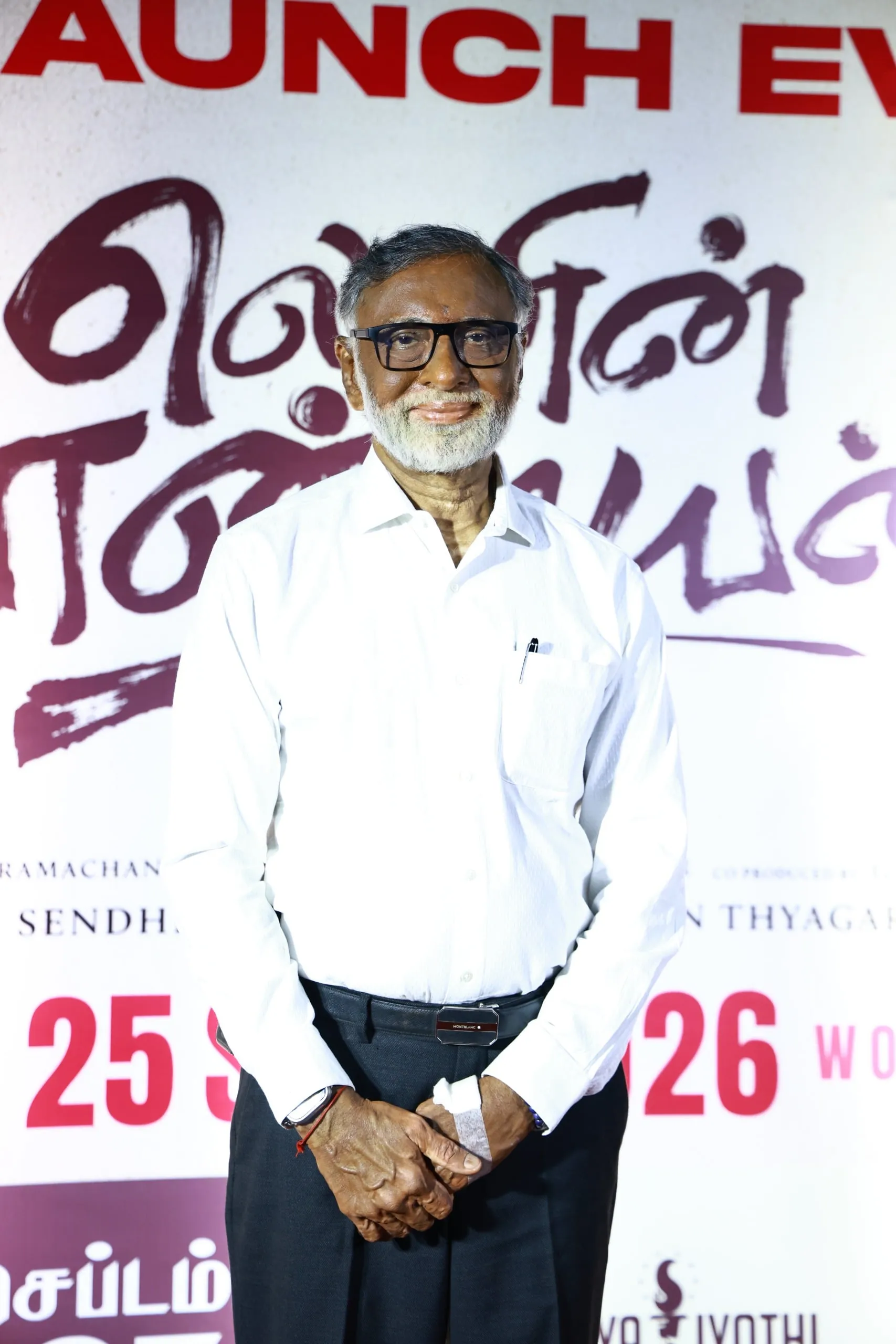
TG Thyagarajan said the film’s unusual story had drawn the production to it. He also spoke about learning punctuality and commitment from Sivaji and Ilaiyaraaja, whose recording sessions he had watched closely. Balachandran’s thanks were more personal: the Sathya Jyothi office was where he had heard the words that made his first film possible. “For everyone else, T Nagar is Thyagaraya Nagar. For me, it will always be Thyagarajan Nagar.”
Shrrita Rao said Balachandran’s dialogue had tested and sharpened her memory, while performing opposite Roja had been a learning experience. She also supplied a lighter memory of Gangai Amaran: after first seeing him in character, she was amused by his much younger appearance offscreen. He had joked about having no duet in this film and wanting one in the next.
Ramkumar, who said he had watched portions of the film, praised both young leads and urged them to keep working at their performances. Producers Dhananjayan, Amma Siva and Sujatha Vijayakumar, along with filmmakers and fellow actors, also wished the team well.
Produced by Senthil Thyagarajan and Arjun Thyagarajan, with cinematography by Edwin Sakay and editing by Nagooran Ramachandran, Lenin Pandiyan opens in theatres on September 25.
More onLenin Pandiyan,Dhaarshan Ganesan,Ilaiyaraaja,Gangai Amaran